
- 1. Introduction
- 1.1 Background and context
- 1.2 Problem statement
- 1.3 Research Rationale
- 1.4 Research Aims and Objectives
- 1.5 Research Questions
- 1.6 Methodological Approach Overview
- 2. Literature Review
- 2.1 Overview of Medication Administration Errors (MAEs)
- 2.2 Causes and Risk Factors of MAEs in Hospital Wards
- 2.3 Types of Nursing Interventions
- 2.4 The Role of Nurse Training and Competency
- 2.5 Organisational and Systems-Level Influences
- 2.6 Effectiveness and Challenges of Implemented Interventions
- 2.7 Gaps in the Existing Literature
- 3. Research Methodology
- 3.1 Research design
- 3.2 Data collection and Data Sources
- 3.3 Data analysis strategy
- 3.4 Ethical Considerations
- 3.5 Rigour and Trustworthiness
- 3.6 Limitations of Methodologies
- 4. Anticipated Findings and Contribution to Knowledge
- 5. Research Significance and Implications
- 6. Limitations
- 7. Project Timeline
1. Introduction
At Native Assignment Help, students can explore nursing assignment samples to understand research methodologies, literature reviews and evidence-based approaches to patient safety. Our Assignment Helper UK service provides subject-specific academic guidance to help students develop their research skills and understand complex nursing topics. This sample demonstrates how to structure a research proposal examining medication administration errors and strategies for improving patient safety in hospitals.
1.1 Background and context
Medication administration is a crucial task for nurses in the hospital setting, but it is also one of the most error-prone activities in clinical practice (Hawkins & Morse, 2022). Medication administration errors (MAEs) are defined as any event that is avoidable and can result in the inappropriate use of medications or patient harm. Such mistakes may occur at any phase, including prescribing, transcribing, dispensing, and administering. Nevertheless, studies have repeatedly indicated that a considerable percentage, ranging from 3.8% to 15%, has been attributed to MAEs occurring at the administration stage, which nurses have a direct contribution to (Nukpezah, Anyaba, and Osman, 2024).
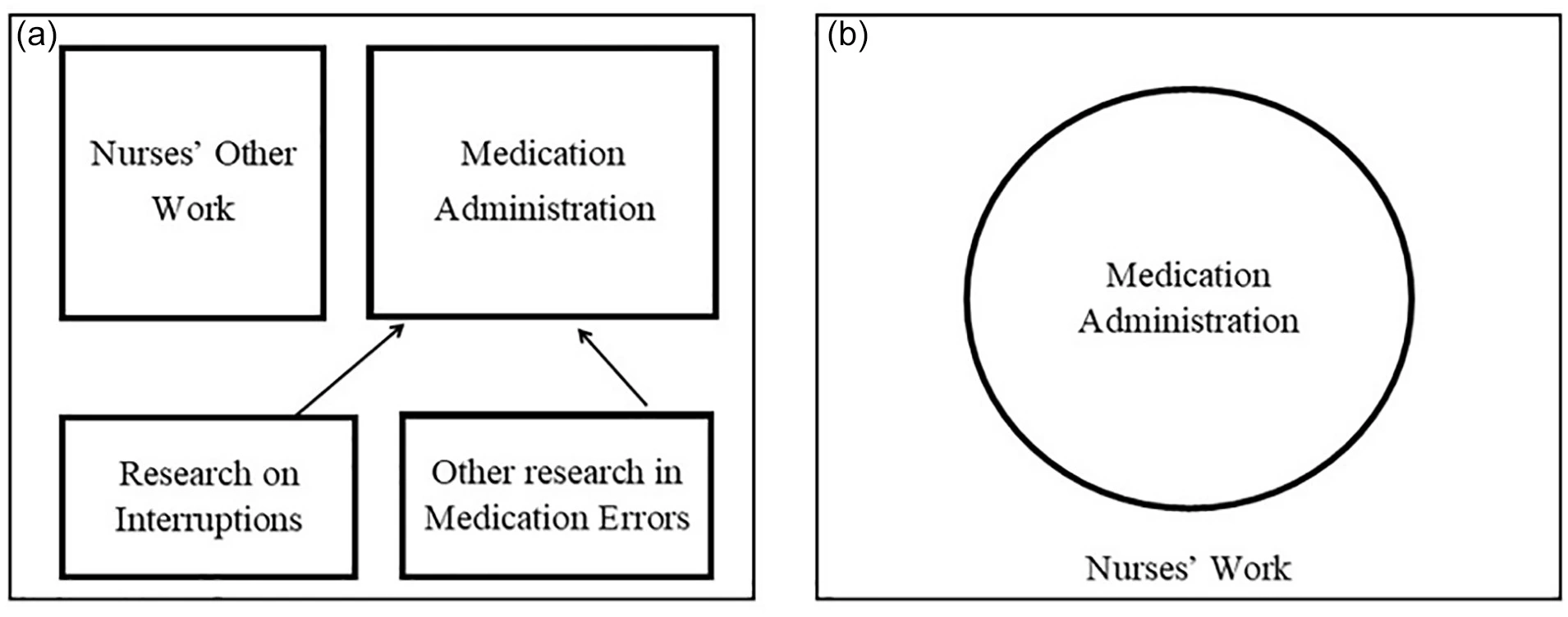
Figure 1: Medication Administration Framework
Hospital wards, particularly those affected by high patient volumes, time constraints, and staffing shortages, are settings where mistakes are more likely to occur. The most common error types include administering an incorrect drug or dose, omitting doses, administering medicine at the wrong time, or administering medicine to the wrong patient (Tariq et al., 2024). Besides undermining the safety of a patient, such mistakes also promote lengthy hospital stays, re-admission of a patient and even death in extreme scenarios.
1.2 Problem statement
Medication errors result in significant healthcare costs worldwide. In Australia, the economic cost of medication errors has been estimated to be higher than USD 40 billion per year in high-income countries. These numbers entail direct costs of treatments, prolonged hospitalisations, and malpractice suits (Tariq et al., 2024). The extent and impact of MAEs are likely underreported in low- and middle-income countries, where systemic problems and resource constraints are more severe. Nurses are the last line of defence that a medication gets into the hands of a patient in the clinical setting. Attentiveness, judgment, and adherence to protocol are essential aspects of safe medication administration (Mulac, Hagesaether and Granas, 2021). Nevertheless, studies have shown that almost one in every five patients admitted to the hospital develops at least one medication error during their stay, with nurses being the ones most likely to identify or contribute to the error, often due to system-related and case-specific factors.
1.3 Research Rationale
The rates of MAEs in most health facilities remain high, despite several interventions introduced over the last decade (Härkänen et al., 2019). Because specific strategies are effective in some areas but not in others, this needs to be determined. Secondary qualitative research provides a good way of understanding this complexity, as it allows the themes and experiences gleaned from a multitude of studies to be synthesised. In this proposal, we will analyse how nursing interventions were modelled, developed, and evaluated in different hospital ward environments (Mulac, Hagesaether, and Granas, 2021). In addition, contextual factors such as the education of nurses, organisational support, and cultural tendencies to accept error reporting will influence the efficacy of these interventions.
1.4 Research Aims and Objectives
The purpose of this study was to conduct a secondary qualitative analysis of existing literature on nursing-led interventions aimed at reducing medication administration errors in hospitals.
The specific objectives are:
- To identify the common causes and categories of MAEs in hospital wards.
- To explore the range of nursing interventions used to mitigate MAEs.
- To examine the organisational and educational factors influencing the success of these interventions.
- To generate evidence-based recommendations for future nurse training and systems improvement.
1.5 Research Questions
The following qualitative research questions will guide the study:
- What are the most frequent and severe types of medication administration errors reported in hospital ward settings?
- What nursing-led interventions have been implemented to reduce these errors?
- How do nurses perceive the effectiveness and challenges of these interventions?
- In what ways do systems-level factors—such as hospital policy, staffing, and training—support or hinder the reduction of MAEs?
1.6 Methodological Approach Overview
The proposed study will employ a secondary qualitative approach, utilising thematic synthesis of the available literature on nursing interventions and MAEs. By adopting this approach, this study will be able to gather ideas presented in a large volume of published research and identify general trends that may not be apparent in individual studies (Härkänen et al., 2019). Human participants will not be involved in the new data collection; instead, the analysis will be based on peer-reviewed articles, professional reports, and healthcare guidelines that address qualitative experiences, perceptions, and outcomes.
2. Literature Review
2.1 Overview of Medication Administration Errors (MAEs)
Medication administration errors (MAEs) are one of the most significant and avoidable safety hazards in the current hospital treatment (Tsegaye et al., 2020). These mistakes arise when the administration step takes a wrong turn in a prescribed medication administration order, which is mainly carried out at the bedside of the patient by nurses. Medication errors may occur at various stages of the entire medication use continuum.
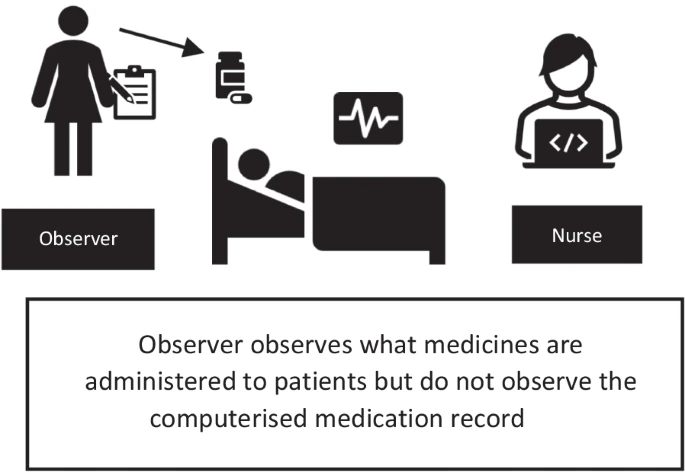
Figure 2.1: Medication scanner system to detect administrative error
Still, errors occurring during medication administration are one of the most common and clinically relevant, given that this is the stage in the medication use continuum at which no other safety mechanism is in place to protect the patient (Bell et al., 2023). The most common examples of MAEs include incorrect dosage, incorrect timing, administration through the wrong route, and patient identification errors (Tolley et al., 2022). Such mistakes can not only result in shortcomings of treatment, but also cause a profound side effect, allergic reaction, organ toxicity or even death.
The information contained in clinical audits and hospital safety databases indicates that MAEs occur in 5-10 per cent of all medication administrations in acute care (Kuppadakkath et al., 2023). Such a percentage is typically higher in emergency settings, such as emergency departments, surgical wards, and intensive care units, where treatment regimens are complex and require urgent attention. The impact of such mistakes is not only physical; they also lead to emotional suffering in patients, overwork among nurses, and increased mistrust in the healthcare system (Tolley et al., 2022). Additionally, MAEs place a significant financial burden on healthcare systems, resulting in prolonged hospital stays, repeated diagnostic tests, lawsuits, and the reporting of adverse events.
Despite the presence of medication safety standards, checklists, and technical instruments, MAEs have not become a thing of the past. Such perseverance suggests the existence of a complex interaction among human behaviour, the environmental troposphere, and the system's weak points (Maria et al., 2024). The nurses who have the predominant responsibility in the medication distribution processes, being the last line of defence, encounter the twin problem of performing precise medication procedures and withstanding the circumstances of rapidity and danger in high-risk clinical settings (Hanson and Haddad, 2023). In turn, to decrease MAEs, a complex strategy will be required that involves educating, utilising technology effectively, redesigning the environment, and fostering a culture of continuous improvement (Kuppadakkath et al., 2023). It is thus imperative to comprehend the underlying factors as well as intervention measures that can be employed to prevent MAE and promote patient safety in hospital wards.
2.2 Causes and Risk Factors of MAEs in Hospital Wards
Medication administration errors have been noted to occur more frequently in hospital wards due to a combination of individual, environmental, and organisational factors that compromise the safety of medication processes (Manias et al., 2021). Individually, misjudgements in the course of administration are caused mainly by nurse fatigue, limited pharmacological knowledge, poor time management, and unfamiliarity with new drugs. It is the newly appearing nurse, especially one just qualified, who has difficulties understanding complicated prescriptions or the recognition of drug interactions, thereby exposing oneself to the chance of committing dosage and route errors (Wondmieneh et al., 2020). Poor orientation programs and absence of mentorship during the initial clinical days serve to strengthen this vulnerability.
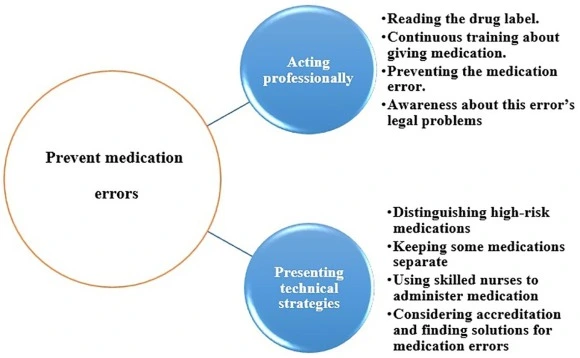
Figure 2.2: Common factors of medication error and their prevention
The context is really a core aspect of increasing the probability of errors. Poor nurse-to-patient ratios, interruptions in medication rounds, noisy work environments, and confusing medication labels create an environment that destroys concentration and focus (Schroers, Ross, and Moriarty, 2021). According to evidence presented through time-and-motion studies, it is also known that nurses frequently receive multiple interruptions during the preparation or administration of medications, which is directly proportional to an increased number of omission and commission errors (Salar, Kiani, and Rezaee, 2020). Furthermore, the physical organisation of the drug distribution, cluttered workstations, and poor uniformity in some wards, particularly in areas with inadequate lighting, may hinder efficacy and concentration in challenging situations.
Organisational issues, such as systematic failures in documentation and communication, are also involved in the occurrence of MAEs (Savva et al., 2022). The most common reports of incident investigations are a lack of standardisation of medication charts, handover discrepancies, and a shortage of clinical decision support tools. Nurses, in cases where policies are unclear or not enforced, may rely on outdated methods and procedures in emergencies. Near misses or errors can also be underreported due to time pressures and vagueness in aspects of reporting and learning, which may hinder prevention efforts (Chance, Florence, and Abdoul, 2024). Moreover, junior employees in hospitals, the existence of hierarchical power walls may deter them from asking questions when there is vagueness in an order or from lodging any complaints, thereby perpetuating the chain of silence and danger.
The synergy of these various causes leads to convoluted chains of errors, where structural weaknesses of the systems combine with the active mistakes of people working within them (Westbrook et al., 2020). This would require not just one-off solutions to unravel, but multi-pronged, well-planned, and integrated solutions that address the educational, procedural, and infrastructural levels of the process within the hospital nursing circle (Afaya, Konlan and Kim Do, 2021). An in-depth understanding of these risk factors will provide a basis for formulating effective nursing interventions that take into consideration the realities of hospital care.
2.3 Types of Nursing Interventions
The development of numerous nursing interventions is a result of attempts to reduce medication administration errors in hospital wards, as different sets of interventions target various facets of the medication process that are prone to mistakes (Braiki, Douville and Gagnon, 2024). Among the most commonly employed strategies, it is worth noting educational interventions aimed at enhancing the theoretical and practical skills of nurses in medication management. Other commonly integrated programs include structured in-service training, pharmacology updates, simulation experiences, and the use of case studies in learning (Afaya, Konlan, and Kim Do, 2021). In particular, simulation-based interventions provide low-risk, realistic settings in which nurses can learn the steps behind administering medications and making critical decisions, and are likely to perform better in practice.
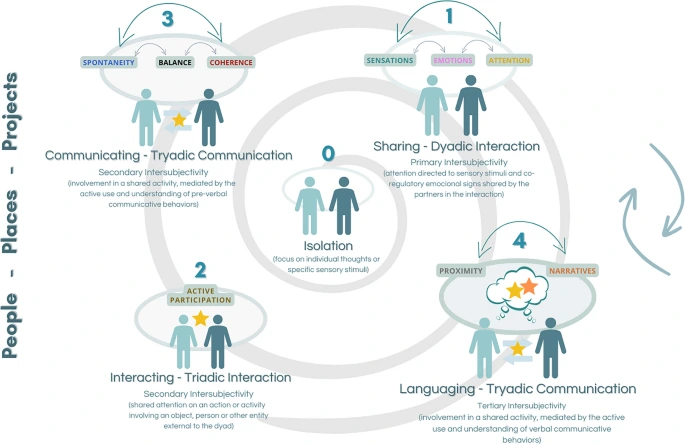
Figure 2.3: Communication intervention to reduce MAEs
Better communication training has also been effective in minimizing the MAEs by creating clarity and uniformity in information transfer (Dias, Mineiro, and Damen, 2024). The transfer of crucial medication information is facilitated during handover by using structured tools such as SBAR (Situation-Background-Assessment-Recommendation) to ensure the timely communication of key medication information across shifts (Koyama et al., 2020). Other preventive measures include read-back protocols and interdisciplinary briefings, which in turn allow a common appreciation of the treatment plan, thereby averting potential miscommunication. With standardized and collaborative communication, nurses may be able to ask more questions, raise clarifications, and correct errors before actually giving the drug to the patient.
A third important category is technological interventions. The number of medication administration errors in institutions, such as hospitals, have been substantially reduced where eMAR, BCMA, and automated dispensing units are implemented (Mulac et al., 2021). These tools not only protect against possible errors; they standardise the process of verification by automating it and notifying a user about the discrepancies. Nevertheless, they require significant activities from nurses, proper training, and institutional backing; without these, they are not effective (Owens et al., 2020). In the absence of a practical orientation coupled with troubleshooting ability, such systems may be improperly utilised, sidestepped or completely shortcut, defeating their objectives.
Checking high-risk medications twice and applying checklists to a greater extent represent procedural interventions aimed at instilling sound safety habits in nurses and reducing the reliance on memory (Regina et al., 2020). The workflow changes and sufficient staffing levels are part of the strategies that are not possible without organisational commitment. And, finally, safety-culture-building interventions, such as anonymous error reporting systems, team debriefings, and non-punitive feedback, have also been shown to be of value (Savva et al., 2022). In a favourable work climate, nurses will be more encouraged to report near misses and propose improvements, which leads to a learning process and the development of a safety culture. On the one hand, every intervention proved to be quite effective in particular settings (Owens et al., 2020). On the other hand, their outcomes depend heavily on how they are incorporated into the network of care.
2.4 The Role of Nurse Training and Competency
Competency development training and the development of nursing competencies occupy a pivotal role in reducing medication administration errors within hospital wards (Park and Han, 2022). Nursing professionals administer the interpretations of the charts of the medication, compute the proper dosages, select suitable paths, and provide prompt medication delivery. Prescribing drugs and maintaining patients are among the complex duties that require more than basic knowledge of pharmacology but involve critical analysis, focus, and trust in clinical judgment (Ghezaywi et al., 2024). In most of these errors, one can point out inadequacy in expertise, a misunderstanding of the instructions, or unfamiliarity with a particular drug, which can be eliminated with an appropriately organised training program.
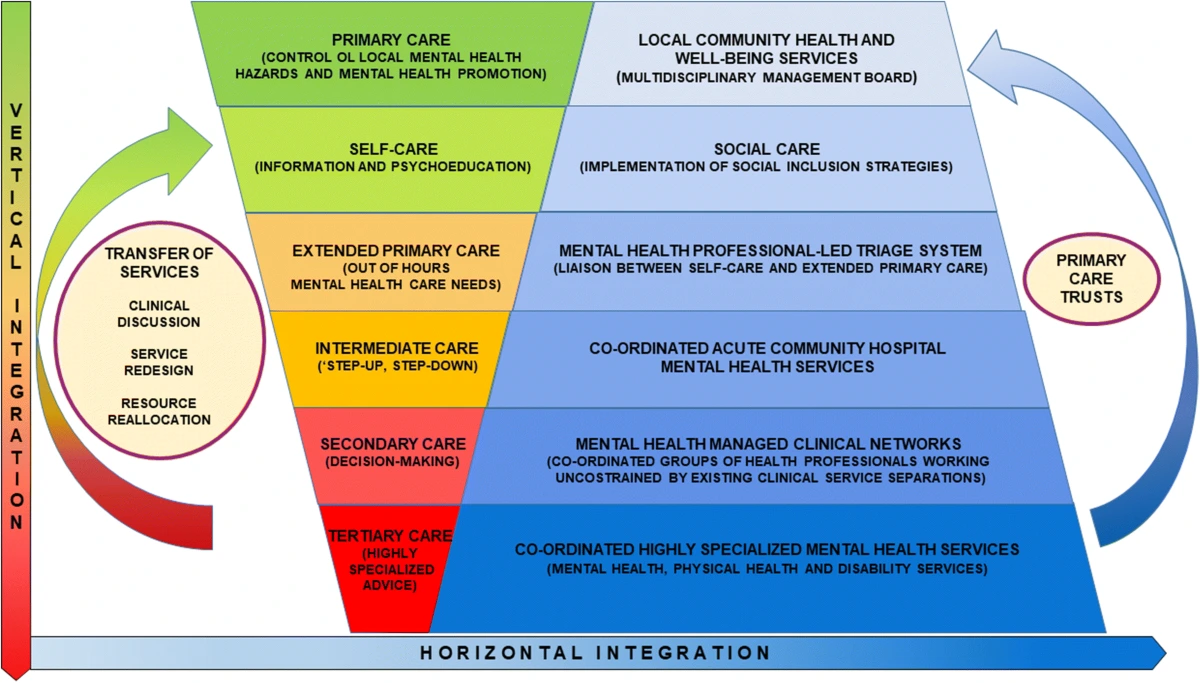
Figure 2.4: Pre-service education framework and intervention strategies
Pre-service education, by itself, does not always equip nurses with the necessary measures to cope with the intensity and complexity of the hospital setting (Flaubert et al., 2021). Thus, in-service training, induction of newly hired employees, and ongoing professional training are necessary to guarantee clinical competency. Hospitals where structured orientation is performed among new nurses report a significant decrease in early-career medication errors (Colizzi, Lasalvia and Ruggeri, 2020). These programs typically involve protocol familiarisation, shadowing experienced personnel, and supervised medication rounds, among which the former enhances the internalisation of best practices by nurses from the outset. Simulator-based education has become increasingly popular in recent years as a training technique to reinforce the principles of medication safety.
In contrast to traditional classroom-based learning, simulation allows nurses to be involved in realistic and time-sensitive situations, where they are forced to make decisions regarding the use of medications in a high-stress environment. This practical skill-building enhances skills both inside and outside of technical precision, including communication and prioritisation (Flaubert et al., 2021). Hospital studies have shown that participation in modules based on simulations confers nurses increased confidence and a higher level of detection of medication errors after training.
The other important input in ensuring safe medication practice is the competency assessment. When such assessments are incorporated into yearly certification measures or are part of regular performance evaluation, it can keep nurses up to date with changes in protocol, medication, or technology, as well as ensure that they maintain the basics (Aziz, 2023). Additionally, learning through incidents, the inculcation of accountability, and the establishment of a culture of constant change can be achieved through peer review and reflective practice sessions (Saville et al., 2019). There are some difficulties related to implementing effective training systems, despite the mentioned advantages. A lack of time to devote to training, as well as the inability to access revised materials, can compromise the quality and consistency of training (Kurtzman et al., 2022). Thus, organisational policies supporting time, funds, and management efforts towards continuous learning must be in place to make nurse training effective.
2.5 Organisational and Systems-Level Influences
Organisational structures and systems are also critical factors in determining whether medication administration errors occur, in addition to individual skills and knowledge. Policies adopted by the hospital, leadership dedication, staffing patterns, and safety culture are the factors that influence the environment in which nurses work. It means that an adequately developed system will assist nurses in their work without any health-related risks, while poorly developed flows and low-quality leadership usually increase the chances of mistakes, even among professionally trained personnel.
Some of the most frequent organisational determinants of medication safety include staffing levels and the distribution of workload. The issue of high patient-to-nurse ratios, particularly during peak or nighttime hours, has long been linked to a high rate of errors (Zajac et al., 2021). When under time pressure, nurses are likely to miss verifications or administer medication without sufficient documentation. Moreover, role ambiguity, as well as the frequent switching and interruption of tasks in understaffed wards, may result in poor focus and an increase in cognitive load, thus causing loss of attention or misjudgment (Sovold et al., 2021). Medication safety outcomes are also crucial to define through leadership and management activities. More talkative, responsive and giving feedback nurse managers, who support team learning, bring a safer working environment. On the contrary, a rigid organisational structure that prevents near misses or error reporting may also promote a culture of silence, in which mistakes remain concealed rather than being reported (Ziemek et al., 2024). The overall significance of non-punitive incident reporting systems, as well as frequent reviews and evaluation of such reports to focus on quality improvement, is that hospital facilities which utilise such systems will demonstrate that they have higher rates of compliance with safety measures and lower levels of medication mistakes.
A pivotal role is also played by technology and systems integration in preventing errors. Most hospitals which have adopted an electronic prescribing system, barcode verification, and automated dispensing machines tend to report increased adherence to accuracy when it comes to medication (Beard, 2017). However, the usefulness of such systems is determined by its usability and relevance to the work process. Frustrations can arise due to a poorly designed interface, lack of user, or system downtimes that may prompt workarounds that create an opportunity to regain the chances of making mistakes.
Moreover, interdisciplinary collaboration, particularly among pharmacists, physicians, and nurses, has proven effective when organisations support it, as it improves the process of medication reconciliation and minimises discrepancies (Ravi et al., 2022). Hospitals that focus more on interdisciplinary rounding and team decision-making establish a system of safeguards, with the help of which shared responsibility and early action can occur amid ambiguity.
2.6 Effectiveness and Challenges of Implemented Interventions
Prescription errors, medication administration errors, and even though several of these have proven to have a measurable utility, the usefulness of each is context-dependent (Latimer et al., 2022). Error rates are reduced with protocols that include double checks, structured communication methods, and electronic medication systems. Nonetheless, it depends on various factors like the engagement of the staff, the properness of the training, as well as how an institution supports change to determine the degree of success.
The most effective access to the double-check systems on high-risk medications, as evaluated, is that they are especially good at detecting dose or route errors (Dilles et al., 2021). These systems are based on the cooperation of nurses and a sense of responsibility. Nevertheless, in stressful situations, such checks may be hasty or omitted altogether because of the onset of work pressure. The mottled compliance defeats the possible effective impact of potentially high reliability of the safety measure (Abubakar et al., 2025). Other technological solutions related to the use and development of safety (barcode scanning, eMAR) have also added the contributions to safety through automation of checks and minimisation of transcription errors. In institutions in which these systems are properly incorporated and complemented with a strong IT infrastructure, it is documented that several incidences involving drugs have been recorded noticeably reduced (Varnosfaderani and Forouzanfar, 2024). However, some of the issues are the resistance to use the system by the users, the inability to interact with other hospital systems and the cases of the errors in the system that may slow down the delivery of medication. To make their work less time-consuming, nurses sometimes come up with workarounds, such as scanning obsolete barcodes, which can endanger patient safety.
Even though educational-based and training-based interventions constitute the backbone of enhancement of nurse competency, there are limitations associated with sustainability and relevance (Isravel et al., 2023). The long-term impact may be decreased by training fatigue, poor follow-up, and the perception that sessions are not or do not directly relate to what is observed on the real wards. Educational interventions should be ongoing, responsive and based on prescribed needs and feedback of staff to be effective (Varnosfaderani and Forouzanfar, 2024). Institutional culture is a significant determinant of whether an individual is accepted or rejected. Interventions will be more successful when staff are empowered to challenge existing practices and propose improvements. In its turn, passive resistance or suchlike fake compliance can face an alteration attempt in a stiff or even punishment-dominated setting.
2.7 Gaps in the Existing Literature
Although the range of studies examining medication administration mistakes and the outcomes of nursing interventions is growing, it remains fragmented, leaving significant gaps in the existing literature. A large proportion of the existing evidence that can be expressed is quantitative, primarily focusing on error rates, error types, and statistical assessments of selected interventions (Varnosfaderani and Forouzanfar, 2024). Even though this data is of great use in delivering insights into the magnitude or prevalence of medication errors, it tends to neglect the contextual, behavioural, and experiential elements that contribute to nursing practice within hospital wards. Consequently, there are not many ways to comprehend the perceptions, experiences, and reactions of nurses to medication safety efforts in their regular clinical practices.
Another notable aspect is the scarcity of secondary qualitative syntheses that can be used to draw conclusions based on the results of multiple qualitative studies. Although primary qualitative studies of individual nurses experience or case studies in single hospitals have been carried, this is the first study to have tried to systematically review and interpret the findings on wider health care spheres (Colizzi, Lasalvia and Ruggeri, 2020). This has culminated in an underrepresentation of collective knowledge on what facilitates or hinders successful implementation of safety interventions from the frontline nurse perspective. In the absence of such synthesis, it would be impossible to learn from successful practices or to understand the causes of implementation failure at a deep, fundamental level.
3. Research Methodology
3.1 Research design
The proposed research will employ a secondary qualitative research design, which entails the synthesis and interpretation of existing qualitative research and findings from previously published literature. No new empirical data will be implemented by conducting research with human participants, however, a thematic exploration of the existing empirical evidence on nursing interventions regarding medication administration safety will be used. Such an approach is especially suitable when the goal is to create a comprehensive understanding of an existing phenomenon based on a comprehensive review of findings from multiple studies.
Secondary qualitative research gives an advantage of reviewing the various perspectives, professional experience and healthcare facility. Using the thematic synthesis, this method enables the research to overcome the barricade of the individual data by establishing cross-cutting themes, the situational effects, and the barriers or facilitators of implementation. It can be especially suitable to investigate social, behavioural, and systemic elements of clinical activities, including those of the phenomenon of the safety of medicines in nursing.
3.2 Data collection and Data Sources
The study will be conducted on the basis of a systematised analysis of published peer-reviewed journal articles, professional healthcare reports, policy guidelines, and a review of academic theses submitted within the qualitative framework that describes medication administration errors and the actions of nurses in this regard. The information will be obtained using the well-established electronic database, such as academic indexing services carrying out nursing, healthcare, and safety research. These can be foreign, domestic and field sources.
The studies to be included will use the following criteria: the relevance to research goals, quality of qualitative data provided, and the clarity of methodology. All the studies should be the ones in which qualitative results were reported explicitly, e.g. interviews, focus groups or observations of nurses. Research should be conducted in the hospital setting and the object should be medication administration practices, interventions or nursing experiences. Purely quantitative articles, editorials, opinions and articles published which cannot be accessed through full-text or which are not in the English language will be excluded. There will be transparency and rigour as we will proceed with a formal screening process. The abstracts and full texts will be read separately to evaluate their appropriateness, and a table with certain structure will be formed to keep data on the source, main findings, study setting and data quality indicators.
3.3 Data analysis strategy
Thematic analysis is a qualitative approach that aids in analysing the data from the selected literature, as it is suitable for identifying, analysing, and reporting on patterns contained within the data. This will be done using a known multi-phase procedure, including familiarising data, initial coding, generation of themes, review and coding of themes, defining and naming themes and drawing of the themes together.
Textual data as a form of results, discussion sections, and quotations mentioned in the literature examples will be considered as the main analysis unit. Each of the studies will be managed as individual source data, and data will be classified based on repetitive concepts, behaviours, contextual intelligence, or intervention results regarding the administration of medications. They will then be classified into candidate themes that represent the higher-level categories, including training impact, communication practices, system barriers, and nurse perceptions.
A reflexive and iterative process will take place during the analysis; this means that themes will not be forced onto the data, but instead will be identified through careful interpretation of the materials. Settings, populations as well as types of interventions, will be compared on the patterns to rate neck convergence and data divergence.
3.4 Ethical Considerations
Since it is a secondary analysis of publicly released, non-identifiable information, no ethical approval will be needed. No direct human touch would be involved in the research and all the material that has been used would be cited accordingly to acknowledge their authors. The context and original interpretation of authors of articles will also be upheld to prevent misrepresentation of findings.
Respecting ethical principles of secondary research will ensure the integrity of the review: the chosen and processed information is open to the reader and the limitations of the sources are disclosed, and in the synthesis, the principle of academic honesty prevails.
3.5 Rigour and Trustworthiness
To guarantee rigour of the analysis, the study will be developed along recommended qualitative research criteria of trustworthiness: credibility, dependability, confirmability, and transferability (Mehdi Riazi, Rezvani and Hessameddin Ghanbar, 2023). The credibility shall be strengthened by the use of peer-reviewed and methodologically acceptable studies. Dependability will be achieved through systematic records of coding determinants, inclusion regulations, and analytical activities. Confirmability will be ensured through preservation of a transparent audit trail of data source, theme development and rationality of interpretation. The aspect of transferability will be addressed by explaining the context and context setting of the origin studies and how the results could be used in the same hospital ward contexts.
3.6 Limitations of Methodologies
Although secondary qualitative research is broad and deep, providing analysis in several contexts, it has its limitations (Cheong et al., 2023). The research design has its limitations in terms of quality and coverage of primary data, which will restrict the study. In other instances, it can find missing contextual information or a description of how the information was obtained, and this hinders the accuracy of the interpretation (Cheong et al., 2023). Moreover, since the researcher cannot control the original data collection, their research may not have consistency in defining or reporting medication errors and interventions across various studies.
The other aspect that is limited is the publication bias, which in the case of a study not having a definite negative or conclusive outcome is lowly represented. Additionally, the lack of non-English and peer-reviewed sources may reduce the thoroughness of the synthesis process, particularly in terms of gaining experience in low-resource settings (Colizzi, Lasalvia and Ruggeri, 2020). Nevertheless, the selected research methodology is suitable for the research purposes, despite these restrictions. Through a precise source selection process, analytical clarity, and thematic convergence, the research will provide valuable insights into the context of nursing practitioners' knowledge and understanding of patients' safety efforts provided by hospitals.
4. Anticipated Findings and Contribution to Knowledge
Considering the scope of the study, which aims to synthesise the available qualitative literature, the study findings that may be expected are the recurrent themes that will reflect the nuances of nursing interventions, the multifactorial nature of medication administration errors, and the nursing experience in various hospital settings. The crucial impact of nurse education and continuous professional development is one of the expected themes (Mlambo, Silén and McGrath, 2021). A consistent finding of studies is to point out holes in knowledge, especially among new graduates or rotating employees, as causative factors of MAEs. Simulation-based learning, structured orientation programs, and peer mentoring are some of the interventions that are likely to be effective in building competence and confidence in the subject of medication administration. The second expected outcome is the value of communication processes in the role of error prevention or support (Oldeweme et al., 2021). Miscommunication during handovers, unclear medication orders, and barriers to questions about prescribers decisions will become widespread contributors of MAEs. On the other hand, moderators such as the interventions enhancing rigid handovers, interdisciplinary cooperation, and assertiveness training of communication skills may be marked as protective measures.
Integration of technologies will likely become a common theme, specifically the adoption of electronic medication administration records, barcode scanning technology, and clinical decision support technology (Heikkinen, 2022). Although it is expected that such systems should also reduce documentation and transcription errors, there is also a probability that certain studies will report the presence of limitations, such as poor system usability, insufficient staff training, and technological workarounds that lead to the emergence of risks.
It is also anticipated that culture in the organisation and leadership will play a significant role. Hind Alsahli et al., (2024) further expected positive safety culture, which is described as non-punitive incident reporting, managerial support, and a focus on constant quality improvement to be linked to a greater success of interventions. Conversely, punitive or hierarchical wards are likely to report less staff engagement and adherence to medication conventions. Lastly, it is expected that the synthesis will reveal the variability of the effectiveness of an intervention in various hospital settings. Other issues like the specialisation of the ward, the acuity of the patient, the availability of resources and levels of staffing are likely to mediate the effectiveness of implementing and sustaining interventions.
Contribution to Knowledge
It is expected that the study will endeavour to contribute significantly to the world of academia and nursing practice, as well as make significant steps in advancing the field of nursing through a thematic synthesis of qualitative studies concerning the nursing interventions to decrease the occurrence of medication administration errors (Rasha Kadri Ibrahim and Aisha Namshan Aldawsari, 2023). Although there is an abundance of past studies examining this issue, many of them are quantitative or intervene-specific and only focus on the perspectives of frontline nurses; this study will provide a comprehensive overview of the subject by uniting the insights of frontline nurses with the analysis of the impact of contextual, cultural, and systemic forces to the results. Through pattern recognition in various hospital environments, the study will provide a deeper theoretical understanding of where and how medication safety is integrated or compromised within daily nursing practice (Albahri et al., 2023). It will also add to the knowledge of the social and behavioural characteristics of patient safety, such as making sense of and acting on complex medication systems under pressure by nurses.
Practically, the study will provide evidence-based recommendations that may guide nursing educators, clinical supervisors, and hospital administrators in designing more effective and sustainable interventions. Such suggestions will not only be supported by technical issues involved in medication delivery, but also relational and organisational issues that shape behaviour (Meskó and Topol, 2023). The results can also be utilised in informing the nursing policy, especially with regards to staff induction, ongoing professional development and patient safety accreditation.
5. Research Significance and Implications
This research is important since it has the potential to progress the theoretical and practical knowledge on the effects of nursing interventions on the safety of medication administration in hospital wards. Through a secondary qualitative analysis, the study aims to retrieve subtle messages of various empirical studies that have already been published with emphasis on the vast context of the experiencing nurses, system problems and intervention results in context (Cheong et al., 2023). It is hoped that the results will present a well-synthesised overview of the occurrence of frontline nurses in the interaction with safety procedures, the obstacles to them set in the context of organisations, and instant error-decreasing strategies.
The study is of specific significance with regard to the current initiatives aimed at enhancing patient safety and minimising harm that could be prevented within the healthcare systems across the globe. Administrative errors are still among the most common types of adverse events in hospitals (Kakemam et al., 2021). With nurses serving as the last line of defence against medication errors before the patient, the training quality, the workflow structure and the degree of support organisations provide them with are decisive factors to safe medication practice. This means that the findings of the present study will directly apply to individuals involved in nursing education, clinical governance, policy-making, and patient safety oversight. Among the prominent requirements that this research can have, the possibility to influence creation of practical evidence-based guidelines regarding nurse training programs and competency development should be mentioned (Dagne and Beshah, 2021). Summarising the salient points and problems as well as highlighting the best practices of literature, the research will facilitate more precise and efficient forms of professional development and clinical supervision. Moreover, it will give effective suggestions on how technology, including the usage of electronic medication systems and barcode verification, should be introduced into everyday nursing activities, so that it should refer to the limitations of the real world and maximise compliance.
On the organisational level, the study will provide information about the role of systemic factors that can facilitate or inhibit the implementation of nursing interventions, including the ward culture, leadership behaviour, staffing models, and reporting mechanisms (Busca et al., 2021). These understandings will assist the hospital administrators, quality improvement teams, and risk managers in organising more responsive and sustainable safety initiatives. Generally, the findings of the study have national and international safety implications for patients. The results of the research can be used for benchmarking requirements, assist in accreditation procedures, and help policymakers frame regulatory expectations for medication safety in a hospital setting (Busca et al., 2021). It can also underscore the necessity in investing in continuous nurse training, collaboration between various disciplines, and non-punitive environments of reporting.
6. Limitations
Although this research makes useful contributions based on a thematic synthesis of available qualitative studies, several limitations should be considered. The greatest inherent weakness of a secondary qualitative research design is that it will depend on already gathered and subjectively interpreted data (Lim, 2024). Since the researcher is not able to access the original transcripts of the research or the raw data, analysis cannot be as in-depth as the researcher would have expected, given the manner in which findings were presented in the original research. It can create a gap in the clarity of participant intentions or context-specificity, especially when the primary studies were not methodologically transparent (Rodriguez, 2021). Another weakness is the differences in the quality of the source materials. Not every published qualitative study is of equal rigour, and the incorporation of lesser studies, even when they are relevant to the research, can have an impact on the reliability of the thematic synthesis. Although efforts are made to ensure that only methodologically sound sources are included, subjectivity is always present in measuring the quality of qualitative research, and this aspect could bias the synthesis process.
The dataset may also be restricted in terms of language and access (Navigli, Conia and Ross, 2023). Only literature published in English will be used in the study, and it may lead to the omission of some valuable data in the study as the challenges to medication administration in non-English-speaking areas may vary because of cultural, regulatory or infrastructure reasons. Also excluded will be grey literature, unpublished works, and conference proceedings, which may exclude information already provided through the activities of practical but non-research studies not yet published. Another problem is that of publication bias. Neutral or negative qualitative studies will not get published as readily as positive ones, and the synthesis may not represent successful interventions compared to unsuccessful ones, and not all implementation challenges may be reported. It might result in excessive optimism of the effectiveness of intervention and prevent the even-handed examination of constraints in reality.
7. Project Timeline
|
Week |
Activity/Task |
|
Week 1 |
Finalise research questions, aim, and scope; confirm methodology structure |
|
Week 2 |
Conduct comprehensive database searches; gather relevant qualitative literature |
|
Week 3 |
Screen and select eligible studies based on inclusion and exclusion criteria |
|
Week 4 |
Begin thematic coding and preliminary analysis of selected studies |
|
Week 5 |
Continue thematic synthesis; cluster findings into emergent themes |
|
Week 6 |
Finalise data analysis; organise themes and subthemes with supporting evidence |
|
Week 7 |
Draft Section 1 (Introduction) and Section 2 (Literature Review) |
|
Week 8 |
Draft Section 3 (Methodology) and Section 4 (Research Questions and Objectives) |
|
Week 9 |
Draft Section 5 (Findings and Contribution), Section 6 (Significance and Limitations) |
|
Week 10 |
Draft Section 7 (Ethical Considerations) and Section 8 (Conclusion) |
|
Week 11 |
Review, edit, and integrate feedback; prepare tables and appendices |
|
Week 12 |
Final proofreading, formatting, and submission of complete research proposal |
References
Mehdi Riazi, Rezvani, R. and Hessameddin Ghanbar (2023). Trustworthiness in L2 writing research: A review and analysis of qualitative articles in the Journal of Second Language Writing. Research Methods in Applied Linguistics, 2(3), pp.100065–100065. doi:https://doi.org/10.1016/j.rmal.2023.100065.
Abubakar, Sheikh, M., Syed, Saud Mohammad Alsahali and Khan, S.F. (2025). Medication reconciliation: impact of an educational intervention on the knowledge, attitude and practices of healthcare professionals - a prospective quasi-experimental study in a Saudi referral hospital. Journal of Health Population and Nutrition, 44(1). doi:https://doi.org/10.1186/s41043-025-00751-3.
Afaya, A., Konlan, K.D. and Kim Do, H. (2021). Improving patient safety through identifying barriers to reporting medication administration errors among nurses: An integrative review. BMC Health Services Research, [online] 21(1), pp.1–10. doi:https://doi.org/10.1186/s12913-021-07187-5.
Albahri, A.S., Duhaim, A.M., Fadhel, M.A., Alnoor, A., Baqer, N.S., Alzubaidi, L., Albahri, O.S., Alamoodi, A.H., Bai, J., Salhi, A., Santamaría, J., Ouyang, C., Gupta, A., Gu, Y. and Deveci, M. (2023). A Systematic Review of Trustworthy and Explainable Artificial Intelligence in Healthcare: Assessment of Quality, Bias Risk, and Data Fusion. Information Fusion, 96(1), pp.156–191. doi:https://doi.org/10.1016/j.inffus.2023.03.008.
Aziz, A. (2023). The role of continuous education and training in improving hospital nurse performance: case study of employee development program implementation. Jurnal Aisyah : Jurnal Ilmu Kesehatan, [online] 8(3). doi:https://doi.org/10.30604/jika.v8i3.2072.
Beard, R.J. (2017). Electronic Prescribing and Robotic Dispensing: The Impact of Integrating Together on Practice and Professionalism. [online] www.intechopen.com. Available at: https://www.intechopen.com/chapters/56345 [Accessed 28 Jun. 2025].
Bell, T., Sprajcer, M., Flenady, T. and Sahay, A. (2023). Fatigue in nurses and medication administration errors: A scoping review. Journal of Clinical Nursing, [online] 32(17-18), pp.5445–5460. doi:https://doi.org/10.1111/jocn.16620.
Braiki, R., Douville, F. and Gagnon, M. (2024). Factors influencing the reporting of medication errors and near misses among nurses: A systematic mixed methods review. International Journal of Nursing Practice, 30(6). doi:https://doi.org/10.1111/ijn.13299.
Busca, E., Savatteri, A., Calafato, T.L., Mazzoleni, B., Barisone, M. and Dal Molin, A. (2021). Barriers and Facilitators to the Implementation of Nurse’s Role in Primary Care settings: an Integrative Review. BMC Nursing, [online] 20(1). doi:https://doi.org/10.1186/s12912-021-00696-y.
Chance, E.A., Florence, D. and Abdoul, I.S. (2024). The effectiveness of checklists and error reporting systems in enhancing patient safety and reducing medical errors in hospital settings-a narrative review. International Journal of Nursing Sciences, 11(3), pp.387–398. doi:https://doi.org/10.1016/j.ijnss.2024.06.003.
Cheong, H., Lyons, A., Houghton, R. and Majumdar, A. (2023). Secondary Qualitative Research Methodology Using Online Data within the Context of Social Sciences. International Journal of Qualitative Methods, [online] 22(1), pp.1–19. doi:https://doi.org/10.1177/16094069231180160.
Colizzi, M., Lasalvia, A. and Ruggeri, M. (2020). Prevention and early intervention in youth mental health: Is it time for a multidisciplinary and trans-diagnostic model for care? International Journal of Mental Health Systems, [online] 14(1), pp.1–14. doi:https://doi.org/10.1186/s13033-020-00356-9.
Dagne, A.H. and Beshah, M.H. (2021). Implementation of evidence-based practice: The experience of nurses and midwives. Plos One, [online] 16(8), pp.1–12. doi:https://doi.org/10.1371/journal.pone.0256600.
Dias, J.C., Mineiro, A. and Damen, S. (2024). A new intervention to prevent social isolation in people with complex communication needs. Scientific reports, 14(1). doi:https://doi.org/10.1038/s41598-024-63519-5.
Dilles, T., Heczkova, J., Tziaferi, S., Helgesen, A.K., Grøndahl, V.A., Van Rompaey, B., Sino, C.G. and Jordan, S. (2021). Nurses and Pharmaceutical Care: Interprofessional, Evidence-Based Working to Improve Patient Care and Outcomes. International Journal of Environmental Research and Public Health, [online] 18(11), p.5973. doi:https://doi.org/10.3390/ijerph18115973.
Flaubert, J.L., Menestrel, S.L., Williams, D.R. and Wakefield, M.K. (2021). Supporting the health and professional well-being of nurses. [online] www.ncbi.nlm.nih.gov. National Academies Press. Available at: https://www.ncbi.nlm.nih.gov/books/NBK573902/.
Ghezaywi, Z., Alali, H., Kazzaz, Y., Ling, C.M., Esabia, J., Murabi, I., Mncube, O., Menez, A., Alsmari, A. and Antar, M. (2024). Targeting zero medication administration errors in the pediatric intensive care unit: A Quality Improvement project. Intensive and Critical Care Nursing, [online] 81(1), p.103595. doi:https://doi.org/10.1016/j.iccn.2023.103595.
Hanson, A. and Haddad, L.M. (2023). Nursing Rights of Medication Administration. [online] PubMed. Available at: https://www.ncbi.nlm.nih.gov/books/NBK560654/.
Härkänen, M., Vehviläinen-Julkunen, K., Murrells, T., Rafferty, A.M. and Franklin, B.D. (2019). Medication administration errors and mortality: Incidents reported in England and Wales between 2007 ̶ 2016. Research in Social and Administrative Pharmacy, [online] 15(7), pp.858–863. doi:https://doi.org/10.1016/j.sapharm.2018.11.010.
Hawkins, S.F. and Morse, J.M. (2022). Untenable expectations: Nurses’ work in the context of medication administration, error, and the organization. Global Qualitative Nursing Research, [online] 9(2). doi:https://doi.org/10.1177/23333936221131779.
Heikkinen, I. (2022). Barcode Medication Administration and Patient Safety: A narrative literature review. [online] www.theseus.fi. Available at: https://www.theseus.fi/handle/10024/745259.
Hind Alsahli, Al-Wathinani, A., Tariq Althobaiti, Abahussain, M. and Krzysztof Goniewicz (2024). Shaping Safety: Unveiling the Dynamics of Incident Reporting and Safety Culture in Saudi Arabian Healthcare. Journal of Multidisciplinary Healthcare, Volume 17, pp.3775–3789. doi:https://doi.org/10.2147/jmdh.s458718.
Isravel, D.P., Sagayam, K.M., Bhushan, B., Sei, Y. and Eunice, J. (2023). Blockchain for Healthcare systems: Architecture, Security challenges, Trends and Future Directions. Journal of Network and Computer Applications, [online] 215, pp.103633–103633. doi:https://doi.org/10.1016/j.jnca.2023.103633.
Kakemam, E., Gharaee, H., Rajabi, M.R., Nadernejad, M., Khakdel, Z., Raeissi, P. and Kalhor, R. (2021). Nurses’ perception of patient safety culture and its relationship with adverse events: a national questionnaire survey in Iran. BMC Nursing, 20(1). doi:https://doi.org/10.1186/s12912-021-00571-w.
Koyama, A.K., Maddox, C.-S.S., Li, L., Bucknall, T. and Westbrook, J.I. (2020). Effectiveness of Double Checking to Reduce Medication Administration errors: a Systematic Review. BMJ Quality & Safety, [online] 29(7), pp.595–603. doi:https://doi.org/10.1136/bmjqs-2019-009552.
Kuppadakkath, S.C., Bhowmik, J., Olasoji, M. and Garvey, L. (2023). Nurses’ perspectives on medication errors and prevention strategies in residential aged care facilities through a national survey. International Journal of Older People Nursing, 18(6). doi:https://doi.org/10.1111/opn.12567.
Kurtzman, E.T., Ghazal, L.V., Girouard, S., Ma, C., Martin, B., McGee, B.T., Pogue, C.A., Riman, K.A., Root, M.C., Schlak, A.E., Smith, J.M., Stolldorf, D.P., Townley, J.N., Turi, E. and Germack, H. (2022). Nursing Workforce Challenges in the Postpandemic World. Journal of Nursing Regulation, [online] 13(2), pp.49–60. doi:https://doi.org/10.1016/s2155-8256(22)00061-8.
Latimer, S., Hewitt, J., de Wet, C., Teasdale, T. and Gillespie, B.M. (2022). Medication reconciliation at hospital discharge: A qualitative exploration of acute care nurses’ perceptions of their roles and responsibilities. Journal of Clinical Nursing (John Wiley & Sons, Inc.), [online] 32(7-8), pp.1276–1285. doi:https://doi.org/10.1111/jocn.16275.
Lim, W.M. (2024). What Is Qualitative research? an Overview and Guidelines. Australasian Marketing Journal (AMJ), [online] 33(2), pp.199–229. doi:https://doi.org/10.1177/14413582241264619.
Manias, E., Street, M., Lowe, G., Low, J.K., Gray, K. and Botti, M. (2021). Associations of person-related, environment-related and communication-related Factors on Medication Errors in Public and Private hospitals: a Retrospective Clinical Audit. BMC Health Services Research, [online] 21(1). doi:https://doi.org/10.1186/s12913-021-07033-8.
Maria, Sofia, Martins, F.G. and Ferraz, M.P. (2024). Tropospheric and Stratospheric Ozone: Scientific History and Shifts in Early Perspectives Regarding the Impact on Human Health. Atmosphere, [online] 15(12), pp.1504–1504. doi:https://doi.org/10.3390/atmos15121504.
Meskó, B. and Topol, E.J. (2023). The imperative for regulatory oversight of large language models (or generative AI) in healthcare. npj Digital Medicine, [online] 6(1), pp.1–6. doi:https://doi.org/10.1038/s41746-023-00873-0.
Mlambo, M., Silén, C. and McGrath, C. (2021). Lifelong Learning and Nurses’ Continuing Professional development, a Metasynthesis of the Literature. BMC Nursing, [online] 20(62), pp.1–13. doi:https://doi.org/10.1186/s12912-021-00579-2.
Mulac, A., Hagesaether, E. and Granas, A.G. (2021). Medication dose calculation errors and other numeracy mishaps in hospitals: Analysis of the nature and enablers of incident reports. Journal of Advanced Nursing, 78(1), pp.224–238. doi:https://doi.org/10.1111/jan.15072.
Mulac, A., Mathiesen, L., Taxis, K. and Granås, A.G. (2021). Barcode medication administration technology use in hospital practice: A mixed-methods observational study of policy deviations. British Medical Journal Quality & Safety, [online] 30(12), pp.1021–1030. doi:https://doi.org/10.1136/bmjqs-2021-013223.
Navigli, R., Conia, S. and Ross, B. (2023). Biases in Large Language Models: Origins, Inventory, and Discussion. Journal of Data and Information Quality, 15(2), pp.1–21. doi:https://doi.org/10.1145/3597307.
Nukpezah, R.N., Anyaba, N.A. and Osman, W. (2024). Investigating pediatric nurses’ perceptions of factors contributing to MAEs at Yendi hospital, Ghana. BMC Pediatrics, [online] 24(1). doi:https://doi.org/10.1186/s12887-024-05269-x.
Oldeweme, A., Märtins, J., Westmattelmann, D. and Schewe, G. (2021). The Role of Transparency, Trust, and Social Influence on Uncertainty Reduction in Times of Pandemics: Empirical Study on the Adoption of COVID-19 Tracing Apps. Journal of Medical Internet Research, [online] 23(2). doi:https://doi.org/10.2196/25893.
Owens, K., Palmore, M., Penoyer, D. and Viers, P. (2020). The effect of implementing bar-code medication administration in an emergency department on medication administration errors and nursing satisfaction. Journal of Emergency Nursing, [online] 46(6), pp.884–891. doi:https://doi.org/10.1016/j.jen.2020.07.004.
Park, J. and Han, A.Y. (2022). Medication safety education in nursing research: Text network analysis and topic modeling. Nurse Education Today, [online] 121, p.105674. doi:https://doi.org/10.1016/j.nedt.2022.105674.
Rasha Kadri Ibrahim and Aisha Namshan Aldawsari (2023). Relationship between digital capabilities and academic performance: the mediating effect of self-efficacy. BMC Nursing, 22(1). doi:https://doi.org/10.1186/s12912-023-01593-2.
Ravi, P., Pfaff, K., Ralph, J., Cruz, E., Bellaire, M. and Fontanin, G. (2022). Nurse-pharmacist collaborations for promoting medication safety among community-dwelling adults: A scoping review. International Journal of Nursing Studies Advances, [online] 4(4), p.100079. doi:https://doi.org/10.1016/j.ijnsa.2022.100079.
Regina, M.L., Vecchié, A., Bonaventura, A. and Prisco, D. (2020). Patient Safety in Internal Medicine. Textbook of Patient Safety and Clinical Risk Management, pp.213–252. doi:https://doi.org/10.1007/978-3-030-59403-9_17.
Rodriguez, L. (2021). An interdisciplinary approach to secondary qualitative data analysis: what, why and how. [online] www.elgaronline.com. Available at: https://www.elgaronline.com/edcollchap/edcoll/9781789904338/9781789904338.00015.xml.
Salar, A., Kiani, F. and Rezaee, N. (2020). Preventing the medication errors in hospitals: A qualitative study. International Journal of Africa Nursing Sciences, 13(1), pp.1–5. doi:https://doi.org/10.1016/j.ijans.2020.100235.
Saville, C.E., Griffiths, P., Ball, J.E. and Monks, T. (2019). How many nurses do we need? A review and discussion of operational research techniques applied to nurse staffing. International Journal of Nursing Studies, 97(1), pp.7–13. doi:https://doi.org/10.1016/j.ijnurstu.2019.04.015.
Savva, G., Papastavrou, E., Charalambous, A., Vryonides, S. and Merkouris, A. (2022). Exploring Nurses’ Perceptions of Medication Error Risk Factors: Findings From a Sequential Qualitative Study. Global Qualitative Nursing Research, [online] 9(9). doi:https://doi.org/10.1177/23333936221094857.
Schroers, G., Ross, J.G. and Moriarty, H. (2021). Nurses’ Perceived Causes of Medication Administration Errors: a Qualitative Systematic Review. The Joint Commission Journal on Quality and Patient Safety, [online] 47(1), pp.38–53. doi:https://doi.org/10.1016/j.jcjq.2020.09.010.
Sovold, L.E., Naslund, J.A., Kousoulis, A.A., Saxena, S., Qoronfleh, M.W., Grobler, C. and Münter, L. (2021). Prioritizing the Mental Health and well-being of Healthcare workers: an Urgent Global Public Health Priority. Frontiers in Public Health, [online] 9(1), pp.1–12. doi:https://doi.org/10.3389/fpubh.2021.679397.
Tariq, R., Scherbak, Y., Vashisht, R. and Sinha, A. (2024). Medication dispensing errors and prevention. [online] National Library of Medicine. Available at: https://www.ncbi.nlm.nih.gov/books/NBK519065/.
Tolley, C.L., Watson, N.W., Heed, A., Einbeck, J., Medows, S., Wood, L., Campbell, L. and Slight, S.P. (2022). The impact of a novel medication scanner on administration errors in the hospital setting: a before and after feasibility study. BMC Medical Informatics and Decision Making, 22(1). doi:https://doi.org/10.1186/s12911-022-01828-3.
Tsegaye, D., Alem, G., Tessema, Z. and Alebachew, W. (2020). Medication administration errors and associated factors among nurses. International Journal of General Medicine, [online] 13(13), pp.1621–1632. doi:https://doi.org/10.2147/ijgm.s289452.
Varnosfaderani, S.M. and Forouzanfar, M. (2024). The Role of AI in Hospitals and Clinics: Transforming Healthcare in the 21st Century. Bioengineering, [online] 11(4), pp.1–38. Available at: https://www.mdpi.com/2306-5354/11/4/337.
Westbrook, J.I., Sunderland, N.S., Woods, A., Raban, M.Z., Gates, P. and Li, L. (2020). Changes in medication administration error rates associated with the introduction of electronic medication systems in hospitals: a multisite controlled before and after study. BMJ Health & Care Informatics, 27(3), p.e100170. doi:https://doi.org/10.1136/bmjhci-2020-100170.
Wondmieneh, A., Alemu, W., Tadele, N. and Demis, A. (2020). Medication administration errors and contributing factors among nurses: A cross sectional study in tertiary hospitals, Addis Ababa, Ethiopia. BMC Nursing, [online] 19(4), pp.1–9. doi:https://doi.org/10.1186/s12912-020-0397-0.
Zajac, S., Woods, A., Tannenbaum, S., Salas, E. and Holladay, C.L. (2021). Overcoming challenges to teamwork in healthcare: A team effectiveness framework and evidence-based guidance. Frontiers in Communication, [online] 6(1), pp.1–20. doi:https://doi.org/10.3389/fcomm.2021.606445.
Ziemek, J., Hoge, N., Woodward, K.F., Doerfler, E., Bradywood, A., Pletcher, A., Flaxman, A.D. and Iribarren, S.J. (2024). Hospital personnel perspectives on factors influencing acute care patient outcomes: a qualitative approach to model refinement. BMC health services research, 24(1). doi:https://doi.org/10.1186/s12913-024-11271-x.
Go Through the Best and FREE Samples Written by Our Academic Experts!
Native Assignment Help. (2026). Retrieved from:
https://www.nativeassignmenthelp.co.uk/nursing-interventions-to-reduce-medication-errors-assignment-52477
Native Assignment Help, (2026),
https://www.nativeassignmenthelp.co.uk/nursing-interventions-to-reduce-medication-errors-assignment-52477
Native Assignment Help (2026) [Online]. Retrieved from:
https://www.nativeassignmenthelp.co.uk/nursing-interventions-to-reduce-medication-errors-assignment-52477
Native Assignment Help. (Native Assignment Help, 2026)
https://www.nativeassignmenthelp.co.uk/nursing-interventions-to-reduce-medication-errors-assignment-52477
- FreeDownload - 44 TimesOperation And Quality Management Issues In Zara Assignment Sample
Operation And Quality Management Issues In Zara Introduction - Operation...View or download
- FreeDownload - 40 TimesCommunity-Based Healthcare Initiatives Assignment Sample
Theories and Benefits of Community-Based Healthcare Initiatives Introduction...View or download
- FreeDownload - 40 TimesIntroduction to Psychology Assignment
Introduction to Psychology Assignment {{TEXT2}} Introduction to...View or download
- FreeDownload - 40 TimesBusiness Organisations Assignment Sample
Introduction: Business Organisations Assignment The term mixed economy means...View or download
- FreeDownload - 38 TimesACC3135 Accounting Theory Essay Sample
Introduction: ACC3135 Accounting Theory Essay Sample Accounting plays a...View or download
- FreeDownload - 42 TimesPrinciples of International Business Assignment
Principles of International Business 1. Introduction: Principles of...View or download
-
100% Confidential
Your personal details and order information are kept completely private with our strict confidentiality policy.
-
On-Time Delivery
Receive your assignment exactly within the promised deadline—no delays, ever.
-
Native British Writers
Get your work crafted by highly-skilled native UK writers with strong academic expertise.
-
A+ Quality Assignments
We deliver top-notch, well-researched, and perfectly structured assignments to help you secure the highest grades.