
- Chapter 1: Introduction
- 1.1 Background of the Study
- 1.2 Research Problem
- 1.3 Aim and Objectives
- 1.4 Research Questions
- 1.5 Significance of the Study
- 1.6 Scope and Limitations
- 1.7 Structure of the Dissertation
- Chapter 2: Literature Review
- 2.1 Overview of Construction Challenges
- 2.2 Challenges in Public Sector Projects
- 2.3 Theoretical Frameworks
- 2.4 Case Studies and Regional Insights
- 2.5 Summary of Key Themes
- 2.6 Gaps in the Literature
- 2.7 Link to Study
- Chapter 3: Methodology
- 3.1 Research Design and Philosophy
- 3.2 Data Collection Methods
- 3.3 Sampling Strategy
- 3.4 Data Analysis
- 3.5 Ethical Considerations
- 3.6 Methodological Limitations
Chapter 1: Introduction
This chapter presents the study background within Qatar’s development context and Qatar National Vision 2030, focusing on the role of major infrastructure projects and introducing the National Health Laboratory (NHL) case.
1.1 Background of the Study
Qatar has been a transformative story of investing strategically in infrastructure, education, healthcare, and technology (Ayenew et al., 2021). Following the discovery of natural gas and oil reserves, which significantly boosted the country’s economic prosperity, Qatar embarked on an ambitious development journey aimed at diversifying its economy and enhancing the livelihoods of its citizens and residents. This strategy has since been characterised by infrastructure development, especially in transportation, education, healthcare and research sectors. The efforts are closely aligned with the goals of Qatar National Vision 2030 (QNV2030), which aims to position Qatar on a path toward becoming a knowledge-based economy founded on the principles of sustainable development.
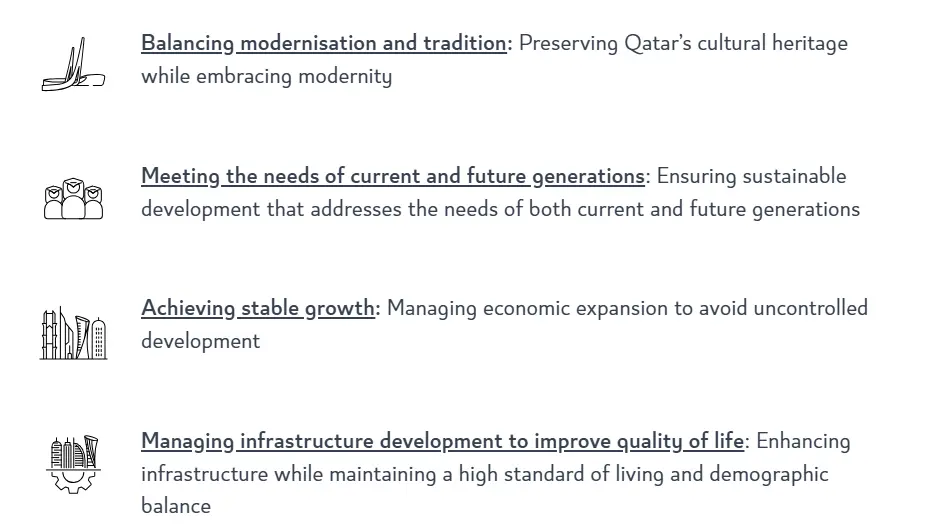
Figure 1.1: The Qatar National Vision 2030
In this context, Ashghal, as the Public Works Authority, is of great importance. Ashghal established in 2004, is responsible for planning, designing, constructing, and maintaining all the major public infrastructure, including the roads, drainage, public buildings, etc, in Qatar. Ashghal is a semi-autonomous government agency responsible for undertaking national projects on time, to high standards of quality, at an overall minimum cost (Formagini et al., 2025). ITS plays a key role in shaping Qatar’s urban landscape and meeting the country’s national development goals as it delivers vital facilities to the nation.
The National Health Laboratory (NHL) is a partnership-initiated project with the Ministry of Public Health, one of Ashghal’s notable projects (Sarmento et al., 2023). Naturally, the NHL was intended to be a state-of-the-art biomedical research and diagnostics centre to help Qatar fulfil its public health initiatives, supporting disease surveillance and a rapid response to emerging health threats. Its development was considered imperative for strengthening Qatar’s healthcare infrastructure, given current global challenges such as pandemics, chronic disease issues, and the need for sophisticated research facilities.
In addition to being a physical infrastructure development, the NHL project is also a strategic investment in improving the country’s health security and research excellence. By bringing together cutting-edge technologies and engaging health professionals, the NHL is directly aligned with the human development and economic diversification pillars of Qatar National Vision 2030 (Crowley, Mathew and Hilden, 2023). It helps to reinforce the country's growing and diverse population in a resilient system that is capable of supporting, and Qatar takes part as a foremost biomedical research leader within the Gulf region.
However, it was not an easy project to deliver, being so complex and technically challenging. These projects require the coordination of several stakeholders, access to specialised materials and labour, as well as adherence to the stringent international standards (CDC, 2024). For the NHL, Ashghal had to deal with the usual challenges of large-scale construction, and on top of these, the additional barriers of meeting technical specifications and the pressing need to expedite the building of national healthcare infrastructure.
1.2 Research Problem
The construction of such a technically sophisticated facility as healthcare laboratories often causes numerous irregularities, which can jeopardise the successful delivery of LSI projects. Ashghal’s investment in the development of Qatar National Health Laboratory (NHL) is significant, particularly given the challenges encountered during the project's construction (Government Communications Office, 2024). Project delays, resource shortages, coordination complexities, and the lack of alignment between the expectations of diverse stakeholders were some of the challenges faced. Therefore, it is necessary to understand the factors that have produced these obstacles, as the NHL plays a crucial role in the development of Qatar’s public health system.
Further, the problems encountered in public sector infrastructure projects in Qatar during rapid development times highlighted by the NHL project can be attributed to fast-paced development pressures, high quality expectations and the complex regulatory environment that they present (Davis et al., 2023). Despite the abundance of global literature on construction project management, little case-based research has been conducted on the public infrastructure sector in Qatar. However, most of these are characterised as general ones that look at challenges in general terms orare limited to the private part, and little understanding about how these challenges manifest in the public sector, especially specialised facilities like healthcare laboratories (Carney, 2023).
Additionally, Qatar’s specific socio-economic environment, characterised by high reliance on international labour and high dependence on imported materials, poses particular risks that may not be subject to broader global construction literature (Carney, 2023). Thus, it makes sense to carry out context-specific studies that can shed light on the issues that such organizations, such as Ashghal, are facing. An analysis of the NHL project through a focused case study allows for insights applicable to Qatar’s emerging construction landscape.
There is a need to bridge the knowledge gap on the challenges of construction in a significant public sector project by investigating this in detail. By studying the challenges through identifying and categorising them as well as understanding their effects on project performance, this study seeks to generate actionable recommendations for the management of future infrastructure projects (Wang et al., 2023). This will contribute to both academic literature and professional practice, as Ashghal and other stakeholders shall benefit from it by adopting the practices of improving project delivery mechanisms, minimising risks and attaining the high goals as set for Qatar's national Vision 2030.
1.3 Aim and Objectives
Aim:
To analyze the construction challenges faced by Ashghal during the completion of the National Health Laboratory in Qatar and to propose ways of circumventing these challenges in other public infrastructure projects in the future.
Objectives:
- To identify purposes and analyze key construction challenges faced by Ashghal in the project National Health Laboratory (NHL), including delays, resource constraints, and conflict among stakeholders.
- To examine the implications of these issues on the overall performance of a project with respect to excessive expending costs, deviations along timelines, and loss of operational efficiency.
- To determine the most crucial factors of the NHL project, affecting its completion on time and with success.
- To propose initiatives and best practices for overcoming identified challenges and improving future infrastructure project management in Qatar.
1.4 Research Questions
- What were the key construction challenges faced by Ashghal during the NHL project, particularly regarding delays, resource constraints, and stakeholder conflicts?
- How did these challenges impact project performance in terms of cost overruns, timeline deviations, and operational efficiency?
- What critical factors most influenced the timely and successful completion of the NHL project?
- What initiatives and best practices can be proposed to overcome such challenges in future public sector construction projects in Qatar?
1.5 Significance of the Study
The findings of this study have tremendous value to several stakeholders that are engaged in the construction and/or management of public infrastructure projects in Qatar. Amongst others, it helps Ashghal, the Public Works Authority to receive a detailed overview of the commonly encountered construction problems in the National Health Laboratory (NHL) project (Ashgal Qatar Government, 2024). The study informs Ashghal about the root causes of the above challenges, and their effect on project performance, which could help inform future project planning, risk mitigation strategies and management of stakeholders. Based on the lessons learned from the NHL project, the efficiency, cost effectiveness and quality benefit of future ventures by the public sector in infrastructure projects can be improved.
Also, project managers who are working on large and complex-scale projects in and out of Qatar can leverage this (Ashgal Qatar Government, 2024). These findings provide recommendations and practices that project managers can utilise in their project execution framework. Knowing about the peculiar continued construction environment in Qatar, which includes, among others, labour shortages, supply chain dependencies, and complication in coordination, project managers can foresee the hidden potential risks and hence develop more solid contingency plans (Hudon and Floricel, 2023).
From an academic perspective, this research is of value to the small body of case-based literature related to Qatar’s construction public sector projects. A wide-ranging global discussion of construction management problems does not necessarily imply that there are numerous detailed empirical studies in the Middle East, particularly in the field of healthcare infrastructure (Ebekozien, Aigbavboa and Ramotshela, 2023). The study fills this gap by enhancing academic knowledge regarding the operational, cultural, and logistical dimensions that influence construction projects in Qatar. Additionally, the study reinforces the country’s broader vision of having a resilient, efficient, and knowledge-driven infrastructure sector that caters to the Qatar National Vision 2030 (Mavi et al., 2021). These generated insights are helpful to policymakers, scholars, and practitioners in working collaboratively to attain Qatar’s long-term national development objectives.
1.6 Scope and Limitations
The research will examine the National Health Laboratory (NHL) project developed by Ashghal in Qatar with emphasis on construction phase. The study focuses on the obstacles arising during planning and execution of the construction activities as well as delays, resource management, stakeholder coordination and project delivery. Focusing on finding the factors which pertained to time, cost, and quality performance during the active building phase (Mavi et al., 2021). The design conceptualization phase or the operational phase after the project is completed, such as the facility commissioning or long term functionality assessment, is not considered as part of the research. Therefore, the issues beyond the scope of this study arise issues post construction such as maintenance difficulties or operational inefficiency.
The research process was also limited to certain extent. Organizational policies and time constraints prevented access to confidential project documents and interviews of some stakeholders (Ibrahim, Zayed and Lafhaj, 2024). Furthermore, the methods conducted are based on a case study approach and may restrict generalization of the findings to all public sector infrastructure projects in Qatar. However, the study contains important insights for projects of similar size, complexity, and importance of the nation.
1.7 Structure of the Dissertation
The six chapters make up this dissertation. The chapter 1 presents the research background, the problem statement, the aim, the objectives, the significance, the scope and structure. Chapter 2 includes a critical review of the literature pertaining to construction challenge and publication sector project management. Chapter 3 contains the description of the research methodology: data collection and analysis methods. The case study findings on the NHL project are presented in Chapter 4. The results from previous literature are discussed in chapter 5 and suggestions for key lessons and recommendations are derived from the findings. The dissertation closes in Chapter 6 with a summary of the key findings, discussion of limitations, and some suggestions for future research and practice.
Chapter 2: Literature Review
This chapter reviews existing literature on construction challenges in large-scale projects, focusing on delays, resource issues, stakeholder management, and project risks in public infrastructure development.
2.1 Overview of Construction Challenges
Large-scale public infrastructure requires a great deal of complexity, and poses many difficulties to such construction projects, which means that their success is always an issue (Moshood, Rotimi and Shahzad, 2024). On average, the major outcomes of these challenges, time, cost, quality, and stakeholder satisfaction, are delayed by many weeks. As construction is extremely dynamic and greatly complex, involving a large number of stakeholders, technical complexities, resource dependencies, and environmental uncertainties, the sector is especially susceptible to disruptions. Delayed project is one of the major challenges on the construction field. Reasons include poor planning, delays in approvals, design changes, unforeseen site conditions as well as poor management of procurement and supply chain (Kruk et al., 2018). Further delays also occur in large public sector projects where the need to coordinate a number of government agencies and yet abide by complicated regulatory requirements.
Additional challenges are resource constraints. Labour, material, equipment management is critical to the conduct of each and every construction project effectively (Kruk et al., 2018). With shorted of skilled labour, reliance on expatriate workers, material delivery delays and equipment failure, all these can extend timelines and enable increased project cost. Where these challenges are particularly pronounced, they can occur in areas where the workforce and materials imported heavily.
Another area of difficulty was in the stakeholder management. Commonly, construction projects include the parties such as clients, consultants, contractors, subcontractors, and regulatory authorities. When stakeholders fail to understand one another, become unclear about roles and responsibilities, have conflicting interests or do not make timely decisions, misunderstandings and disputes threaten the progress of the project and damage partner relationships (Derakhshan and Turner, 2022).
Moreover, external factors like changes in market, changes in regulations, or unforeseen environmental condition are a risk for construction projects. Although risk management is focused on reducing such risks through anticipation and mitigation, with construction the unpredictable nature appears to favor adaptive and responsive rather than preplanned solutions. In general, the challenges which have to be confronted within construction projects are interwoven and multifaceted. To successfully manage them an integrated project management approach is necessary, which includes proactive planning, effective communication, resource optimization and flexible risk management (Derakhshan and Turner, 2022). As such, accepting these challenges early allows for the improvement of project performance, along with the timely and effective delivery of infrastructure developments.
2.2 Challenges in Public Sector Projects
Construction of public sector projects, especially the ones devoted to critical infrastructure such as healthcare facilities, are exposed to certain challenges different in the private sector developments (Ershadi et al., 2021). Often, these challenges arise from the complex environment which government-led projects operate in within layers of regulation, wide stakeholder interests and high public scrutiny. Bureaucratic delay is one of the largest risks in public sector projects. Government projects tend to be more complex and take longer to approve and make decisions compared to projects in the private sector. Even before construction starts, this can take many years due to layers of regulatory oversight, multiple approvals, and having to meet strict procurement and financial rules and regulations (Tabrizi, Azami-aghdash and Gharaee, 2020). The numerous hurdles can stall the project timelines and delay quick reactions to challenges during the stages of construction.
Public sector construction also complies with politicians. Projects may be the subject of shifting political priorities, changes in leadership, or new policy directives that alter project scope, funding, or timelines (Gordan et al., 2024). Sometimes, political pressure can lead to unrealistic deadlines or take precedence over practicality and branding, making it harder to deliver a project as it should be. However, even higher is political sensitivity for healthcare-related infrastructure like laboratories as well as hospitals because it directly impacts on public health outcomes (Roshanaei, 2021). Funding uncertainty is also very specific to government-led projects. Despite the fact that public sector projects are typically funded out of government budgets, the money may be delayed or redirected due to broader economic or political factors. The uncertainty can cause contractor payments to be disrupted, procurement to be delayed, and continuous workflow to be disrupted, wasting time and money.
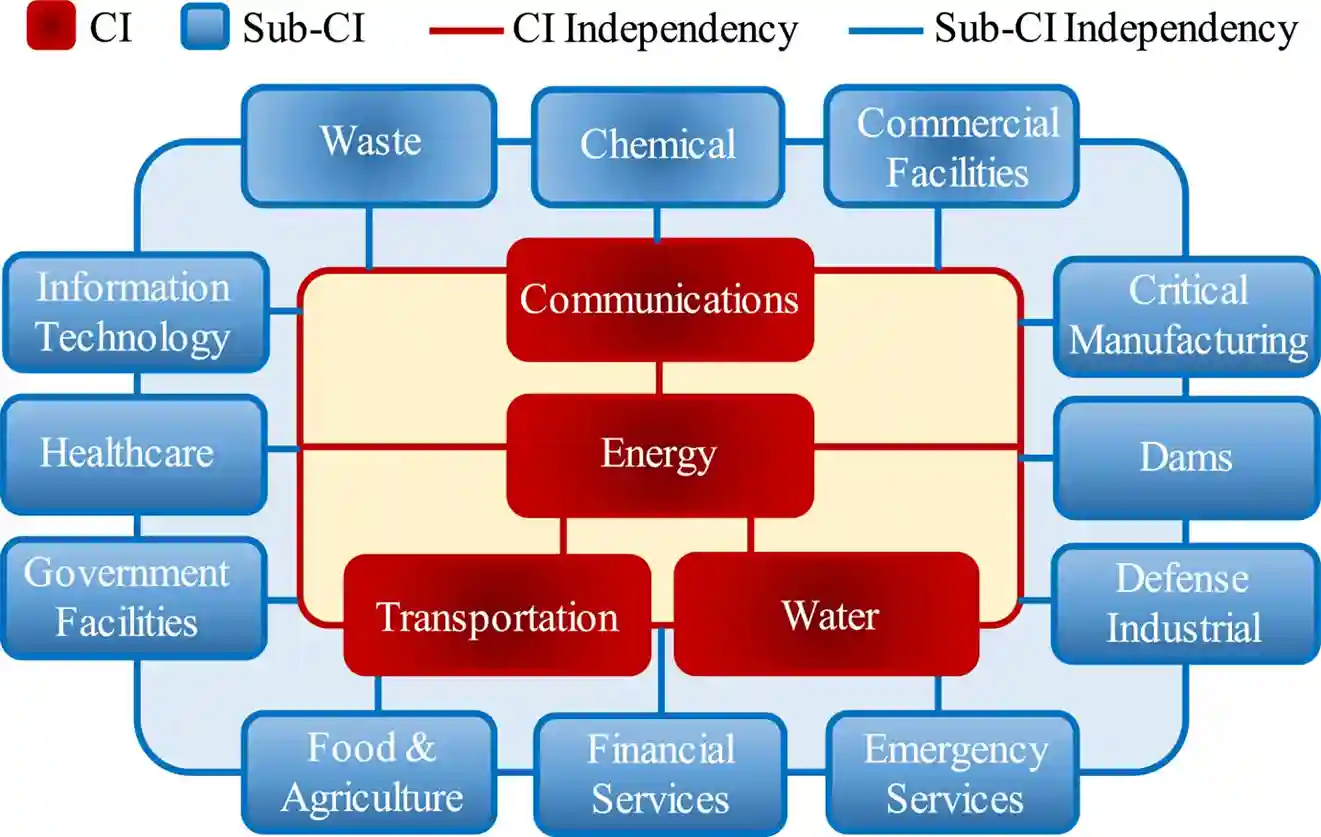
Figure 2.2: Critical infrastructure independence
In public sector infrastructure, stakeholder complexity is also magnified. Typically, these projects involve many ministries, regulatory bodies, funding agencies, consultants, and contractors. Each stakeholder group may have any number of different objectives, performance expectations or compliance requirements (Oktavianus, Mahani and Meifrinaldi, 2018). If stakeholders poor coordinate, the mistake is often made causing misunderstanding, conflicts and a lack of accountability that can interrupt the project very seriously. In addition to the coordination with general building stakeholders, additional coordination is required in healthcare projects with specialized health agencies, bringing the total to a greater number of stakeholders. Also, public sector projects are tremendously vulnerable to public and the media exposure (Ja’afaru and Asemah, 2024). Delays, cost overruns or quality issues can quickly become subject to much public debate, placing additional pressure on project teams. This can result in additional burden of accountability and documentation, and a greater emphasis on transparency and documentation that can interrupt the flow of decision making.
There are an extra set of technical challenges for healthcare infrastructure-oriented projects. The design, safety, and infection control facilities, as well as the integration of equipment, are rigorously standardised for laboratories (Khan et al., 2019). As the construction process is already complex, safety concerns, specialised construction methods, high-precision engineering, and health-related compliance must be addressed. Adherence to these standards is essential because failure to comply may lead to a loss of functionality and safety in the completed facility. These public sector construction projects, overall and particularly in the healthcare sector, are faced with a complex mix of bureaucratic, political, financial, stakeholder, and sometimes technical risks (Khan et al., 2019). The leadership capable of effectively tackling these risk-related issues ought to have strong authority-based governance sets, enterprising engagement with its stakeholders, and sound management structures for risks that can enter into the idiosyncratic operating environment of the public sector.
2.3 Theoretical Frameworks
Large-scale construction projects ideally should be managed in a structured and disciplined manner, which would ensure achievement of time, cost, quality and stakeholder satisfaction aspects (Beste and Klakegg, 2022). In order to satisfy these needs, they resort to theoretically established frameworks that offer best practices, standardised processes and practical tools for dealing with complexity and uncertainty. Three key frameworks that are especially valid for large public infrastructure projects like the National Health Laboratory (NHL) in Qatar include the Project Management Body of Knowledge (PMBOK), PRINCE2 (Projects IN Controlled Environment) and structured risk management practice.
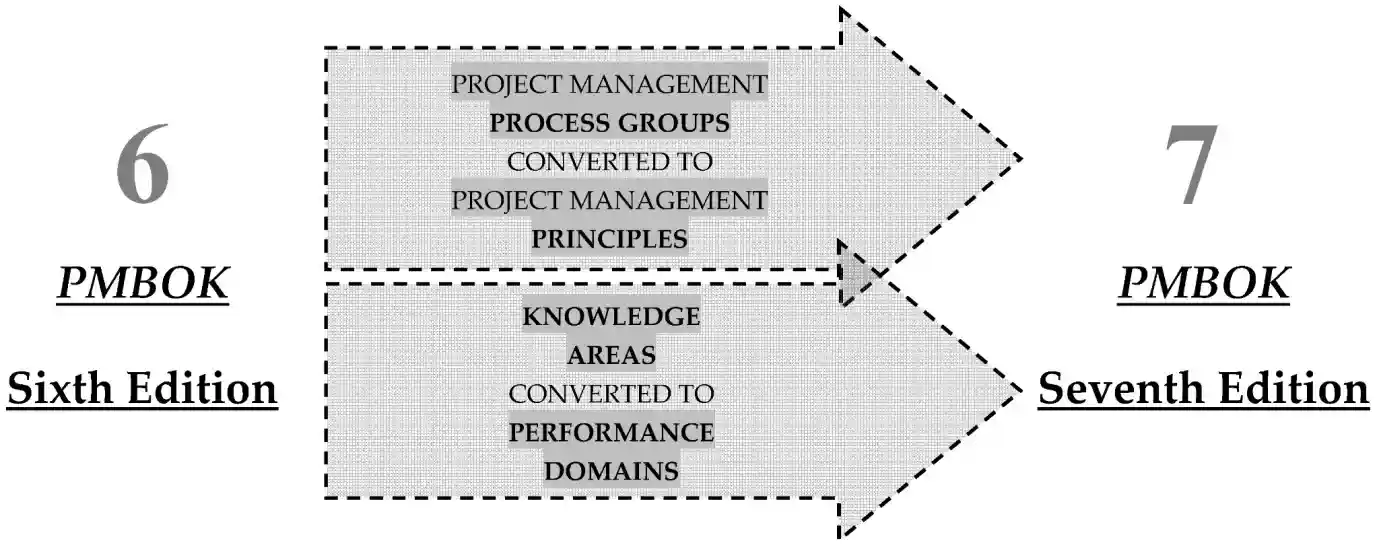
Figure 2.3: PMBOK Framework
The PMBOK framework is a comprehensive, systematic guide of the project management processes and knowledge areas (Varajão, Lopes and Tenera, 2024). It branches the project management activities into five process groups: initiation, planning, execution, monitoring and controlling, and closing. PMBOK within these groups of people names up to 10 knowledge areas: integration, scope, time, cost, quality, resource, communication, risk, procurement and stakeholder management. PMBOK's emphasis on detailed planning is significant in the context of large-scale construction. To avoid cost and time overruns and delays, complex projects such as the NHL require scope definition. In addition, ensuring that the project plan is carefully analysed for its impact on resources, timelines, and quality prior to approval is paramount, particularly through PMBOK’s integrated change control focus, which can help avoid fragmented decision-making in large projects that can destabilise an entire project.
The public sector project complexity made PRINCE2 particularly suited as a process-driven project management methodology (Rowe, Whitty and Wheeldon, 2024). It is based on seven principles: continued business justification, learning from experience, managing by stages, and others. This is particularly useful for large-scale construction projects like the NHL, and PRINCE2’s principle is to manage by stages. Dividing a project into stages with well-defined deliverables and points of decision allows the project to maintain better project control, and keep the project on track to meet strategic goals and solve rapidly emerging situations (Wood, 2024). Another important issue with large projects is PRINCE2’s focus on clearly defined roles and responsibilities, as the coordination of government agencies, contractors, consultants, and suppliers must be done in a way that avoids conflicts and secures accountability.
Another crucial theoretical area for large construction projects is risk management (Nocco and Stulz, 2022). Risk management is a systematic process of identifying, analysing, addressing, and monitoring the risks that occur throughout the project life. Risks in such infrastructure projects as the NHL may stem from a variety of sources, including technical, regulatory, environmental, labour, and supply chain challenges. The early identification of potential risks, along with the assessment of their probability and impact, is an effective strategy for managing risks in such projects that work efficiently. For instance, budgeting and scheduling work that includes contingency allowances makes it possible to absorb the effects of surprise without derailing overall project performance (Cui et al., 2022). Risk registers and regular risk reviews help establish the project team’s awareness of evolving threats and enable them to adapt accordingly.
These frameworks are applied to the construction of the National Health Laboratory to show this practical value. The coordination of complex design specifications, procurement schedules, and resource requirements can be facilitated by the planning and integration processes outlined in the PMBOK. PRINCE2’s stage management fit with phased construction and commissioning, enabling early testing and readjustment of major systems (Shurrab, Jonsson and Johansson, 2020). Proactive risk management, on the other hand, will see potential problems caused by specialised health facility requirements being identified and resolved before they escalate into big project blockers.
However, together, these theoretical frameworks provide a strong theoretical base for the successful delivery of large-scale and high-stakes projects. Structured methods for addressing complexity, enforcing accountability, promoting flexibility, and achieving technical, financial, and social objectives for projects such as the NHL, which are particularly crucial in public sector infrastructure development, are presented. The ability to understand and apply these theories effectively significantly increases the likelihood of project success in high-expectation, low-margin-of-error environments.
2.4 Case Studies and Regional Insights
Qatar and the wider Gulf Cooperation Council (GCC) region offer invaluable insights on how to address the difficulties involved in public sector infrastructure development on large-scale projects (Arif and Aldosary, 2023). Existing in scale and complexity similar to the National Health Laboratory (NHL), are several projects which offer important insights into the construction challenges encountered in the region, especially in healthcare and research facilities. The Qatar Sidra Medical Complex is the standout healthcare facility to offer medical services and research facilities on par with the rest of the world (Sumaya Abiib et al., 2024). Delay in construction and costs were affected greatly since Sidra Medicine had to deal with the challenge of getting contractors of expertise to perform to the international standards of healthcare. Due to huge amounts of funding and immense political backing, timeline slippages were encountered and this pushed the delivery of the project several years. Another reason is that case described in the Sidra case shows the importance of strict scope management, early stakeholder engagement and thorough technical coordination when designing the healthcare infrastructure.
A further example which is relevant is the expansion projects of Hamad Medical Corporation which included the construction of several new hospitals and specialised centres all around Qatar (Hamad et al., 2023). Like these projects, they too also had problems of labour management, procurement delays, and integration of advanced medical technologies. These initiatives provide lessons on the types of robust project governance frameworks needed to deal with multiple parallel construction sites, heterogeneous workforce and high regulatory compliance requirements.
Although the King Abdullah Medical City project in Saudi Arabia was affected by changes in funding priorities, problems in the contractor performance and converging project outputs with the fast-changing new healthcare strategies, it has emerged as a successful project globally (Alotaibi et al., 2022). To demonstrate how political influences and economic shifts can impact large-scale construction efforts in healthcare, the project emphasised the need for flexible project management approaches to accommodate external changes.
The other instructive case is the Cleveland Clinic Abu Dhabi. However, it did bring a world-class hospital facility but with the intensive use of risk management, selected special contractors and stringent quality assurance practices. Investing heavily in early-stage planning is a key lesson from this project, and more particularly in the project where the technology and the operational systems need to be integrated (Eckersten, Balfors and Gunnarsson-Östling, 2021). Moreover, healthcare infrastructure projects require a higher level of technical coordination compared to standard construction projects; therefore, specialised project management skills are essential. Third, as with public sector projects more generally, many projects in the GCC operate in politically sensitive environments and consequently require risks to be managed not only in terms of technical and operational, but also reputational and political risks.
2.5 Summary of Key Themes
The review of literature and of regional case studies will indicate a number of key themes that are capitalised upon in construction challenges of large-scale public infrastructure projects, especially in the field of healthcare and research. From these themes, a foundation is established for resolving the complexities surrounding the National Health Laboratory (NHL) project in Qatar.
The first major theme is the number of delays with projects (Tariq and Gardezi, 2022). Delays are a continuing issue in public sector construction initiatives, most commonly brought about by the occurrence of regulatory hurdles, design changes, slow decision-making processes and resource constraints. Compounded further in healthcare projects are delays where strict technical specifications and emerging standards provide frequent opportunities for modification during construction (Ibrahim et al., 2025). To be effective in managing time in such environments, planning requires robustness, scheduling must have permeability, and good governance must be in place.
Furthermore, there is a second important theme related to resource management challenges. Projects in the Gulf region involve large volumes of imported materials and an expatriate labour force, and are susceptible to disruptions in global supply chains and fluctuations in labour supply (Khatib et al., 2022). Due to resource-related risks, efficient procurement strategies, workforce management, and contingency planning become essential requirements for risk management.
The dominant theme is stakeholder complexity. Projects in the public sector involve numerous stakeholders, each with a specific interest, responsibility, and expectation. The root cause of conflicts and project inefficiencies often lies in poor communication, misalignment of objectives, and unclear governance structures. The successful projects are highly stakeholder engagement-oriented, transparent, and have clearly defined roles and responsibilities.
Risk management is the fourth theme. There is no lack of risks faced by construction projects, particularly in the public healthcare sector, including technical, political, financial, and environmental risks (Ampratwum, Tam and Osei-Kyei, 2022). Proactive risk identification, as well as regular risk assessments and built risk response plans, are identified as critical factors to ensure the navigation of uncertainties and the stability of the project in the literature. In addition, there is a recurring pattern of the impact of political and economic environments. Changes in government priorities, funding reallocations, and public scrutiny can cause a significant impact on Public Projects (Elendu et al., 2025). Project timelines, budgets, and even design specifications can be changed under political pressures. As a result, good project leadership goes well beyond a person having technical expertise, but also demands that the person has political sensitivity and adaptability to things in the outside world.
2.6 Gaps in the Literature
On the construction challenges, there is a large amount of research on topic in general, with some studies specifically in the public sector infrastructure development, but there are still a number of the important gaps, especially in Qatar and the Gulf region (Cantelmi, Di Gravio and Patriarca, 2021). These gaps reinforce the need for more specific and regional-focused research, especially on major public projects, as for example by organisations like Ashghal.
Construction projects managed by Ashghal have been the subject of very few detailed case studies, a major gap in the existing literature. Although Ashghal (Ambience Public Works Corporation) is the major deliverer of Qatar infrastructure projects, its project management practices, the challenges it experiences and the resulting outcomes are not well analysed (Grys, 2023). However, most available research focuses on broader regional construction trends or the private sector environment, ignoring the complexities of Qatar’s public construction sector. Given the case-specific nature of projects, there is a lack of case-specific studies which impairs the ability to derive practical lessons from real-world project experiences such as the National Health Laboratory.
It is also notable that there is a lack of research about healthcare infrastructure projects in Qatar. Like other general construction projects, the complexity and the regulatory needs of the healthcare facilities are significant and present different obstacles. Nevertheless, a lot of the present literature does not distinguish between healthcare projects and other infrastructure, and hence, a generalised understanding may not fully reflect the complexities associated with projects like laboratories and hospitals.
Moreover, while the construction challenges of delays, cost overruns, and stakeholder conflicts are well known, the influence of politics on project management outcomes in Qatar is still underrepresented (Durdyev, 2020). The projects that are undertaken by the public sector in the general region are often and rather carried out in politically sensitive environments where changes in leadership priorities or national strategies can have a major impact on the project trajectory. This last dimension is often glossed over in technical discussions, but it is always critical in terms of understanding what project managers face as reality in the public domain. Additionally, there is a need for research to be conducted to link the challenges of construction projects to Qatar National Vision 2030 and the strategic development goals outlined in national development plans (United nations, 2018). There are few direct studies on how delays or incompetence in building public infrastructure can influence overall national ambitions regarding health, education, or economic diversification.
2.7 Link to Study
The gaps identified in the existing literature are directly addressed in this research through a focused case-specific analysis of the construction challenges faced by Ashghal when the National Health Laboratory (NHL) was established in Qatar. The study provides much-needed empirical insights on the complexity of delivering large-scale, technically demanding infrastructure in Qatar’s socio-political and economic environment through the investigation of a real-world public sector project led by Ashghal (Hejnowicz et al., 2022).
As compared to broader regional studies that generalise construction challenges in diverse sectors without the constraints associated with specific construction challenges faced in the healthcare infrastructure sector, this research solely focuses on construction challenges posed by healthcare infrastructure, which has specific requirements in terms of refinement of technical knowledge, regulatory compliance, and coordination with stakeholder group. Unlike other projects like residential, commercial or even general public infrastructure, NHL-type healthcare projects pose the special need for building systems, safety standards and technological integration (Malik et al., 2021). The study is focused on the NHL case due to infectious challenges related to healthcare construction that have not been considered in previous research.
It also contributes to the literature by investigating the effect of political, regulatory and operational dynamics on public sector projects in the region of Qatar (United nations, 2018). In particular, it demonstrates how delays, resource constraints and stakeholder conflict not only influence the achievement of individual project goals but also have far-ranging effects on the attainment of strategic national goals as outlined by Qatar National Vision 2030 (United Nations, 2018). The research expands on the understanding of construction project performance being linked to national development objectives, linking infrastructure projects to both the success and failure of long-term visions.
This deliberate and justified choice is due to the choice of case study being the National Health Laboratory. The development of the NHL was at a time when strengthening public health capabilities was deemed critical to national security and economic sustainability and is a critical piece of Qatar’s healthcare infrastructure. It is a great case study which will enable us to delve deeply into the construction management challenges that exist in a hard-to-manage public sector environment. The NHL project also replicates the country's high expectations for public infrastructure, in terms of standards, and is illustrative of the risks and politics associated with running high-stakes government-led projects (Downs and Seifried, 2021).
This research, which narrows to the NHL concentration, not only addresses the identified gaps in the literature but also provides practical recommendations to the public sector organisations such as Ashghal. The objective is to make this a source of information for better current and future project management practices, and risk management strategies, and improved delivery of future healthcare and public infrastructure projects in Qatar.
Chapter 3: Methodology
This chapter explains the research design and philosophical approach adopted for the study, along with the methods used for data collection and analysis to examine construction challenges in the NHL project.
3.1 Research Design and Philosophy
The specific research design used for this study is qualitative and based on a case study approach focused on the National Health Laboratory (NHL) project in which Ashghal plays a role. This is a suitable method as it provides an in-depth look at construction challenges from the experience of people directly involved. An interpretivist philosophy guided the study, emphasising the understanding of the meanings of subjective experiences as reported by participants. The approach brings rich, detailed insights of construction challenges that are not captured by quantitative methods when the nature of public sector infrastructure projects is so complicated.
3.2 Data Collection Methods
One engineer working at Ashghal at the time had direct knowledge about the NHL project and data was collected from him through a semi-structured interview. To allow some flexibility in exploring relevant themes in this area, a semi-structured format was chosen while keeping consistency with key questions. The construction challenges were understood, their impacts, and mitigation strategies were discussed during the interview. Further project context was supplemented with a review of project documentation and publicly available reports, as well as the findings of interviews. Multiple sources contribute to improved credibility and breadth of the findings.
3.3 Sampling Strategy
This study’s sampling strategy was purposive. Various possible participants were considered, and a single participant was selected since he directly carried out the work, and his professional knowledge of the NHL project is evident (Robertson et al., 2023). It identified an engineer from Ashghal, this participant, as a key informant due to his capacity to describe in detail the challenges which are experienced in the construction of this type of urban slip road. An approach is taken through which the information collected is very well related to the research aim and objectives. The small sample size is a limitation; however, as the participants' experience is very rich, we hope to gain valuable qualitative data that will contribute meaningfully to the case study analysis.
3.4 Data Analysis
The interview data obtained from the participants were manually analysed using the technique of thematic analysis. The researcher transcribed the interview and reviewed them thoroughly, several times in order to ensure that the content was familiar. Relevant significant statements related to construction challenges, project impacts and management strategies were used to develop initial codes (Gunduz, Aly and El Mekkawy, 2022). Subsequently, these codes were organised into broader themes that corresponded to the research questions. Thematic analysis provided a flexible yet structured approach to identify and interpret patterns in the data. The study manually coded and organised the data with the intention of keeping the findings connected to real participants’ experiences and reflectivity, rather than solely through the use of software.
3.5 Ethical Considerations
The research process adhered closely to ethical principles (Sivasubramaniam et al., 2021). Before the interview, the participant gave informed consent, voluntary participation and knew the purpose of the study. To protect their identity, all identifying information was removed from the transcript and our analysis. The participant was informed of their rights to not participate in the study or to withdraw from it at any time, with no consequences. The data collected during the study were stored securely and only for research purposes. The principles of both the university’s research ethics guidelines were adhered to and ethical approval was sought and granted before data collection commenced.
3.6 Methodological Limitations
The methods employed for this study have their limits. One of the drawbacks of limits the breadth of perspectives as well as the generalizability of the findings to other projects or organisations (Heldal, 2024). Despite the participant offering rich and detailed insights, the findings were based mainly on the individual's experiences and may not fully capture broader organisational challenges. Additionally, there was limited access to supplementary project documentation, which prevented triangulation of the findings with other data sources. While faced with such limitations, the case study provides valuable context-specific insights into constructional challenges in public sector infrastructure development in Qatar.
If you need clear guidance or support to complete your assignment effectively, Native Assignment Help offers structured and easy-to-understand academic assistance designed to simplify complex topics. Our expert writers provide well-researched, original, and plagiarism-free content that helps you strengthen your understanding, improve your academic writing skills, and complete your work with greater clarity and confidence.
References
- Alotaibi, A., Saleh, W., Abdulbaqi, A. and Alosaimi, M. (2022). Health Research Priority Agenda for Ministry of Health, Kingdom of Saudi Arabia from 2020 to 2025. Journal of Epidemiology and Global Health, 1(1). doi:https://doi.org/10.1007/s44197-022-00061-5.
- Ampratwum, G., Tam, V.W.Y. and Osei-Kyei, R. (2022). Critical analysis of risks factors in using public-private partnership in building critical infrastructure resilience: a systematic review. Construction Innovation, 23(2). doi:https://doi.org/10.1108/ci-10-2021-0182.
- Arif, M. and Aldosary, A.S. (2023). Urban Spatial Strategies of the Gulf Cooperation Council: A Comparative Analysis and Lessons Learned. Sustainability, [online] 15(18), p.13344. doi:https://doi.org/10.3390/su151813344.
- Ashgal Qatar Government (2024). Overview. [online] www.ashghal.gov.qa. Available at: https://www.ashghal.gov.qa/en/AboutUS/Pages/default.aspx [Accessed 28 Apr. 2025].
- Ayenew, L.G., Hoelscher, M.A., Emshoff, J.G., Kidder, D.P. and Ellis, B.A. (2021). Evaluation of the Public Health Achievements Made by Projects Supported by a Federal Contract Mechanism at the Centers for Disease Control and Prevention (CDC), USA. Evaluation and Program Planning, 88, p.101949. doi:https://doi.org/10.1016/j.evalprogplan.2021.101949.
- Beste, T. and Klakegg, O.J. (2022). Strategic change towards cost-efficient public construction projects. International Journal of Project Management, [online] 40(4). doi:https://doi.org/10.1016/j.ijproman.2022.04.006.
- Cantelmi, R., Di Gravio, G. and Patriarca, R. (2021). Reviewing qualitative research approaches in the context of critical infrastructure resilience. Environment Systems and Decisions, 41(3), pp.341–376.
- Carney, T.J. (2023). Advancing Chronic Disease Practice Through the CDC Data Modernization Initiative. Preventing Chronic Disease, [online] 20. doi:https://doi.org/10.5888/pcd20.230120.
- CDC (2024). Social determinants of health (SDOH). [online] CDC.gov. Available at: https://www.cdc.gov/about/priorities/why-is-addressing-sdoh-important.html [Accessed 28 Apr. 2025].
- Crowley, R., Mathew, S. and Hilden, D. (2023). Modernizing the United States’ Public Health Infrastructure: A Position Paper From the American College of Physicians. Annals of Internal Medicine, 176(8), pp.1089–1091. doi:https://doi.org/10.7326/m23-0670.
- Cui, P., Ge, Y., Li, S., Li, Z., Xu, X., Zhou, G.G.D., Chen, H., Wang, H., Lei, Y., Zhou, L., Yi, S., Wu, C., Guo, J., Wang, Q., Lan, H., Ding, M., Ren, J., Zeng, L., Jiang, Y. and Wang, Y. (2022). Scientific challenges in disaster risk reduction for the Sichuan–Tibet Railway. Engineering Geology, 309, p.106837. doi:https://doi.org/10.1016/j.enggeo.2022.106837.
- Davis, H.E., McCorkell, L., Vogel, J.M. and Topol, E.J. (2023). Long COVID: major findings, mechanisms and recommendations. Nature Reviews Microbiology, [online] 21(3), pp.1–14. doi:https://doi.org/10.1038/s41579-022-00846-2.
- Derakhshan, R. and Turner, R. (2022). Understanding stakeholder experience through the stakeholder journey. Project Leadership and Society, 3, p.100063. doi:https://doi.org/10.1016/j.plas.2022.100063.
- Downs, B.J. and Seifried, C. (2021). Theaters of Competition. Journal of Emerging Sport Studies. doi:https://doi.org/10.26522/jess.v6i.3590.
- Durdyev, S. (2020). Review of construction journals on causes of project cost overruns. Engineering, Construction and Architectural Management, 28(4). doi:https://doi.org/10.1108/ecam-02-2020-0137.
- Ebekozien, A., Aigbavboa, C.O. and Ramotshela, M. (2023). A qualitative approach to investigate stakeholders’ engagement in construction projects. Benchmarking: An International Journal, [online] 31(3). doi:https://doi.org/10.1108/bij-11-2021-0663.
- Eckersten, S., Balfors, B. and Gunnarsson-Östling, U. (2021). Challenges and Opportunities in Early Stage Planning of Transport Infrastructure Projects: Environmental Aspects in the Strategic Choice of Measures Approach. Sustainability, 13(3), p.1295. doi:https://doi.org/10.3390/su13031295.
- Elendu, C., Amaechi, D.C., Elendu, T.C., Amaechi, E.C., Elendu, I.D., Akpa, K.N., Oloyede, P.O., Adegbola, M.O. and Idowu, O.F. (2025). Shaping sustainable paths for HIV/AIDS funding: a review and reminder. Annals of Medicine & Surgery. doi:https://doi.org/10.1097/ms9.0000000000002976.
- Ershadi, M., Jefferies, M., Davis, P. and Mojtahedi, M. (2021). Barriers to Achieving Sustainable Construction Project Procurement in the Private Sector. Cleaner Engineering and Technology, [online] 3(1), p.100125. doi:https://doi.org/10.1016/j.clet.2021.100125.
- Faraji, A., Rashidi, M., Perera, S. and Samali, B. (2022). Applicability-Compatibility Analysis of PMBOK Seventh Edition from the Perspective of the Construction Industry Distinctive Peculiarities. Buildings, [online] 12(2), p.210. doi:https://doi.org/10.3390/buildings12020210.
- Formagini, T., Rezwan, A., Rodriguez, D., Venkataramani, M., O’Brien, M.J., Arredondo, E. and Ng, B.P. (2025). Navigating CDC recognition for the National DPP in socially vulnerable communities: barriers, facilitators, and recommendations. Archives of Public Health, 83(1). doi:https://doi.org/10.1186/s13690-025-01532-4.
- Gordan, M., Djibrilla Amadou Kountche, McCrum, D., Schauer, S., König, S., Delannoy, S., Connolly, L., Iacob, M., Durante, N.G., Shekhawat, Y., Carrasco, C., Katsoulakos, T. and Carroll, P. (2024). Protecting critical infrastructure against cascading effects: The PRECINCT approach. Resilient Cities and Structures, 3(3), pp.1–19. doi:https://doi.org/10.1016/j.rcns.2024.04.001.
- Government Communications Office (2024). Qatar National Vision 2030. [online] Government Communications Office. Available at: https://www.gco.gov.qa/en/state-of-qatar/qatar-national-vision-2030/our-story/ [Accessed 28 Apr. 2025].
- Grys, R. (2023). Implementation of Building Information Modelling (BIM) on Public Infrastructure and Building Projects in Qatar. [online] qspace.qu.edu.qa. doi:https://doi.org/10.29117/cic.2023.0028.
- Gunduz, M., Aly, A.A. and El Mekkawy, T. (2022). Value Engineering Factors with an Impact on Design Management Performance of Construction Projects. Journal of Management in Engineering, 38(3). doi:https://doi.org/10.1061/(asce)me.1943-5479.0001026.
- Hamad, A., M. Alsaqa'aby, Yazed AlRuthia, Aldallal, S. and Gihan Hamdy Elsisi (2023). Overview of Procurement and Reimbursement of Pharmaceuticals in Saudi Arabia, United Arab Emirates, Qatar, and Egypt: Challenges and Opportunities. Global journal on quality and safety in healthcare, [online] 6(4), pp.127–136. doi:https://doi.org/10.36401/jqsh-23-1.
- Hejnowicz, A.P., Jessica, Giraudo, M.E., Sallach, J.B., Hartley, S.E., Grugel, J., Pueppke, S.G. and Emberson, L. (2022). Appraising the Water‐Energy‐Food Nexus From a Sustainable Development Perspective: A Maturing Paradigm? Springer, 10(12). doi:https://doi.org/10.1029/2021ef002622.
- Heldal, R. (2024). Is generalisation hindering the adoption of your findings? Proceedings of the 18th ACM/IEEE International Symposium on Empirical Software Engineering and Measurement, pp.348–358. doi:https://doi.org/10.1145/3674805.3686694.
- Hudon, P.-A. and Floricel, S. (2023). The development of large public infrastructure projects: integrating policy and project studies models. Policy and Society. doi:https://doi.org/10.1093/polsoc/puad004.
- Ibrahim, A., Zayed, T. and Lafhaj, Z. (2024). Enhancing Construction Performance: A Critical Review of Performance Measurement Practices at the Project Level. Buildings, [online] 14(7), p.1988. doi:https://doi.org/10.3390/buildings14071988.
- Ibrahim, N.H., Wallace, J., Piaggio, D. and Pecchia, L. (2025). Validation of a framework for assessing healthcare facilities in low-resource settings: a field study in selected facilities in Ethiopia. Health and Technology, 15(1), pp.201–209. doi:https://doi.org/10.1007/s12553-025-00943-1.
- Ja’afaru, S.G. and Asemah, E.S. (2024). How Social Media Shape Public Opinion through Propaganda and the spread of Disinformation. [online] ResearchGate. Available at: https://www.researchgate.net/publication/382997718_How_Social_Media_Shape_Public_Opinion_through_Propaganda_and_the_spread_of_Disinformation.
- Khan, A., Waris, M., Ismail, I., Sajid, M., Ullah, M. and Usman, F. (2019). Deficiencies in Project Governance: An Analysis of Infrastructure Development Program. Administrative Sciences, [online] 9(1), p.9. doi:https://doi.org/10.3390/admsci9010009.
- Khatib, M.E., Hammadi, A.A., Hamar, A.A., Oraby, K. and Abdulaziz, M. (2022). How Global Supply Chain Management Is Disrupting Local Supply Chain Management Case of Oil and Gas Industry in UAE. American Journal of Industrial and Business Management, [online] 12(05), pp.1067–1078. doi:https://doi.org/10.4236/ajibm.2022.125056.
- Kruk, M.E., Gage, A.D., Arsenault, C., Jordan, K., Leslie, H.H., Roder-DeWan, S., Adeyi, O., Barker, P., Daelmans, B., Doubova, S.V., English, M., Elorrio, E.G., Guanais, F., Gureje, O., Hirschhorn, L.R., Jiang, L., Kelley, E., Lemango, E.T., Liljestrand, J. and Malata, A. (2018). High-quality health systems in the Sustainable Development Goals era: time for a revolution. The Lancet Global Health, 6(11), pp.e1196–e1252. doi:https://pmc.ncbi.nlm.nih.gov/articles/PMC7734391/.
- Malik, A., Parks, B., Russell, B., Lin, J., Walsh, K., Solomon, K., Zhang, S., Elston, T.-B., Goodman, S. and Mary, W. (2021). Banking on the Belt and Road: Insights from a new global dataset of 13,427 Chinese development projects. [online] Available at: https://www.cubatrade.org/s/Banking_on_the_Belt_and_Road__Insights_from_a_new_global_dataset_of_13427_Chinese_development_projec.pdf.
- Mavi, R.K., Gengatharen, D., Mavi, N.K., Hughes, R., Campbell, A. and Yates, R. (2021). Sustainability in Construction Projects: A Systematic Literature Review. Sustainability, [online] 13(4), p.1932. doi:https://doi.org/10.3390/su13041932.
- Moshood, T.D., Rotimi, J.O. and Shahzad, W. (2024). Enhancing sustainability considerations in construction industry projects. Environment, development and sustainability. [online] doi:https://doi.org/10.1007/s10668-024-04946-2.
- Nocco, B.W. and Stulz, R.M. (2022). Enterprise Risk Management: Theory and Practice. Journal of Applied Corporate Finance, [online] 34(1), pp.81–94. doi:https://doi.org/10.1111/jacf.12490.
- Oktavianus, A., Mahani, I. and Meifrinaldi (2018). A Global Review of Public Private Partnerships Trends and Challenges for Social Infrastructure. MATEC Web of Conferences, 147, p.06001. doi:https://doi.org/10.1051/matecconf/201814706001.
- Robertson, R.E., Green, J., Ruck, D.J., Ognyanova, K., Wilson, C. and Lazer, D. (2023). Users choose to engage with more partisan news than they are exposed to on Google Search. Springer. doi:https://doi.org/10.1038/s41586-023-06078-5.
- Roshanaei, M. (2021). Resilience at the Core: Critical Infrastructure Protection Challenges, Priorities and Cybersecurity Assessment Strategies. Journal of Computer and Communications, 09(08), pp.80–102. doi:https://doi.org/10.4236/jcc.2021.98006.
- Rowe, K.M., Whitty, S.J. and Wheeldon, A.L. (2024). The Pragmatic Comportment Compass: Rethinking Projectification in Public Sector. Project Leadership and Society, [online] 5, pp.100152–100152. doi:https://doi.org/10.1016/j.plas.2024.100152.
- Sarmento, N., Soares da Silva, E., Barreto, I., Ximenes, J.C., Angelina, J.M., Correia, D.M., Babo, S.M., Tilman, A.J.P., Salles de Sousa, A., Hornay, E., Ico, L.C., Machado, F. de N., Niha, M.V., Ballard, S., Lin, C., Howden, B., Baird, R., Wapling, J., Alves, L. and Oakley, T. (2023). The COVID-19 laboratory response in Timor-Leste: a story of collaboration. The Lancet Regional Health - Southeast Asia, 11, p.100150. doi:https://doi.org/10.1016/j.lansea.2023.100150.
- Shurrab, H., Jonsson, P. and Johansson, M.I. (2020). A tactical demand-supply planning framework to manage complexity in engineer-to-order environments: insights from an in-depth case study. Production Planning & Control, pp.1–18. doi:https://doi.org/10.1080/09537287.2020.1829147.
- Sivasubramaniam, S., Dlabolová, D.H., Kralikova, V. and Khan, Z.R. (2021). Assisting You to Advance with Ethics in Research: an Introduction to Ethical Governance and Application Procedures. International Journal for Educational Integrity, [online] 17(1), pp.1–18. doi:https://doi.org/10.1007/s40979-021-00078-6.
- Sumaya Abiib, Houssein Khodjet-El-khil, El-Akouri, K., Reem Ibrahim Bux, Zoulikha Rezoug, Wafa Abualainin, Moza Alkowari, Sara Osman Musa, Mariam Al Mulla, Rehab Al Saleh, Noora Shahbeck, Farag, M., Ismail, S.I., Reem Al Sulaiman, Tawfeg Ben-Omran, Asma Al-Thani and Mashael Al-Shafai (2024). Qatar’s Genetic Counseling Landscape: Current Insights and Future Prospects. Genetics in Medicine Open, pp.101866–101866. doi:https://doi.org/10.1016/j.gimo.2024.101866.
- Tabrizi, J.S., Azami-aghdash, S. and Gharaee, H. (2020). Public-Private Partnership Policy in Primary Health Care: A Scoping Review. Journal of Primary Care & Community Health, 11, p.215013272094376. doi:https://doi.org/10.1177/2150132720943769.
- Tariq, J. and Gardezi, S.S.S. (2022). Study the delays and conflicts for construction projects and their mutual relationship: A review. Ain Shams Engineering Journal, 14(1), p.101815. doi:https://doi.org/10.1016/j.asej.2022.101815.
- United nations (2018). Qatar .:. Sustainable Development Knowledge Platform. [online] Un.org. Available at: https://sustainabledevelopment.un.org/memberstates/qatar.
- Varajão, J., Lopes, L. and Tenera, A. (2024). Framework of standards, guides and methodologies for project, program, portfolio, and PMO management. Computer Standards & Interfaces, 92, pp.103888–103888. doi:https://doi.org/10.1016/j.csi.2024.103888.
- Wang, Z., Zhang, Y., Zheng, K., Zeng, R., Yuan, H. and Liu, J. (2023). A review of mega-project management research from an organization science perspective: Current status and future directions. Developments in the Built Environment, 16, pp.100254–100254. doi:https://doi.org/10.1016/j.dibe.2023.100254.
- Wood, R. (2024). Information Systems Project Management. [online] Ocolearnok.org. Available at: https://open.ocolearnok.org/informationsystems/chapter/chapter-12-information-systems-project-management/.
Go Through the Best and FREE Case Studies Written by Our Academic Experts!
Native Assignment Help. (2026). Retrieved from:
https://www.nativeassignmenthelp.co.uk/challenges-in-building-the-national-health-laboratory-case-study-51169
Native Assignment Help, (2026),
https://www.nativeassignmenthelp.co.uk/challenges-in-building-the-national-health-laboratory-case-study-51169
Native Assignment Help (2026) [Online]. Retrieved from:
https://www.nativeassignmenthelp.co.uk/challenges-in-building-the-national-health-laboratory-case-study-51169
Native Assignment Help. (Native Assignment Help, 2026)
https://www.nativeassignmenthelp.co.uk/challenges-in-building-the-national-health-laboratory-case-study-51169
- FreeDownload - 3149 TimesEmployee Retention As An Challenge For Human Resource Management-A Case Of Tesco Plc
Employee Retention As An Challenge For Human Resource Management-A Case Of...View or download
- FreeDownload - 1399 TimesPiling Foundation Method Statement Case study
Introduction: Piling Foundation Method Statement The reports discuss...View or download
- FreeDownload - 2062 TimesUnit 8 Case Study: Exploring Hibo’s Approach to Innovation and Commercialization
Unit 8: Innovation And Commercialization (Hibo) Introduction: Unit 8:...View or download
- FreeDownload - 722 TimesMisrepresentation in Contract Law: Case Analysis
1.0 Introduction This paper focuses on the element of misrepresentation that...View or download
- FreeDownload - 910 TimesAnalytical Tools for Competitive Advantage in Fashion Retail for Asos Plc Case Study
Introduction: Analytical Tools for Competitive Advantage in Fashion Retail for...View or download
- FreeDownload - 939 TimesTheranos Leadership: Examining Corporate Ethics in Technology Startups Case Study
Risks and Failures of Entrepreneurial Deception in Silicon...View or download
-
100% Confidential
Your personal details and order information are kept completely private with our strict confidentiality policy.
-
On-Time Delivery
Receive your assignment exactly within the promised deadline—no delays, ever.
-
Native British Writers
Get your work crafted by highly-skilled native UK writers with strong academic expertise.
-
A+ Quality Assignments
We deliver top-notch, well-researched, and perfectly structured assignments to help you secure the highest grades.