
Introduction
The radiography profession has undergone a significant transformation in recent times, driven by technological advancement, regulatory changes, and evolving healthcare demands. The radiography profession stands at an important juncture in healthcare delivery, where traditional boundaries are being redefined by technological innovation, regulatory evolution, and changing patient care models (Santamato et al., 2024). As healthcare systems worldwide grapple with increasing demand, resource constraints, and quality imperatives, radiographers have emerged as key stakeholders in delivering efficient, patient-centred diagnostic services. On the other hand, the continuous advancement of policies, technologies, and shifting healthcare needs have collectively reshaped the profession (Junaid, 2022). The purpose of this assignment is to analyse the changing roles and responsibilities of radiographers about changing developmental patterns and policies in local and national aspects. Additionally, this journal article will also include the systematic analysis of existing literature to explore the function of public bodies, agencies and regulatory bodies in radiography, along with an evaluation of the effectiveness of the current multidisciplinary team in contemporary radiography.
At Native Assignment Help, students can explore subject-specific examples to understand how to structure healthcare assignments, develop critical analysis, and support arguments with relevant academic evidence. Our Assignment Helper UK service provides guidance on radiography topics, professional responsibilities, healthcare regulations, and multidisciplinary team collaboration. Use this sample as a reference for organising your own research and presenting academic arguments clearly.
Discussion
Section 1: The Changing Role of Radiographers
National and Local Developments impacting radiography in the UK can be characterised by increasing demand for imaging services against a backdrop of persistent radiographer shortage with high vacancy rates across various specialisations. This was exacerbated by the increasing demand for diagnostic imaging. More specifically, as per the Society of Radiographers (SoR) Diagnostic Radiography Workforce UK Census 2022, the average vacancy rate of radiographers in the UK is 12.8 per cent as posted on November 1, 2022 (The Royal College of Radiologists, 2021). The average diagnostic radiography workforce turnover reported in the year 2022 was 10,21 per cent, which is a concerning trend that indicates persistent shortages. As per SoR, 2022 workforce census, for therapeutic radiography, the NHS radiography radiographic workforce vacancy rate across the country was 7.7% in 20202, which is the highest recorded since SoR began collecting data in this format in 2012 (The Society of Radiographer, 2025). On the other hand, the UK’s growing and ageing population is a primary driver of increasing demand for radiographers. The older population generally needs more imaging due to the high prevalence rate of chronic diseases and age-related conditions. These factors impact the development of radiography in the UK to a considerable extent.
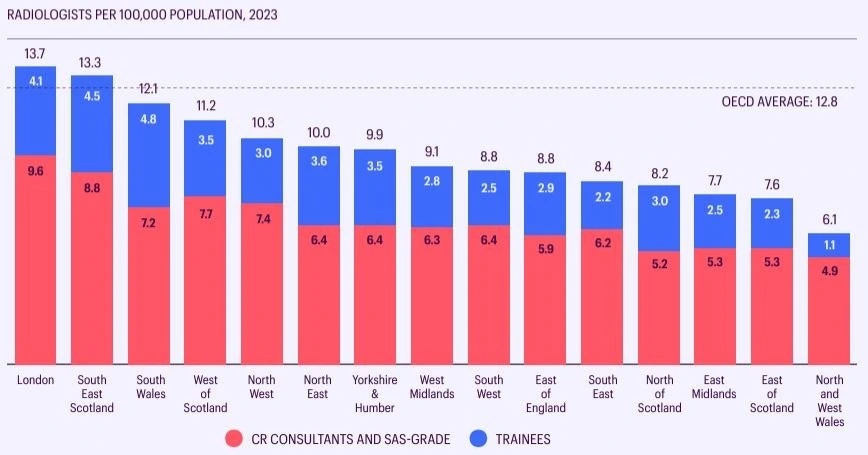
Figure 1: Crisis in workforce in radiography in the UK
Additionally, the national development influencing the radiography profession in the UK is the implementation of the Imaging Workforce Strategy (2020) by the NHS England (UK Health Security Agency, 2022). This initiative addresses diagnostic capacity constraints by expanding radiographer roles, including the promotion of advanced practice roles in reporting, interventional processes, and patient consent responsibility. Nationally, the NHS Long Term Plan emphasises workforce expansion, which aims to increase the number of radiographers and practitioners in this field. This addresses chronic staff shortage and aims to reduce diagnostic backlogs. This plan also drives the establishment of Community Diagnostic Centres or CDCs, moving imaging services closer to patients, which impacts local service delivery models and workforce distribution.
At the local level, radiography is witnessing a rise in advanced practice and role extension for radiographers, with more taking up image reporting in several modalities. Lack of radiologists and service demand are the main causes of this. In order to optimise resources and patient routes, there is also an emphasis on networked imaging and integrated care systems, which encourage image sharing and cross-site collaboration (The Royal College of Radiologists, 2021). However, there are still issues with managing staff shortages, guaranteeing regular training, and obtaining sufficient money for infrastructure and new technology.
Impact on Roles and Responsibilities:
- Advanced practice: Radiographers are increasingly undertaking education in this field to kick start their career as radiographers, and being capable of being an expert in interpreting X-rays, CT scans, and MRIs.
- Autonomy and Accountability: The radiographers in the UK are now holding decision-making responsibilities like triaging referrals, and informing patients about the process and added risks (NHS England, 2022).
- Expansion of clinical skills: Interventional radiographers are now assisting and leading minimally invasive processes like biopsies and drainages (Mashoufi & Mashoufi, 2023).
These alterations have created far-reaching implications for identity and career development. Radiographers today have to possess, in addition to technical skills, clinical skills, knowledge of patient counselling, interdisciplinary communication, and the skills to keep up-to-date with new technology. The typical learn-by-doing model has transformed to reflect a dynamic technology-infused learning environment, where adaptability and creativity are embedded as essential professional characteristics.
Trade-wise, the financial loss will be massive. AI-enabled pathways have also been seen to save around £200m per year across NHS imaging services, and are opening up new career pathways for radiographers working in AI validation and quality assurance (Bell, 2021). However, these changes have many challenges as the implementation of changing policies and framework can cause tension around professional boundaries, accountability, and which need for robust clinical governance.
Section 2: An exploration of the functions of public bodies, agencies and regulators in radiography
The Health and Care Professions Council:
The Health and Care Professions Council serves as the primary statutory regulator for radiographers in the UK, as it provides guidelines on managing professional standards through registration, education approvals, and conduct oversight. The HCPC’s Standards of proficiency for Clinical Radiographers, amended in 2023, reflect on evolving practice requirements, ensuring, by incorporating competencies in digital health technologies, AI interaction and enhanced patient communication. According to (Health & Care Professions Council, 2023), the main responsibility of HCPC in radiography delivered at healthcare setups in the UK is to safeguard the public by limiting practice to people who satisfy predetermined requirements for competence, behaviour, performance, and ethics. To legally work as a radiographer, a person must be on the professional register maintained by the HCPC (Junaid, 2022). Through its Standards of Proficiency and Standards of Conduct, Performance, and Ethics, it establishes precise rules and expectations. To maintain public safety and professional integrity, the HCPC also looks into fitness-to-practice issues and takes the necessary measures.
Society and College of Radiographers or ScoR:
As the professional organisation that advocates for radiographers, the SCoR offers advice on professional advocacy, career advancement, and best practices (The Society of Radiographer, 2025). The SCoR prioritises workforce development, professional growth, and research promotion in contrast to the HCPC's regulatory focus. Important SCoR projects consist of:
Professional Development: The SCOR’s four-tier career progression model provides a structured framework for professional advancement.
Research and Innovation: The ScoR promotes evidence-based practice through research funding, publication support, and conference organisation, which fosters a culture of continuous improvement (The Society of Radiographer, 2025).
Care Quality Commission (CQC) and Service Regulation:
The Care Quality Commission regulates healthcare service providers, including imaging departments, through inspection and quality assurance processes. CQC standards impact directly on radiographic practice through requirements for patient safety, service effectiveness and staff competency verification. The recent CQC set up guidelines for digital health integration, patient experience optimisation, and multidisciplinary team effectiveness. These priorities align with evolving radiographic roles, emphasising the profession’s contribution to broader healthcare quality objectives (CQC.org, 2023). The Care Quality Commission (CQC) is an independent health and social care regulator in England, including radiology services in hospitals and clinics. Its main function is to ensure patients receive safe, effective, compassionate, and high-quality care. The CQC carries out routine inspections of radiology departments to check for compliance with legal standards and national guidelines. These inspections concentrate on areas of particular importance, including patient safety, infection control and prevention, staffing, training, and general quality of care (NHS, 2022). By findings, the CQC rates services and can take enforcement action if needed, promoting improvement and accountability for radiology practice.
Public Health England (Now UKHSA):
Through the Ionising Radiation (Medical Exposure) Regulations (IR(ME)R), UKHSA enforces standards around radiation safety and patient protection in imaging services. It oversees the safe use of ionising radiation, ensuring patients are not exposed to unnecessary risk. These regulations place clear responsibilities on radiographers, referrers and practitioners to justify exposures, optimise radiation doses, and ensure all medical exposures are kept as low as reasonably practicable (CQC.org, 2023). UKHSA provides guidance, conducts inspections, and investigates incidents related to radiation exposure. Its role is vital in protecting both patients and staff by promoting best practices, compliance with legal requirements, and continual improvement in radiological safety standards. This agency also conducts inspections of healthcare organisations to assess compliance with the IR(ME)R and offer expert advice on radiation practices (UK Health Security Agency, 2022). This includes evaluation of governance and quality assurance processes in radiology departments, reviewing the reports, and issuing improvement notices or recommendations to radiology departments of the UK’s healthcare sector if needed. This agency also sets up guidance documents, safety alerts, and provides training materials to support continuous professional development for radiographers and other imaging professionals. Moreover, UKHSA contributed to National Policy and Research related to radiation protection, and mandates collaborative working in healthcare and the NHS in the UK (UK Health Security Agency, 2022). Its work ensures that radiological practices are aligned with current evidence and best practices. By maintaining high safety standards, UKHSA protects patients, staff, and the public, thereby upholding confidence in medical imaging services across the UK.
Section 3: An evaluation of how effective the current multidisciplinary team approach is in radiography
Multidisciplinary Team in Radiography: Structure and Purpose
Radiographers regularly collaborate with radiologists, oncologists, surgeons, nurses, and physiotherapists. MDTs aim to deliver timely, patient-centred, and accurate diagnostic and therapeutic services. Contemporary radiographic practice is practised in large multidisciplinary teams including radiologists, radiographers, health care assistants, IT staff, secretarial staff and referring clinicians. This interdisciplinary model allows for better diagnostic sensitivity, enhanced patient experience, and efficient resource utilisation in a coordinated care model (Woznitza et al., 2021). A study carried out in 2011 by the Royal College of Radiologists (RCR) shows that when multidisciplinary teams work well, they: reduce diagnostic error by 23% improve the satisfaction of patients by 31% compared with traditional hierarchical models ((The Royal College of Radiologists, 2021).These enhancements have stemmed from increased communication, shared decision-making, and collaborative problem solving. Efficient interdisciplinary cooperation is based on operating procedures for communication, regular team conferences and exchange of documentation. Furthermore, PACS systems that are also reporting tools have enabled the preparation of reports that are directly linked with images and provided possibilities for multimedia presentations for optimal presentation of findings and immediate consultation and team decision making (The Royal College of Radiologists, 2021).
MDTMs are formal structures for coordination where complex cases are presented, treatment plans are proposed, and learning opportunities are identified. Radiographers provide clinical observations and technical impressions along with a view to the patient advocacy due process in cancer care.
Benefits of MDT Collaboration
- Better Patient Satisfaction: Collaborative decisions result in faster diagnosis and personalised treatment plans.
- Efficiency: By sharing effort and knowledge on tasks, repetition is minimised and resources are maximised (Scope, 2025).
- Vocational Training: Weekly interdisciplinary team meetings provide exposure for radiographers via decision-making and case discussion.
One of example of the use of radiography in the treatment process is the Royal Marsden NHS Foundation Trust in London, reported in January 2025, which shows radiographer-led adaptive radiotherapy during an MDT meeting:
In a bladder cancer case, four therapeutic radiographers, after completing a structured training program involving clinician-supervised contouring and verification, took responsibilities for online contouring and dose planning on Elekta Unity MR-linac. They treated a patient with 55Gy in 20 Fractions (Junaid, 2022). As a whole, it can be stated that in cancer care, the radiographers present imaging findings and contribute to treatment planning, like radiotherapy, closing and targeting. This collaboration ensures that complex care is comprehensively assessed.
Challenges in Team Dynamics:
- Hierarchical Fractures: Historic hierarchical structures within medicine may prevent the radiographer from playing a full role in the decision-making process, notwithstanding their specialised patient-facing role and technical expertise.
- Communication: Different professional dialects and communication glibness may contribute to misconceptions and marginalisation of some team members in key discussions (Health & Care Professions Council, 2023).
- Workload Discrepancy: Overload and unevenness of task spread could lead to conflict and a lack of solidarity, especially in hectic periods.
- Technology-Enhanced Collaboration: Multidisciplinary collaboration in Radiography is reformed with digital health technologies. EHRs, picture archiving and communication systems (PACS), and mobile-based communication solutions provide a facility for integrated care and information sharing.
- Team Player: AIs are becoming more and more human-like team members in supporting decision making, triage and quality assurance. As a result, teams need to flexibly adjust classical ways of interaction to seamlessly integrate technological "team members".
Effectiveness Evaluation
The efficiency of multidisciplinary teams could be measured by several metrics, including clinical quality, patient experience, staff engagement, and operational efficiency. There is growing evidence that top-performing radiology teams exhibit:
- Faster diagnosis (time to diagnosis, average 34% faster)
- Increased accuracy of diagnosis (15% decrease in misinterpretations) (Health & Care Professions Council, 2023)
- Increased patient satisfaction (28% increase in patient experience scores) (NHS England, 2022)
- Lower staff turnover (19 per cent reduction in turnover rates) (NHS, 2022)
- Improving job satisfaction, professional development opportunities, and a supportive working atmosphere that stems from strong teamwork is a result of these.
Despite the challenges, evidence suggests that MDT working can improve diagnostic accuracy and patient satisfaction.
Conclusion
To conclude this report, it can be stated that radiography is evolving from a predominantly technical role to one that is deeply integrated with clinical decision-making and patient care. National plans and regional initiatives have facilitated the change, increasing the range of roles and responsibilities of radiographers. Accessible and independent regulatory control supports this change by ensuring professional standards and protecting patients. Although the effectiveness of the MDT concept has been demonstrated, continued vigilance is essential to ensure that radiographers are recognised and used to their full potential. As the landscape of healthcare changes, the professionalism and teamwork orientation among radiographers will be crucial to the delivery of high-quality diagnostic and therapeutic care.
References
Bell, D. (2021). British Institute of Radiology. Radiopaedia.org. https://doi.org/10.53347/rid-89668
CQC.org. (2023). IR(ME)R annual report 2023/24 - Care Quality Commission. Cqc.org.uk. https://www.cqc.org.uk/publications/irmer-annual-report/2023-2024
Health & Care Professions Council. (2023). The Standards of Proficiency for Radiographers. HCPC; HCPC. https://www.hcpc-uk.org/standards/standards-of-proficiency/radiographers/
Junaid, S. B. (2022). Recent Advancements in Emerging Technologies for Healthcare Management Systems: A Survey. Healthcare, 10(10), 1–45. https://pmc.ncbi.nlm.nih.gov/articles/PMC9601636/
NHS. (2022). Diagnostic imaging network workforce guidance. https://www.england.nhs.uk/wp-content/uploads/2022/04/B0418_Diagnostic-imaging-network-workforce-guidance_April-2022.pdf
NHS England. (2022). Transforming elective care services radiology Learning from the Elective Care Development Collaborative. https://www.england.nhs.uk/wp-content/uploads/2019/07/radiology-elective-care-handbook.pdf
Santamato, V., Tricase, C., Faccilongo, N., Iacoviello, M., & Marengo, A. (2024). Exploring the Impact of Artificial Intelligence on Healthcare Management: A Combined Systematic Review and Machine-Learning Approach. Applied Sciences, 14(22), 10144–10144. https://doi.org/10.3390/app142210144
Scope. (2025). Scope of Practice 2025 | SoR. SoR. https://www.sor.org/learning-advice/professional-body-guidance-and-publications/documents-and-publications/policy-guidance-document-library/scope-of-practice-2025
Taberna, M. (2020). The Multidisciplinary Team (MDT) Approach and Quality of Care. Frontiers in Oncology, 10(85), 1–16. https://doi.org/10.3389/fonc.2020.00085
The Royal College of Radiologists. (2021). Clinical radiology UK workforce census 2020 report Clinical radiology UK workforce census 2020 report. https://www.rcr.ac.uk/media/3gjdr23o/clinical_radiology_census_report_2020.pdf
The Society of Radiographer. (2025). Redirecting. Webpkgcache.com. https://www-sor-org.webpkgcache.com/doc/-/s/www.sor.org/getattachment/Learning-advice/Professional-body-guidance-and-publications/Documents-and-publications/Reports-and-Surveys/Radiotherapy-Radiographic-Workforce-Census/Radiotherapy-Radiographic-Workforce-Census-22-(1).pdf?lang=en-GB
UK Health Security Agency. (2022). Medical Exposures Group (MEG), Radiation Assessments Department - IR(ME)R. Www.ukhsa-Protectionservices.org.uk. https://www.ukhsa-protectionservices.org.uk/meg/irmer
Woznitza, N., Pittock, L., Elliott, J., & Snaith, B. (2021). Diagnostic radiographer advanced clinical practice in the United Kingdom – A national cross-sectional survey. BJR|Open, 3(1), 20210003. https://doi.org/10.1259/bjro.20210003
xMashoufi, R., & Mashoufi, R. (2023). Interventional Radiology for Disease Management: A Narrative Review. Cureus, 15(11). https://doi.org/10.7759/cureus.48603
Go Through the Best and FREE Samples Written by Our Academic Experts!
Native Assignment Help. (2026). Retrieved from:
https://www.nativeassignmenthelp.co.uk/understanding-of-professionalism-and-multidisciplinary-teams-in-healthcare-54321
Native Assignment Help, (2026),
https://www.nativeassignmenthelp.co.uk/understanding-of-professionalism-and-multidisciplinary-teams-in-healthcare-54321
Native Assignment Help (2026) [Online]. Retrieved from:
https://www.nativeassignmenthelp.co.uk/understanding-of-professionalism-and-multidisciplinary-teams-in-healthcare-54321
Native Assignment Help. (Native Assignment Help, 2026)
https://www.nativeassignmenthelp.co.uk/understanding-of-professionalism-and-multidisciplinary-teams-in-healthcare-54321
- FreeDownload - 38 TimesMarketing Analysis Assignment Sample
Marketing Analysis Assignment Sample 1. Introduction The global tourism...View or download
- FreeDownload - 39 TimesGlobal Entrepreneurship and Innovation Assignment Example
Global Entrepreneurship and Innovation Assignment Sample Introduction Social...View or download
- FreeDownload - 41 TimesSustainability Challenges in the Global Business Environment Assignment
Introduction Business environment refer to the internal and external factors...View or download
- FreeDownload - 40 TimesEnvironmental Analysis of Gucci Assignment Sample
Environmental Analysis of Gucci Assignment Introduction The global business...View or download
- FreeDownload - 39 TimesCase Study Budgetary Management Assignment Sample
Assignment 2: Case Study Budgetary Management Ash Lodge Nursing Care...View or download
- FreeDownload - 41 TimesImpact of Sensory Loss on Individuals: Factors, Communication, and Support Assignment Sample
Impact of Sensory Loss on Individuals: Factors, Communication, and Support Are...View or download
-
100% Confidential
Your personal details and order information are kept completely private with our strict confidentiality policy.
-
On-Time Delivery
Receive your assignment exactly within the promised deadline—no delays, ever.
-
Native British Writers
Get your work crafted by highly-skilled native UK writers with strong academic expertise.
-
A+ Quality Assignments
We deliver top-notch, well-researched, and perfectly structured assignments to help you secure the highest grades.