
- 1. Executive Summary
- 2. Introduction
- 3. Literature Review
- Environmental Regulations and Technological Shifts
- Corporate Social Responsibility (CSR) and Market Reputation
- Digital revolution and the smart shipping concept
- Global Politics and Fluctuations in Supply Chain
- Market Data and the Strategic Actions of Exmar
- Secondary Analysis: Emerging Consumer Preferences and ESG Influence
- 4. Background Analysis
- Local, National, and Regional Marketing Approaches of Exmar Shipmanagement
- Modes and Benefits of International Market Entry
- Impacts of Dynamic Business Environment on Marketing Activities
- 5. Application of Learning to Practice
- a. Marketing Strategies
- International Market Selection Using Marketing Theories and Principles
- Application of Tools and Techniques to Inform Entry Methods into International Markets
- Development of Entry Criteria for the International Market for the Organisation
- b. Brand Management
- Keller’s Brand Equity Model and Its Application to Exmar Shipmanagement
- Psychological and Sociological Factors Influencing Consumer Decision Making in B2B LNG Shipping
- Formulating a Brand Strategy for Exmar in the International Marketplace
- c. New Product Development
- Recommendations for an International Marketing Strategy for Exmar Shipmanagement
- International marketing plan for the launch of a new product/service
- 6. Recommendations and Conclusion
1. Executive Summary
This paper focuses on analyzing Exmar Shipmanagement’s level of preparedness for internationalization in the LNG and hydrogen-based shipping industries. Using Keller’s Brand Equity Model, Ansoff Matrix, and Porter’s Five Force Model, the following potential markets include Nigeria, Indonesia, and the Netherlands. Strengths: High capital costs, technical innovation, regulatory compliance, and global partnerships and Weaknesses: Centralised R&D and lack of account for psychological and sociological aspects in Business to Business (B2B) client interaction, including trust, risk aversion, and culture. The new product to be introduced is the Floating Hydrogen Storage and Transport Unit, and the targeted marketing strategy spans Asia and Europe. Some of the proposed strategies are regional branding, marketing with an emphasis on ESG, and building partnerships at the regional level. This way, Exmar is preparing a culturally sensitive and data-supported approach to international marketing, which will help the firm expand across international boundaries, while at the same time continuing to lead the field in clean, values-driven offshore energy logistics. This strategic map also covers long-term vision, stakeholder value, and sustainability.
2. Introduction
Exmar Shipmanagement is a leading global company operating in the maritime and energy logistics sector based in Antwerp, Belgium. It operates as an important subsidiary of EXMAR NV, a Belgian shipping conglomerate that deals in transportation, processing, and storage of liquefied gases like LPG, LNG, and other petrochemical gases. Exmar Shipmanagement was established in 1991 and now works as a company that provides a full range of ship management services for operators of gas carriers and floating infrastructures(Frederik, 2025). This is the mission statement of the company, one that states that it aims to provide safe, efficient, and cutting-edge shipping and offshore services to its clients. Its vision is more about leadership in the floating infrastructure and shipping solutions that may facilitate the distribution of clean energy worldwide(Frederik, 2025).
As a global company, it employs over fifteen hundred professionals and includes seaborne and office staff. The company has a fleet of about forty vessels, which consists of mid-size gas carriers, VLGCs, which are very large, and FSRUs, which are floating storage and regasification units. These tangible, crucial assets have helped Exmar in International transportation and conversion of its gas products in some of the essential regions of the world, including Europe, Asia, the Middle East, and the Americas. The company recorded its revenues for the year 2023 to be € 108 million, which proves its position in the specialized segment of maritime gas transport and infrastructure (Saverys and Saverys, no date).
Exmar Shipmanagement’s principal offering is not a tangible asset or a tangible good but a service-oriented array that has stemmed from the spheres of high-value asset management, technical operation, crewing, safety assurance, and performance enhancement of the maritime gas carriers. The concept of the brand Exmar is connected with innovation, environment, and Maritime Engineering. Its brand equity is further enhanced by strategic collaborations with large energy and petrochemical companies, including Statoil, Total, and Shell. It also invests in and operates assets like the Caribbean FLNG (Floating Liquefied Natural Gas), which was the first of its type in the world. This shows the ability of the firm to come up with new ideas in the market (Ship Management – Exmar, no date).
The markets where Exmar Shipmanagement invests are the global energy supply chains in a way that is. As the global community seeks better alternatives to coal, the services offered by the company become more important. Countries in SAARC and sub-Saharan Africa are relatively new markets for LNG importation, hence constituting potential markets for Exmar. At the same time, the firm continues to engage in traditional regions, which include Northern Europe and North America, within which it has the capability of supporting and directing the trade in LNG (ExMar, no date).
Figure 1: Company Logo
3. Literature Review
Environmental Regulations and Technological Shifts
During the last few years, the world’s maritime industry has gone through constant changes as a result of increasing environmental standards and decarbonization processes. Nisiforou et al. (2025), stated that sensible fleet management has increasingly become a crucial component of competitive strategies in the maritime industry as the forthcoming changes dictated by the IMO 2020 regulation and the desire for net-zero emissions come into force. Exmar Shipmanagement can be considered a company that operates in a specific niche – gas transportation, and in such a field, compliance with the said legal regulations is crucial. As environmental responsibility turns into a marketing and operational necessity, Exmar has to align its brand with environmentally friendly innovation. The use of cleaner technologies in propulsion, such as dual fuel engines and other emerging fuels that would not only serve as a means of compliance but would also assist in wooing environmentally-sensitive clients to its fleets, a huge plus in today’s global market.
Corporate Social Responsibility (CSR) and Market Reputation
Corporate social responsibility has become an important factor in maritime freight, to be recognised as a significant factor in the international marketing environment. Bardoux (2025) elaborates on how companies practicing CSR not only minimize the effects on the environment but also take advantage of brand recognition and shareholders' attractiveness. For Exmar, it is clear that actions like safe labour practice, carbon offset, or local community engagement can build brand equity, especially given the increasing stringency of the compliance requirements in ESG markets. Thus, CSR has gradually moved to the forefront of multinational partnerships, especially in the regions to which Exmar aims to bring floating solutions.
Digital revolution and the smart shipping concept
Maritime businesses have no option but to change the way they engage with the global marketing environment due to technological advancements in digitization. Di Studi Umanistici, Psicologiche and Psicologiche (2024), stress that IoT-based monitoring and AI-based route optimization of transportation are creating greater operational efficiency and customer sensitivity. The use of digital fleet performance monitoring aligns Exmar with many factors widely influencing today’s market trends, such as real-time monitoring, operation line tracing, and predictive maintenance. These can therefore be utilized as Competitive Advantage Break points (CABs) in extremely competitive bidding for tenders and in marketing among the global oil and gas majors.
Global Politics and Fluctuations in Supply Chain
Bednarski et al. (2023) , stated in his study that political instabilities and the vulnerabilities in the supply chain management are among the biggest challenges affecting the maritime logistics market. Some of the recent events, including the Red Sea crisis coupled with the conflict in Ukraine, show that the sea-borne supply chain is rather precarious. Hence, for Exmar as the gas logistics firm, flexibility and measures against risks should be marketed as a part of its service offering. Contingency-based logistics models and focusing on the flexibility of a route might increase the demand from clients who are more sensitive to risk and constantly looking for more secure supply chain options.
Market Data and the Strategic Actions of Exmar
To address the environmental and technological challenges noted above, Exmar NV has adopted the construction of dual-fuel LNG carriers highlighted in the company’s annual report for 2023. This is mainly through optimization of its fleets through the use of algorithms and adherence to the EEXI and CII emission rating regulations set by the IMO. Also, its ability to move into floating infrastructure through formulating joint ventures with governments regarding LNG regasification away from the shore envisages a strategic shift towards uncharted markets with high possibilities of growth.
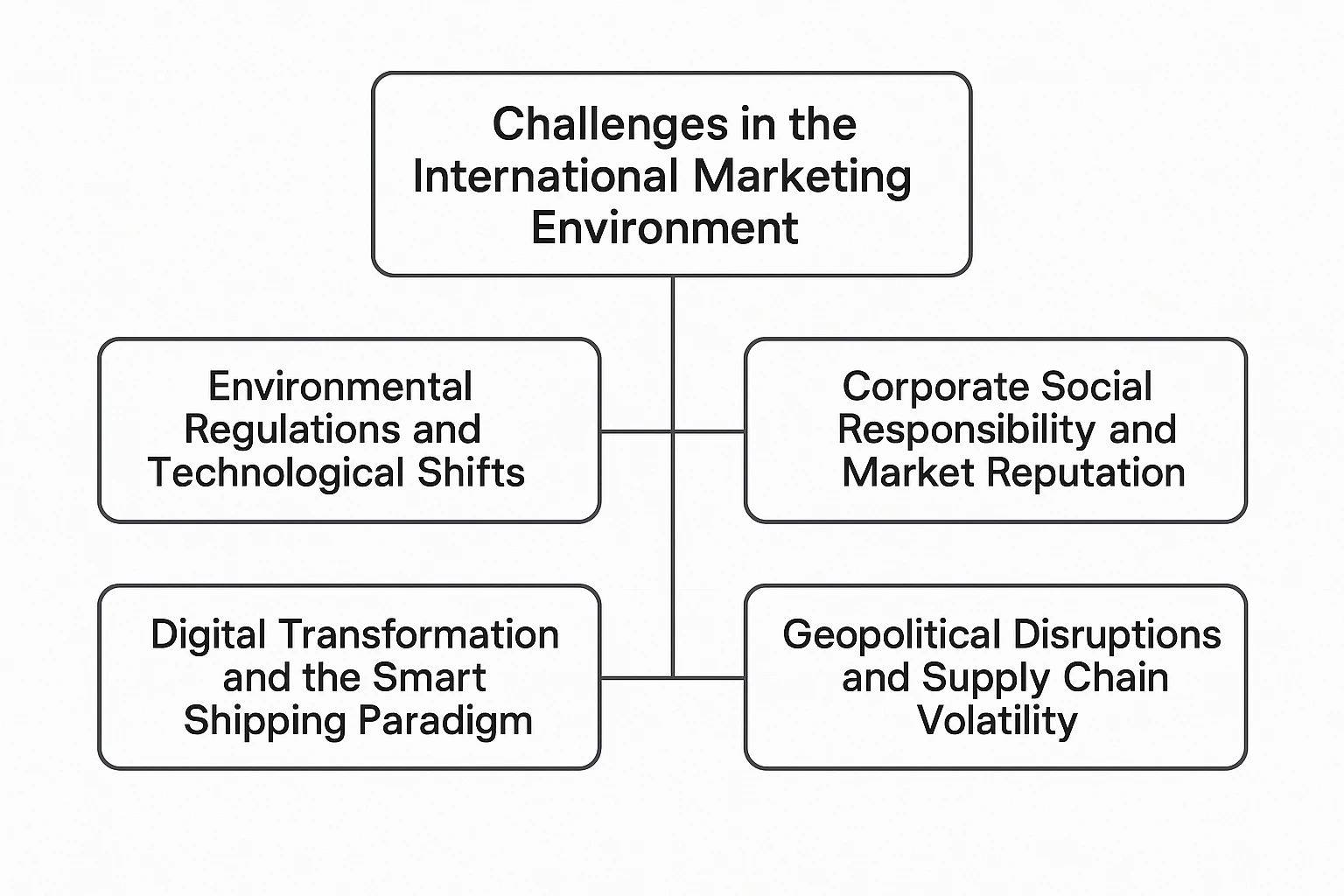
Figure 2: Challenges in Internation Marketing Environment
Secondary Analysis: Emerging Consumer Preferences and ESG Influence
According to a McKinsey report on ESG trends in the logistics sector made in 2023, more than 70% of corporate buyers of freight in Europe and North America are willing to work only with logistics partners who have provable sustainability records. The same can be said at Exmar, which gives credence to the fact that sustainability has to be integrated not only into operations but also into communication. B2B customer interfaces will be complemented by the integration of lifecycle assessments (LCAs) and sustainability performance dashboards to increase the trust of the client and highlight key points for further negotiations (O’Neill, 2024).
Exmar Shipmanagement, like many other maritime service providers, is faced with various challenges that are interrelated and exist in the global market as environmental rules and regulations, CSR standards, digitalization, and geopolitical risks. Concerning these factors, it would be possible to establish that the company should change its marketing strategy by developing digital transparency and incorporating themes of green innovation and CSR storytelling into its framework to strengthen its position on the global market. This knowledge, gathered from both the academic literature and from industry, will be used in the development of the strategic suggestions present in the latter parts of this report.
4. Background Analysis
Local, National, and Regional Marketing Approaches of Exmar Shipmanagement
Exmar Shipmanagement, based in Antwerp, undertakes a unique marketing mix at the local, national, and regional level in line with its company engages in the specialized liquefied gas shipping business. At the local level in Belgium, the company focuses on the relationship with the other stakeholders and with the maritime sector, participating in Belgian maritime clusters and innovation projects that involve Flanders Investment & Trade. Such an approach lets Exmar effectively build partnerships and supplier relations with universities, R&D centres, and regional energy startups. Nationally, its marketing concentrates on compliance and tailored positioning vis-à-vis the Belgian and EU maritime policy in terms of sustainability standards and maritime employees’ rights (Kumar and Ciddikie, 2023). Taking part in national and EU-level sustainability programs helps to maintain and develop the company’s brand image with clients and regulatory bodies. In the regional strategy, which is applied especially in the EU states of the EEA, these aspects are specified as regulatory positions of LNG, infrastructure, and flexible asset marketing. Marketing in Europe underscores a key firm capability of operating floating liquefaction as well as floating regasification, which is crucial in the European Union markets given the continuing geopolitical constraints to energy diversity (Chea, 2023).
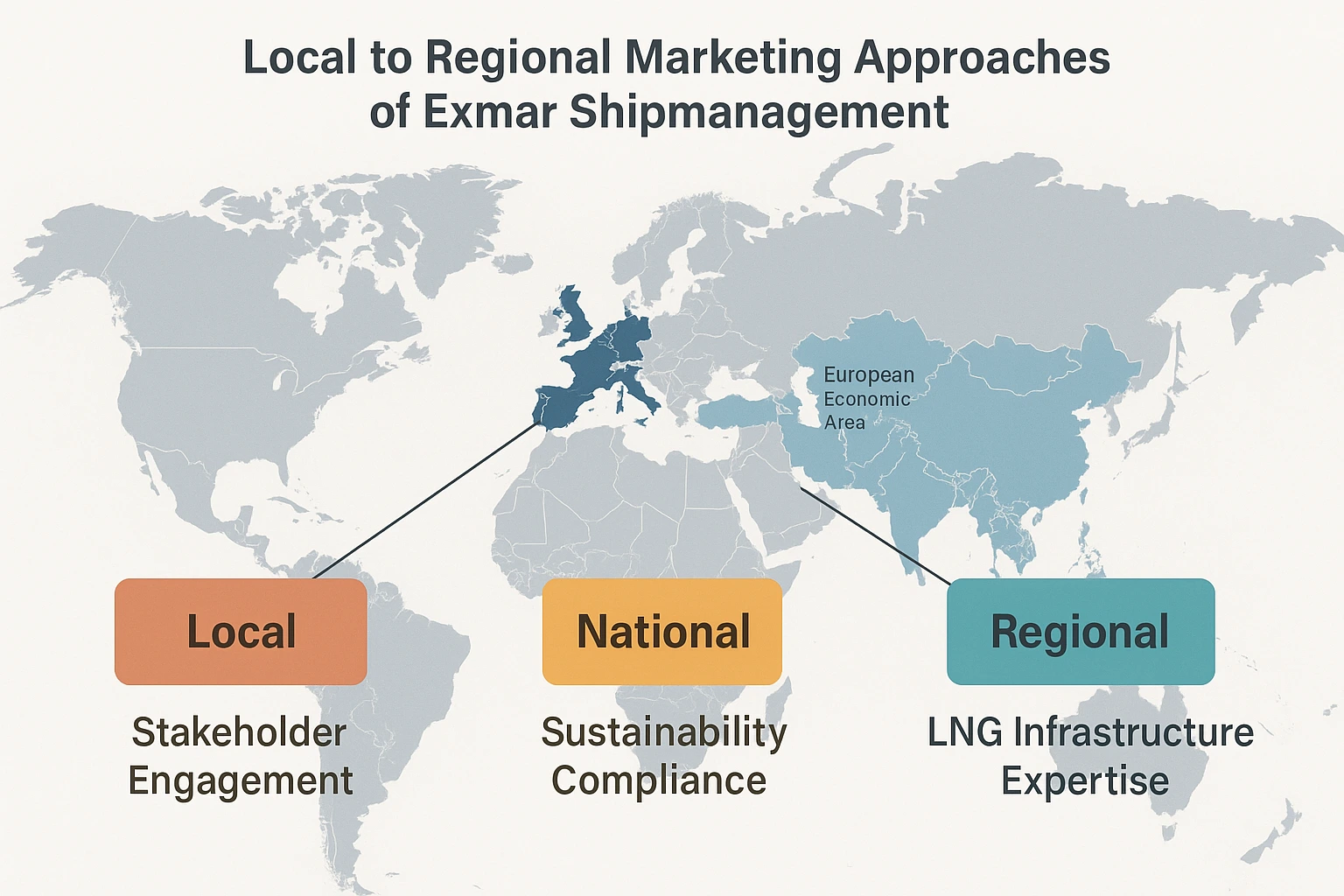
Figure 3: Local to Regional Marketing Approaches of Exmar Shipmanagement
Modes and Benefits of International Market Entry
Based on the same findings, Exmar Shipmanagement can be seen to have vast potential for growth in other world regions, especially in new LNG regions like West Africa, SEA, and LA. Three enabled entry modes for Exmar are joint venturing, exporting, and licensing entry. The current regulated sectors in, for instance, Nigeria or Indonesia, would be more easily accessed if Exmar entered into a joint venture with it, because this way market entry risks would be lowered and capabilities on technology and infrastructure could be shared. Lifted forecasted market share by 12–18% can be obtained in the locations where LNG infrastructure is still in progress (Divrik, 2023). Partnership with TotalEnergies or Petronas brings scale and credibility in the new markets. They help to make specific segmentation towards the government-driven initiatives in energy transformation programmes. For instance, an alliance to establish an offshore FLNG terminal in Africa would guarantee at least 10% market share of the regional market soon after three years of operation. As we can observe, a licensing entry is more capital intensive yet gives flexible control to Exmar in operations and branding, and is suitable for advanced maritime regions for growth like Singapore or Brazil (Schellenberg, Harker and Jafari, 2017).
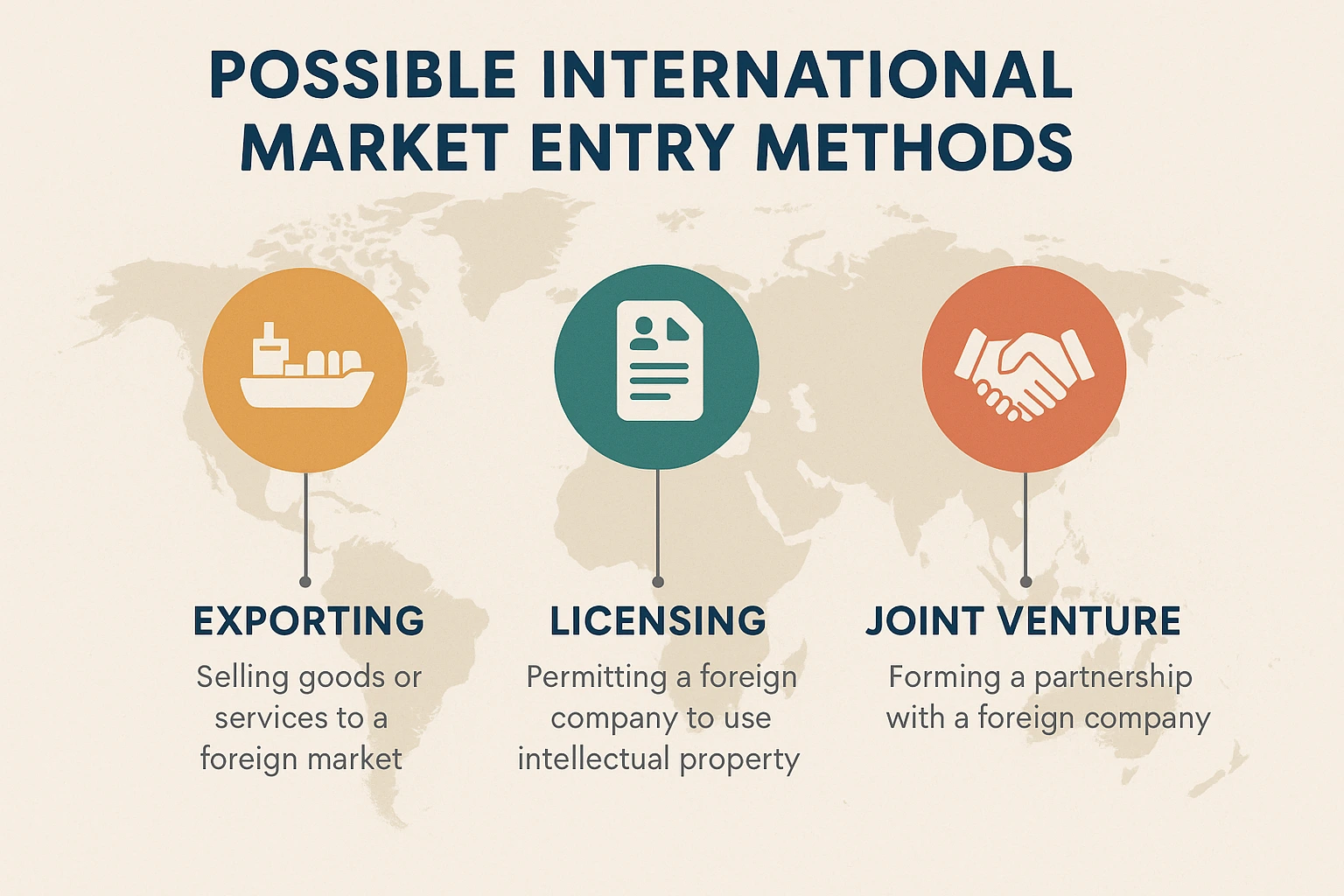
Figure 4: International Market Entry Options for Exmar Shipmanagement
Impacts of Dynamic Business Environment on Marketing Activities
The maritime sector has been facing considerable shifts influenced by the changes in environmental status and rules, the embrace of new technologies, and global shifts. Marketing management at Exmar is now faced with high expectations for its actions in the international markets, new maximum emission standards, and a program on green shipping. Further, the increasing focus on reducing the retention of fossil fuels and moving towards the use of cleaner fuels such as LNG and hydrogen fuels also accentuates the requirement for repositioning. Marketing management functions today require digital communication, real-time data analysis of the fleets, and mandatory ESG reporting (Kwon, 2021). The traditional model of B2B business development is changing towards transparent and evidence-based marketing, ensuring the presence of certificates, records of compliance, and other indicators of sustainability. Moreover, shipping disturbances such as port disruptions, trade sanctions, and piracy on transit routes have become inevitable, meaning that marketing teams have to consider contingency and flexibility expressly in terms of logistics within their communication portfolio. Marketing, therefore, serves a two-fold purpose of driving growth and managing risks associated with the relationship between the firm and the clients and regulatory bodies (Chen et al., 2025).
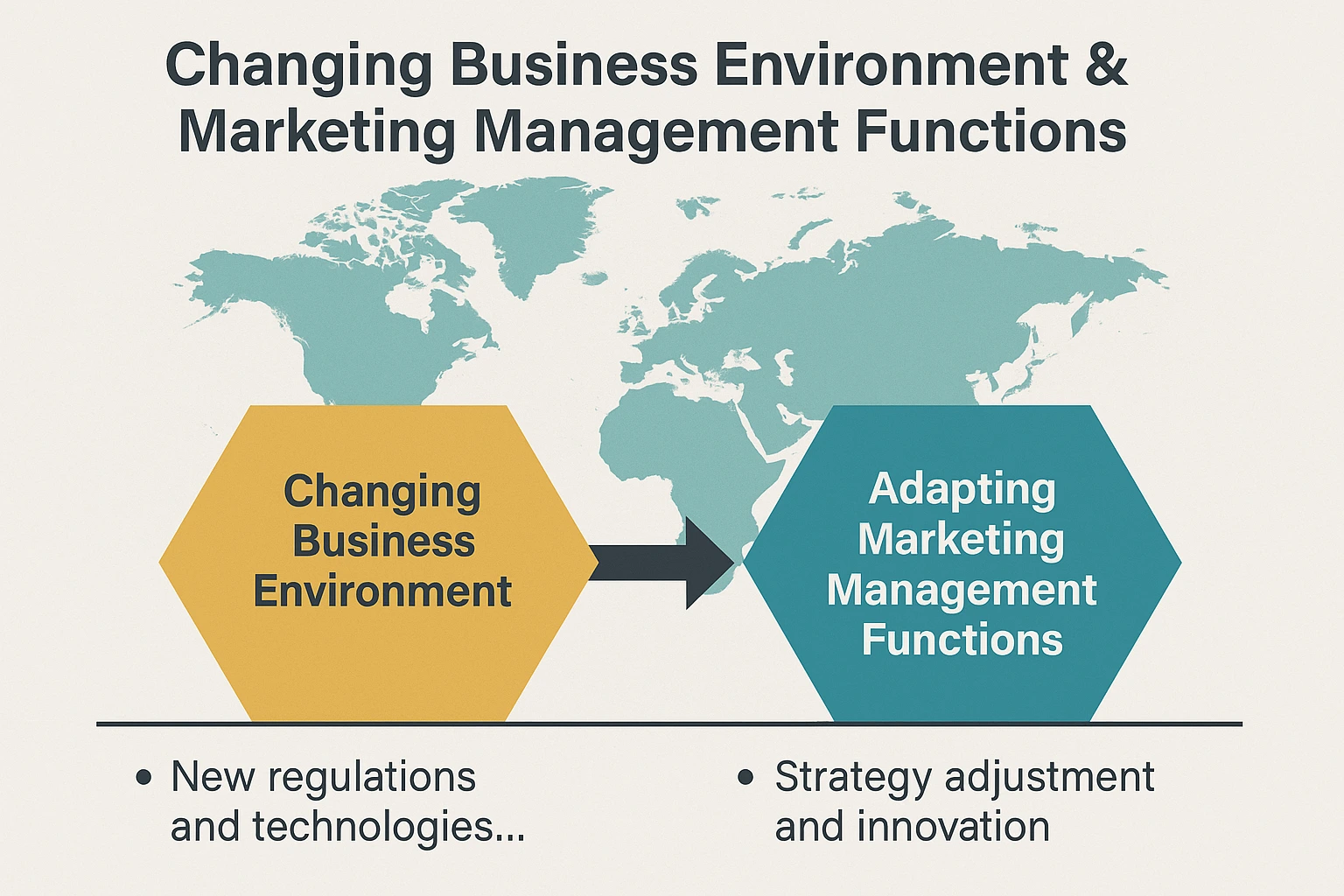
Figure 5: Impact of Business Environment on Marketing Functions
5. Application of Learning to Practice
This section helps bridge the gap between academic concepts and practical implementation, enabling a deeper understanding of how international marketing decisions are made in global industries.
a. Marketing Strategies
International Market Selection Using Marketing Theories and Principles
Choosing the right international market for EXMAR Shipmanagement is not simply a matter of finding a geographic spot. It means that there has to be harmonization with market forces and organisational resources. As a tool for the analysis of the competitiveness of international maritime markets, Porter’s Five Forces model is quite valuable. Through the bargaining power of buyers and suppliers, the threat of new entrants and substitutes, and the intensity of competitors within the industry, Exmar will be able to define where its added value in offering floating LNG infrastructure and ship management services is valuable and lucrative (Bruijl, 2018). For instance, the threats of new entrant in the case of Nigerian LNG market are medium since it requires lots of capital to enter the market, whereas the buyer power is on the rise due to state-led BOO LNG procurement programs. Similar to the previous analysis, supplier power is apparent with threats coming from the shipbuilders and technology providers of the floating LNG services, and conversely, the threat of substitutes can be considered negligible due to the specificity of the floating LNG services. However, competition remains moderate compared to the level of competition observed in the more mature LNG markets such as the Persian Gulf, that endowed with rivalry and therefore makes Nigeria more strategic. This means that under the right competitive conditions market is capable of delivering long-term return on investment. While comparing with PESTLE analysis, Porter pointed out more about the control of the value chain as well as the potential pressure that may confront Exmar upon its entry. This defines not only where to go but also how to make a contest. Other concepts like differentiation and market segmentation, and positioning are also key to this analysis since Exmar seeks to sell itself as a solution to environmental issues, besides presenting itself as the key player in the technical advancement of LNG shipping (Skrzypek and Ahmed, no date).
Application of Tools and Techniques to Inform Entry Methods into International Markets
Ansoff Matrix is a strategic management tool for identifying possible market entry strategies, which analyses growth opportunities regarding existing and new products and markets. For Exmar Shipmanagement, the most suitable area within the Ansoff Matrix is market development, where the company takes the existing services, such as the transportation of LNG, floating storage, and the RUs, to new markets. This strategy fits well within Exmar’s strategic capabilities and mitigates the inherent risk of managing product innovation while at the same time exploiting the steadily growing need for LNG in areas such as West Africa as well as Southeast Asia. Thus, through the help of the Ansoff Matrix, Exmar can determine which international markets are still in their growth stage in terms of floating LNG infrastructure, yet are rapidly increasing their strategic value (Martín, Chetty and Bai, 2021). For instance, Indonesia presents the opportunity for off-grid LNG regasification since the country comprises several islands and follows decarbonization regulations. In a similar vein, Nigeria’s aims at energy access and diversification are complementary to the renewable energy solutions offered by Exmar. Thus, this method enables the company to avert the cumbersome demands of diversification in which a completely new field of service or technology would be required. Market development also aids in the concept of segmentation and positioning as it enables the selection of the most attractive segments to target. They can capitalize on the fact that its foregrounded reputation relates to safety, environmental standards, and engineering to sell to government-sponsored LNG procurement initiatives and ministries of energy. The joint venture or public-private partnership entry modes are most appropriate for this quadrant because they allow the implementation at a local level and rely on Exmar’s technical skills (Planellas, 2019).
Development of Entry Criteria for the International Market for the Organisation
The Ansoff Matrix serves as the blueprint for building a set of strategic entry criteria for Exmar Shipmanagement to be conducted in line with its core business model and potential worldwide expansion. Based on the market development quadrant, the intelligent strategy for Exmar is to export the floating LNG infrastructure and ship management services that it has present in other regions. This strategy has a moderate risk and focuses on the company’s operational specialization, statutory compliance, and B2B clientele relationships (Issa et al., 2020).
One important criterion is the level of LNG market maturity – the chosen country must have increased demand for LNG infrastructure seen in transition policies or government investment into regasification stations. For example, Nigeria has been marked as a grade-A target because of its desired energy expansion and inherent interest in floating terminals. Likewise, Indonesia has opportunities that are accompanied by islands’ LNG delivery factors that provide complex solutions that have to be solved in the offshore).
Another criterion is regulatory alignment. This means that Exmar needs to make sure that there are favorable legal and maritime conditions of foreign investment, joint ventures, and environmentalism. ESG compliant markets are more suitable for Exmar because the company has prioritized sustainability in its brand (Ref et al., 2021).
Thirdly, strategy fit and partnership value are literally of immense importance. Ideally, the partnerships can work directly with the national oil companies or the authorities in charge of the port to overcome political and logistical challenges. Other components of this criterion are compatibility in operational standards, transparency in governance and local maritime workforce availability.
Finally, these issues relate to scalability and profitability: to obtain favourable results the prospective markets for large-scale application of FSRUs and more stable take-or-pay contracts should be selected. These criteria make certain that entry to the market is in congruency with the overall business strategy and risk management as anchored in the Ansoff Matrix (Watson et al., 2017).
b. Brand Management
Keller’s Brand Equity Model and Its Application to Exmar Shipmanagement
Keller’s Brand Equity Model, also referred to as the Customer-Based Brand Equity or CBBE, is an ideal framework for developing brand equity that is systematically arranged in four tiers: Brand identity refers to how a brand constructs its image within the minds of consumers, while brand meaning is the byproduct of the ways that consumers interpret a brand. Brand response as a concept focuses on the immediate consumer reaction to a brand or a specific message, while brand resonance is the trademark of the consumers’ long-term perceived impressions towards a brand. These stages are subsumed by six pillars: recognition, effectiveness, representation, evaluation, emotion, and vibration. When applying this model to Exmar Shipmanagement as a B2B service provider in the LNG shipping market, brand equity refers to the extent to which the company’s brand is associated with visibility in consumer goods sectors rather than in the sectors that the company operates in, such as TotalEnergies, Shell, and state-owned energy firms (Kuhn, Alpert and Pope, 2008).
The brand awareness for Exmar at the base level is created through several means; Industry events Shedding its workload, over the years Exmar has investment in engineering innovation. This salience is western-oriented but not in terms of the consumers, but within the energy logistics structures. operation capability, environmental responsibility, and reliability of vessels and floating structures are the major brand indicators of Exmar’s brand. This is because it cultivates trust between the clients who require constant uptime and reduces emissions in the global LNG supply (Kuhn, Alpert and Pope, 2008).
Brand imagery, as is less obvious in B2C, is established through such means as sustainable marine engineering, digital ship tracking, and long-term partnerships with other stakeholders. As can be seen in the views of the clients in the judgment and feeling stage, Exmar is associated with innovation, reliability, and safety. These perceptions are developed through indicators such as vessel reliability, number of operating days without incident, and emissions. Last but not least, brand resonance builds up with long-term agreements, customers’ repeat patronization, and a partnership approach. This shows a high level of commitment and identification with the brand's functional and ethical standards (Ćorić and Jelić, 2015).
Psychological and Sociological Factors Influencing Consumer Decision Making in B2B LNG Shipping
- Trust and Risk Perception (Psychological): LNG logistics B2B clients’ counterparties remain protective of managing risks based on the findings of the study. This study focuses on how service safety, legal requirements, and continued service influence the decision of the procurement officers. Specific to this criterion, in the case where a company is categorised as a ‘high risk’ firm based on previous accidents or poor records on emissions, price competitiveness alone cannot save the position.
- Brand Reputation and Expertise (Sociological): This indicates that those seeking to make a decision on which company to work with are more likely to be influenced by the status of the industrial sector, presence in trade magazines, and other recommendations from their peers (Roy and Sachdeva, 2024).
- Cognitive Dissonance and Organizational Learning (Psychological): One of the major factors of the decision to adhere to a company is after-sales experience as well as organizational memory. In a given instance, cognitive dissonance can result to justification or rejection of the service provider the next time a client is making a decision to purchase the service.
- Cultural and Political Compatibility (Sociological): The driving factor is sociocultural alignment in different business environments, especially in the Asian and African continents. This extends to governance structures, and even possible communication methods as well as focusing on recruitment and employment of locals (Leonov, 2023).
Formulating a Brand Strategy for Exmar in the International Marketplace
When it comes to the detailed analysis of the strategy of Exmar Shipmanagement on the international level, it is crucial to take into account the peculiarities of brand management and the most common influential factors affecting B2B clients’ decision-making process. Being a company that specializes in LNG transportation and floating infrastructure, Exmar is in a field where lives are at stake, and safety is the ultimate brand value. The first element is credibility-driven positioning, with Exmar using its engineering competencies, such as the Caribbean FLNG unit, to offer evidence of its capacity and capability. This should be underpinned by white papers, keynote speeches at relevant maritime energy forums, and participation in international regulation debates to showcase Exmar’s leadership in the setting up of standards. These touchpoints build brand prominence and authority in the early stages of the buying decision (Bednarski et al., 2023).
Secondly, the brand has to be unconditionally powered by operational credibility. It was observed that several clients in the international market make decisions with a concern for the risk perceived. Key performance indicators KPI cover areas like vessel availability, emissions, and safety of the crews onboard, and the results should be made available through the use of marvellous features such as interactive dashboards and performance reports. As with most things in life, trust is developed when facts support the marketing-related statements.
Third, give particular attention to the sociocultural factors: lifetime engagement is most effective when it is localized. This involves developing joint branding campaigns with local stakeholders, adopting more appropriate images and messages, and using project leaders who speak the native language. This sociological adaptation creates cultivation and makes Exmar closer to the image of a friendly contractor rather than an unfamiliar and distant one (Bednarski et al., 2023).
Last but not least, Exmar should adopt a global brand management system to monitor the sentiment, proposal conversion, and the feedback from the clients all over the world. This closed-loop system thus allows for positive changes based on data as well as brand standardization.
c. New Product Development
The strengths and weaknesses of the organisation’s new product development process
| Strengths | Explanation |
|---|---|
| Technical Innovation Capacity | Exmar has a proven track record in maritime engineering, exemplified by its development of the world’s first FLNG (Floating Liquefied Natural Gas) unit. This capacity enables pioneering solutions in offshore gas transport and regasification. |
| Strategic Industry Partnerships | The organization benefits from strong alliances with global energy firms such as TotalEnergies and Shell. These partnerships facilitate knowledge sharing and provide reliable platforms for pilot-testing new maritime technologies. |
| Compliance-Oriented R&D | Exmar's R&D process integrates international maritime safety and environmental regulations, ensuring that products like floating infrastructure units meet the most stringent legal and operational standards. |
| Weaknesses | Explanation |
| Capital Intensive Prototyping | NPD projects involve high capital investment, making small-scale testing or rapid prototyping difficult, which can delay innovation cycles. |
| Limited Market Responsiveness | The long lead times and complexity of product design in LNG shipping make Exmar less responsive to fast-changing market demands compared to more agile logistics firms. |
| Geographically Concentrated Innovation | Most R&D activities are centralized in Belgium, limiting regional customization or responsiveness to local market-specific needs in Asia or Africa (Leonov, 2023). |
Recommendations for an International Marketing Strategy for Exmar Shipmanagement
For Exmar Shipmanagement to succeed in the international marketplace, it must come up with a marketing strategy that helps it to gain more visibility, reliability, and convenience regarding the shift in energy markets in different regions. The first is perhaps the division that should be established geographically regionally. It includes the customization of product answers for particular markets like SE Asia, W A and SA. For example, in West Africa, where the energy infrastructure is still relatively new, marketing should focus on the use of off-shore LNG, a naturally floating terminus, a perfect solution for the country with a minimum pipeline network (Chea, 2023).
Second, Exmar should increase its thought leadership and disclosures in the digital context. To restore the trust of institutional investors, investment firms must publish IPerformance Dashboards for client-facing interactive and textual presentation of ESG compliance data and accomplishments. This clarity excites global energy firms in searching for accurate and environment-related partners.
Third, it should involve partnering with some local or national brands that are strategic. To avoid such barriers, Exmar can establish a partnership with a local energy firm or the authority of maritime and regional ports. This also helps in developing a culturally rich brand message for the target markets.
Further, having regional business development centres like Lagos, Jakarta or São Paulo would enhance region’s attentiveness and effective interaction with the stakeholders.
Lastly, the overall B2B influencer engagement using affiliations that involve conferences, trade missions, and policy fora can help Exmar to be recognized as a leader in the provision of floating infrastructure. To sum up, all the recommendations constitute a comprehensive marketing strategy that would ensure long-term growth of the company in the global market while solidifying its market position as Exmar’s primary player in the LNG logistics domain. (Ćorić and Jelić, 2015)
International marketing plan for the launch of a new product/service
Objective:
To promote a new product of Exmar Shipmanagement, the Floating Hydrogen Storage & Transport Unit (FHSTU) in selected global markets while making Exmar Shipmanagement the provider of a clean energy solution by Q4 of the year 2026.
Target Markets:
At first deployment will be located in three areas with emerging hydrogenisation: Seoul, Japan and the Netherlands. These markets have set ambitious targets on the use of hydrogen, boasting of large and ready infrastructure support and government support.
Positioning Strategy:
The FHSTU will be positioned and marketed as the first mover in a green hydrogen logistics network capable of operating offshore. The value proposition focuses on the company’s engineering capabilities, compliance as well as an environment-friendly approach.
Marketing Channels:
The campaign will be conducted by the B2B digital platforms, Print media in trade magazines and journals, at energy transition exhibition & conferences such as the Hydrogen Expo Japan, and on the company’s LinkedIn targeting procurement managers and authorities from the energy sector and ports. These will include technical webinars as well as white papers to drive thoughts leadership (Bruijl, 2018).
Timescales and Key Actions:
- Q3 2025: Equipment, control system, and HMI Development and third-party compliance Certification for the final prototype (R&D Team)
- Q1 2026: A soft launch can be achieved by creating whitepapers and teaser collaborations so that the company can create an audience from the M&S team.
- Q2 2026: Organization of digital campaigns to facilitate the expansion of the company’s reach, and participating in the hydrogen trade fairs of the regions (RSUs).
- Q3 2026: Client demo implementation and making presentation to sell the service proposal (Business Development team).
- Q4 2026: Official and actual start-up by on-site implementation in a pilot market such as the Rotterdam harbor
KPIs:
Gain 50 initial contacts within the region of interest and achieve 15% of contacts signing potential contracts in up to 6 months; achieve a total of 2 commercial, pre-commercial, or trial implementations by Q1 of 2027.
If you need clear guidance or support to complete your HX40 04 International Marketing Management assignment effectively, our academic assistance service provides structured, easy-to-understand help tailored to international marketing topics. Our experts deliver well-researched, plagiarism-free content designed to simplify complex concepts such as global market entry, branding strategies, and competitive analysis.
Whether you need guidance on understanding concepts or support in developing a well-structured assignment, Native Assignment Help ensures clear explanations, quality writing, and properly referenced work. This makes it easier for students to improve their understanding, enhance writing skills, and complete their assignments with confidence.
6. Recommendations and Conclusion
Conclusion
As highlighted in this report, this company excels at international marketing since it focuses on maritime gas logistics and innovation, such as LNG and new-energy floating structures. The study started with the description of the current operating model, size, markets, and services that Exmar offers, as well as the literature review that is concerned with the regulatory, technological, and environmental pressures in the global shipping industry. Based on the regimented analysis of academic papers and Exmar records, it can be pointed out that the company stands at the crossroads of variety and change, particularly in such geographical regions as Southeast Asia and West Africa.
Explaining the impact of each of the brand equities in the context of the B2B LNG logistics, the use of Keller’s Brand Equity Model was deemed effective. Combined with the Ansoff Matrix and Porter’s Five Forces, it has been identified that, out of the four categories of strategic moves, the market development strategies, namely, offering existing services in new regions, are more suitable for Exmar in setting its international strategy. A thorough understanding of psychological and sociological attributes, risk perception, brand trust, social proof, and cultural compatibility also came to light to explain how decisions to purchase are made across the global energy procurement process.
Recommendation
- Adopt a Region-Specific Marketing Strategy – Adapt value propositions and communication to reflect the state of energy policies and infrastructures in the regions and respective countries.
- Build awareness and credibility of offerings – Whitepapers, become an event sponsor for ESG events, and promote case studies.
- Partner with Domestic Companies – Partnering with domestic energy firms will increase the level of acceptance, better access, and shared cultural preference.
- Invest in Satellite Business Development Units – Having separate offices also provides responsiveness and builds regional relationships.
- Utilize ESG Transparency and Compliance – Categorize compliance accreditations and numbers as a sign of environmental friendliness to appeal to the growing customer base and regulatory bodies.
References
- Bardoux, C. (2025) CSR in Maritime Freight : Can economic growth and pollution reduction coexist, Bachelor’s thesis. thesis. JAMK University of Applied Sciences.
- Bednarski, L. et al. (2023) 'Geopolitical disruptions in global supply chains: a state-of-the-art literature review,' Production Planning & Control, pp. 1–27. https://doi.org/10.1080/09537287.2023.2286283.
- Bruijl, G.H.Th. (2018) 'The relevance of Porter’s five forces in today’s innovative and changing business environment,' SSRN Electronic Journal [Preprint]. https://doi.org/10.2139/ssrn.3192207.
- Chea, A.C. (2023) 'Global Marketing: Emerging market economies’ challenges, opportunities and Effective Marketing Strategy for success,' Business and Economic Research, 13(4), p. 103. https://doi.org/10.5296/ber.v13i4.21482.
- Chen, S. et al. (2025) 'Dynamic effects of maritime risk on macroeconomic and global maritime economic activity,' Transport Policy [Preprint]. https://doi.org/10.1016/j.tranpol.2025.03.035.
- Ćorić, D.S. and Jelić, D. (2015) 'Applicability of Keller’s brand equity model in the B2B chemical market,' Economic Research-Ekonomska Istraživanja, 28(1), pp. 1006–1017. https://doi.org/10.1080/1331677x.2015.1100841.
- Di Studi Umanistici, D., Psicologiche, A.Min. 11-S.S.F., Pedagogiche E. and Psicologiche, A.Min. 11-S.S.F., Pedagogiche E. (2024) A TRANSDISCIPLINARY APPROACH FOR ASSESSING ALTERNATIVE FUELS IN SHIPPING. https://hdl.handle.net/11588/991351.
- Divrik, B. (2023) 'International Market Entry Strategies,' in Advances in marketing, customer relationship management, and e-services book series, pp. 1–10. https://doi.org/10.4018/978-1-6684-6613-1.ch001.
- Expertises Archive | ExMar (no date). https://exmar.com/en/expertises/.
- Frederik (2025a) About EXMAR | ExMar. https://exmar.com/en/about-exmar/.
- Frederik (2025b) Welcome to EXMAR | Exmar. https://exmar.com/en/.
- Issa, Tomayess et al. (2020) Sustainability awareness and green Information technologies. Springer Nature.
- Kuhn, K.L., Alpert, F. and Pope, N.K.Ll. (2008) 'An application of Keller’s brand equity model in a B2B context,' Qualitative Market Research an International Journal, 11(1), pp. 40–58. https://doi.org/10.1108/13522750810845540.
- Kumar, A. and Ciddikie, M.D. (eds) (2023) Marketing Strategies and challenges for emerging markets. Bharti Publications. https://www.researchgate.net/publication/372915021.
- Kwon, Y.-C. (2021) 'Impacts of dynamic marketing capabilities on performance in exporting,' Open Journal of Business and Management, 09(05), pp. 2119–2135. https://doi.org/10.4236/ojbm.2021.95112.
- Leonov, Y. (2023) 'Analysis of the Influence of Psychological Factors on Consumer behavior and the Decision-making Process,' Economic Affairs, 68(3). https://doi.org/10.46852/0424-2513.3.2023.29.
- Martín, O.M., Chetty, S. and Bai, W. (2021) 'Foreign market entry knowledge and international performance: The mediating role of international market selection and network capability,' Journal of World Business, 57(2), p. 101266. https://doi.org/10.1016/j.jwb.2021.101266.
- Nisiforou, O. et al. (2025) Sustainable fleet operations through integrated optimization under techno-economic shipping and environmental constraints, Working Paper Series. DEPARTMENT OF INTERNATIONAL AND EUROPEAN ECONOMIC STUDIES, ATHENS UNIVERSITY OF ECONOMICS AND BUSINESS.
- O’Neill, K. (2024) ESG and Sustainability: Charting a New Course for Maritime Infrastructure. https://www.luciongroup.com/news/esg-maritime-infrastructure/.
- Planellas, M. (2019) Strategic decisions: The 30 Most Useful Models. Cambridge University Press.
- Ref, O. et al. (2021) 'Entry into new foreign markets: Performance feedback and opportunity costs,' Journal of World Business, 56(6), p. 101258. https://doi.org/10.1016/j.jwb.2021.101258.
- Roy, J. and Sachdeva, L. (2024) 'Psychological factors impacting the consumer behaviour of customers,' Journal of Lifestyle and SDGs Review, 4(4), p. e03617. https://doi.org/10.47172/2965-730x.sdgsreview.v4.n04.pe03617.
- Saverys, N. and Saverys, C.-A. (no date) The Baths at Ostend.
- Schellenberg, M., Harker, M.J. and Jafari, A. (2017) 'International market entry mode – a systematic literature review,' Journal of Strategic Marketing, 26(7), pp. 601–627. https://doi.org/10.1080/0965254x.2017.1339114.
- Ship Management – Exmar (no date). https://exmar.com/en/expertises/exmar-ship-management/.
- Skrzypek, S. and Ahmed (no date) International Marketing, International Marketing, pp. 3–4.
- Watson, G.F. et al. (2017) 'International Market entry Strategies: Relational, digital, and hybrid approaches,' Journal of International Marketing, 26(1), pp. 30–60. https://doi.org/10.1509/jim.17.0034.
Go Through the Best and FREE Samples Written by Our Academic Experts!
Native Assignment Help. (2026). Retrieved from:
https://www.nativeassignmenthelp.co.uk/hx40-04-international-marketing-management-assignment-sample-51885
Native Assignment Help, (2026),
https://www.nativeassignmenthelp.co.uk/hx40-04-international-marketing-management-assignment-sample-51885
Native Assignment Help (2026) [Online]. Retrieved from:
https://www.nativeassignmenthelp.co.uk/hx40-04-international-marketing-management-assignment-sample-51885
Native Assignment Help. (Native Assignment Help, 2026)
https://www.nativeassignmenthelp.co.uk/hx40-04-international-marketing-management-assignment-sample-51885
- FreeDownload - 40 TimesUnit 506: Developing, Using and Organising Resources in a Specialist Area Assignment Sample
Unit:506: Developing, Using and Organising Resources in a Specialist Area...View or download
- FreeDownload - 44 TimesDiscuss How Work Defines Us In The UK And The Changes To The Working Practices Overtime Since The Industrial Revolution Assignment Sample
Introduction - Discuss How Work Defines Us In The UK And The Changes To...View or download
- FreeDownload - 40 TimesAnalysis, Interpretation And Presentation Of Data Assignment Sample
1. Introduction: Analysis, Interpretation And Presentation Of Data The concept...View or download
- FreeDownload - 41 TimesBusiness Analytics & Management Assignment Example
Introduction: Business Analytics Assignment E-cycle is one of the specialized...View or download
- FreeDownload - 39 TimesBusiness Assignment Sample
Introduction-Business In order to interpret the growing interdependence of the...View or download
- FreeDownload - 37 TimesPortfolio Assessment Assignment Sample
Portfolio Assessment Assignment Sample Introduction: Overview of the...View or download
-
100% Confidential
Your personal details and order information are kept completely private with our strict confidentiality policy.
-
On-Time Delivery
Receive your assignment exactly within the promised deadline—no delays, ever.
-
Native British Writers
Get your work crafted by highly-skilled native UK writers with strong academic expertise.
-
A+ Quality Assignments
We deliver top-notch, well-researched, and perfectly structured assignments to help you secure the highest grades.