
1.0 Introduction
“Thrombotic thrombocytopenic purpura” is not common but it can be fatal. Pregnancy can usually cause similar symptoms to other conditions which hampers the diagnostic process. So, the following section outlines how care is coordinated for the safety of both the baby and the mother during pregnancy.
For students working on complex healthcare and clinical case studies, Assignment Help can provide support with structuring evidence-based discussions, analysing clinical findings and presenting academic arguments clearly. Native Assignment Help can also help students understand how to organise case presentations, investigations, differential diagnoses, treatment approaches and outcomes according to academic requirements.
2.0 Discussion
2.1 Summary of outcome and case presentation
In this report, a pregnant woman at 30 years old developed “thrombotic thrombocytopenic purpura (TTP)” during her third trimester. She was brought to the hospital experiencing rapid “heartbeats, mouth bleeding” and extremely low levels of platelets. It was initially hard to diagnose her because her symptoms were like those seen in “HELLP syndrome” and “preeclampsia”. An emergency “C-section” was done since there were worries about the mother and the baby [1]. After the baby was delivered, more tests confirmed TTP and a very low level of “ADAMTS13”. Plasma exchange, steroids and other types of medicines were given to the patient to address the clotting. Then, she developed some infections and problems with the antibiotics after the surgery, all of which were dealt with effectively. She got better and was allowed to leave the hospital in a good condition. This case highlights the need for early recognition of TTP in pregnancy and for teams to work together and also the importance of continued care after the baby is born.
2.2 Background
“Thrombotic thrombocytopenic purpura (TTP)” is a blood disorder that occurs rarely, but it is serious. When blood clots are formed in “small blood vessels”, it can bring about “low platelets”, damage to blood cells and issues in the “brain and kidneys” [2]. Most cases happen due to not having enough of the “enzyme ADAMTS13”. It is responsible for overseeing how the blood clots. If the protein is not present or blocked by antibodies, there is too much of a large protein called “von Willebrand factor” which causes “abnormal blood clotting”.
It is uncommon for the general population to have TTP and it is even more uncommon in pregnant women. About 1 pregnancy out of every 25,000 ends in twinning. Both the mother and the baby are risked if the disease is not treated promptly.
Differentiating TTP from other pregnancy issues like “preeclampsia and HELLP syndrome” can be challenging because both involve “low platelets and high blood pressure”. In a lot of cases, symptoms of TTP are not obvious in the beginning. As a result, patients might not receive timely diagnoses and treatments which makes serious problems, including death, more likely. The main plan of treatment is to use “plasma exchange” which takes away the unsafe substances and injects the missing enzyme back into the blood [3]. Various drugs such as “steroids, rituximab and caplacizumab”, are given to control the disease and decrease the chance of it happening again. It is significant because the case report shows that TTP can develop unexpectedly in pregnant women with no previous history. It points out the importance of spotting the problem early, testing correctly and giving fast treatment. It demonstrates how teamwork between different medical specialists is needed to oversee this uncommon and difficult condition. The case study helps improve the care approach for similar occurrences.
2.3 Case presentation
A woman at around 29 years old came to the emergency room with “palpitations, trouble breathing and blood dripping” from her mouth. She additionally mentioned having “numbness in her right hand” and feeling a heaviness in her chest. She did not report “fever or abdominal pain” but she did complain about swollen feet and tiredness. There were no abnormalities in the baby’s movements.
She had a previous caesarean section during her first pregnancy due to fetal distress. Back in her first pregnancy, she needed a caesarean section as fetal distress was noted. There were complications with the pregnancy because of “low pregnancy-related hormones” and high “body mass index”. She never had a history of blood disorders within her personal or family background. She was not a smoker or a drinker of alcohol [4]. Her partner was with her and she had just one child. Because of her medical history, she visited the “antenatal clinic” often while pregnant with her twin babies. All the previous scans pointed to a healthy baby with normal size and growth, but the tests showed that she was constantly passing small amounts of “protein in the urine”. Her last a few weeks showed more “pelvic pain, growing tired and feeling pain in the chest”. She started feeling anxious and weak because of her symptoms.
On admission to the hospital, Estella’s blood pressure and pulse were normal. “Platelet testing” showed her level was 9 × 10⁹ per litre which is very low, but she had no bruises or red spots on her body [5]. Normally, the tests on the kidneys and liver were fine, but damage to the red blood cells was visible. A blood smear done on peripheral blood proved that there are fragmented red cells present.
There were small changes seen on the “electrocardiogram and the echocardiogram” showed normal results. The amount of protein in the urine was high. Because of the very low platelet level, the presence of protein in the urine and the red cell problems, doctors thought the patient might have a rare disorder involving blood clotting [6]. Because of the problem, an emergency “caesarean section” was performed to safeguard the health of mother and baby. A healthy baby girl was born and the mother went for additional treatments at the hospital. Further examinations proved the patient had “thrombotic thrombocytopenic purpura”.
2.4 Investigations
Laboratory Tests Carried Out at First
A number of blood tests were done when the patient was brought to the emergency department to find out the reason for her symptoms. It was found that her platelets were “only 9 × 10⁹ per litre” which is very low. It was way below the average and gave cause for serious concern. Since her “haemoglobin” was down, it looked like red blood cells in her body were breaking apart.
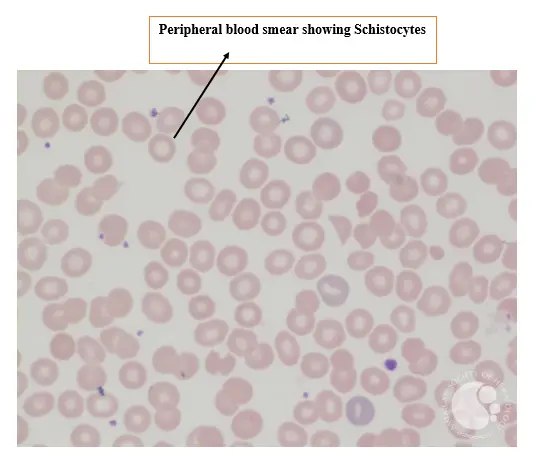
Figure 1: “Fragmented red blood cells picture of TTP”
“Schistocytes” were observed in the blood smear which indicated there were “fragmented red blood cells”. It suggested the possibility of a disease that can damage "blood vessels and red blood cells” such as “thrombotic thrombocytopenic purpura”. “White blood cells and clotting” were normal in her tests. “Prothrombin time and activated partial thromboplastin time” were in the normal range on blood clotting tests which made it less likely that DIC was present. Having a normal fibrinogen level is uncommon in serious blood clotting conditions but usually observed in “thrombotic thrombocytopenic purpura” [7]. There was no concern about her liver and kidneys and the results for lactate dehydrogenase came back higher than normal. Usually, tissue or cell damage is suggested by a high level of “lactate dehydrogenase” and is frequently observed in “thrombotic microangiopathy”. Because her bilirubin was slightly above the normal range, this pointed to a breakdown of “red blood cells”.
Protein was found in a high level when a urine test was performed on this visit and it was also noticed in the previous “antenatal appointments”. Also, the urine was slightly blood-tinged. There were less conclusions drawn for particular cases, as these findings were taken into account as part of the bigger picture. There were no indications of infection or fever for the patient yet. Normal blood pressure levels meant that other serious issues such as “preeclampsia or HELLP syndrome” were not very likely.
“Electrocardiogram tests and Echocardiograms”
An “electrocardiogram (ECG) and an echocardiogram” are popular tests. Since the patient felt discomfort in their chest and heart flutters, an electrocardiogram was ordered. On the test results, the ST segment was concave and had a “small notch in the QRS section” which is usually not seen in a “heart attack case”. No sudden damage to the heart muscle was seen. An echocardiogram was done to examine her heart more closely [8]. The results indicated that her “heart chambers and valves” looked healthy and no fluid was seen nearby. Her heart was healthy which made the team believe her symptoms were not caused by a heart problem.
The diagnosis for the “ADAMTS13 Testing”
In this case, testing the activity of “ADAMTS13” was one of the most significant parts. The test was used to see if “thrombotic thrombocytopenic purpura” was a possible diagnosis. The analysis showed very little “ADAMTS13 activity” in her blood which made the diagnosis of acquired “thrombotic thrombocytopenic purpura certain” [9]. As the test took some time, doctors decided immediately to start treatment based on how severe her symptoms were and what they learned at the first appointment. Her doctors found that because of the “weak enzyme level”, it made sense why her platelets were low and her red cells were hurting.
“Microbiology tests and infectious disease tests”
After the emergency surgery, there were signs of infection at where the surgeon had operated. Wound samples and blood cultures were collected. There were various bacteria detected in the wounded area, including “Proteus mirabilis, Enterobacter aerogenes and Peptostreptococcus anaerobius”. Antibiotics were used to treat these infections directly. “Staphylococcus epidermidis” was found in the blood cultures and it might have come from their skin or from their “intravenous line”. Because of these bacteria, new antibiotics had to be used [10]. After the sensitivity reports were ready, the patient received “antibiotics through an IV” and then continued taking them by mouth. At some stage, the patient experienced an allergic reaction to flucloxacillin. She told me that she felt a sharp pain behind her eyes, her eyes became watery and she could taste something awful. It occurred very quickly and led doctors to stop the treatment right away. She was given alternative antibiotics following that which were better for her stomach.
The “imagine studies”
Due to discomfort and swelling near her right arm cannula site, it was decided to perform an “ultrasound scan”. The ultrasound revealed a blood clot in a “superficial vein” which was close to some deeper veins but did not enter them [11]. To stop any more clots from occurring, the patient was started on blood thinners. Another ultrasound of the abdomen was done to check the condition of her “caesarean incision”. The scan found that fluid was gathered under her skin which was causing the fluid to leak from her wound. The small fluid collection was treated just by using dressings and antibiotics.
A scan of her lungs was requested since her breathing pain was increasing. A “computed tomography pulmonary angiogram” was done to look for any signs of a lung blood clot. The results from the scan indicated no presence of blood clots in the lungs and the pain was therefore probably caused by “swelling or injury”. Kidney function was checked and found to be mildly off which improved as she was hydrated and given treatment.
Complications and Misinterpretation
Some tests like “ADAMTS13 enzyme activity” may not be immediately offered at every hospital and could take time to complete. The choice of procedure reduced the chance of delays and minimized any possible serious complication [12]. Other findings such as the “blood smear and lactate dehydrogenase”, provided useful results, but they should be studied by an expert. By using imaging tests, many hidden issues such as “fluid build-up and blood clots”, were found that did not show up clearly during a physical examination. Blood exams, listening to the heart, imaging and careful medical evaluation made it possible to correctly diagnose and decide on treatment.
2.5 Differential types of relevant diagnosis
At first, the patient had some symptoms that could suggest a variety of conditions. Patient’s symptoms were: “shortness of breath, pain in the chest, bleeding in the mouth, swollen hands” and feet and feeling tired. She had very few platelets and her “red blood cells” were getting damaged. No single reason was clear for these changes. Specialists looked at various conditions to identify the main diagnosis [13]. The initial thing checked was whether the patient had “preeclampsia”. Many pregnant women experience this and may show signs of “high blood pressure”, protein in their “urine and low platelets”. However, the patient’s “blood pressure” was not high and she did not report any “headache, blurry vision or pain” in the rib area which would happen in preeclampsia. Because of these test results, the doctors thought it was unlikely that preeclampsia was causing her problems.
Another possibility was “HELLP syndrome” which is serious and related to preeclampsia. HELLP means there is hemolysis, the liver enzymes are elevated and the level of platelets is low. The result may also include harm to “red blood cells” and “low platelet levels” [14]. Her liver enzymes were fine and she showed no other hints of liver disease, including “abdominal pains” on the right side. Because the other test results showed no signs of the illness, it seemed that “HELLP syndrome” wasn’t a likely cause even though the platelet count was low.
“Immune thrombocytopenic purpura” was also a possible diagnosis. The body’s immune system, in this situation, attacks and destroys platelets. Many people with this disease have “bruising, frequent nosebleeds or bleeding gums”. Still, this patient was not found to have any bruises and no known bleeding problems. In addition, her “red blood cells” were becoming damaged which is unusual for “immune thrombocytopenic purpura”. That is why the diagnosis didn’t clarify all of her problems. “Thrombotic thrombocytopenic purpura” was ultimately thought to be a possible cause.
As a result, people may develop low platelets, problems with “red blood cells” and signs and symptoms similar to this patient. Examination of her blood showed that her cells were damaged and a specific test found that her “ADAMTS13 level” was much lower than usual. As a result of the lab tests, the doctor confirmed the diagnosis of “thrombotic thrombocytopenic purpura”. As the condition is very serious, doctors started treatment immediately until the test results were available. Giving her inhalation therapy quickly helped to maintain her health and resulted in better outcome.
2.6 The relevant treatment
Doctors performed an emergency caesarean because they were worried about both the mother’s and baby’s health. The procedure was performed while the baby was under general “anaesthesia” with the use of the “rapid-sequence induction method”. Just after delivery, the mother was under close supervision in a critical care area. Since “thrombotic thrombocytopenic purpura” was suspected, the medical team started treatment even before the final “enzyme test result” came. The doctor provided the patient with regular “daily plasma exchange therapy” [15]. The procedure takes out the damaging antibodies from the blood and restores the deficient enzyme. She had treatments that lasted many hours until her platelet counts got better. As well as “plasma exchange”, she started taking “intravenous steroids”. Immunosuppressive treatment was used by administering larger doses of dexamethasone. She received “oral prednisolone” after the initial transplant to stop her immune system from rejecting the new organ. Antibody production in the body was lowered for her by starting her on “rituximab”. She received it once a week from the moment she was admitted until she left the hospital.
Besides the other therapies, she also got “caplacizumab” which helps stop blood clots from forming in small vessels. Because of this, the risk of more blood clots was lowered. She was given “blood-thinning medicine” (low molecular weight heparin) after she developed an arm clot to ensure no more clots were formed. The medication was adjusted to take into account her weight and her risk of bleeding. She was first prescribed “intravenous co-amoxiclav” for her infection. After testing, other antibiotics were chosen because the test results identified the specific bacteria involved and how sensitive they were. Pain management and general supportive treatment was part of her care during her admission. All the medicines given to her were appropriate and she was not involved in any clinical trial.
2.7 Aftercare and Outcomes
After starting treatment, the patient made a good recovery. The platelet level kept improving and her symptoms of “bleeding, exhaustion and chest discomfort” were reduced. When she had finished a series of “plasma exchange treatments” and had been given the necessary medicine, she was healthy and sent home [16]. The baby had recovered well and was allowed to go home from the neonatal area. During six weeks after the initial treatment, the patient continued to feel well. After her delivery, she did not take immunosuppressive treatment, but continued with low molecular weight heparin for another six weeks. It was advised to the patient to avoid becoming pregnant at this point and to talk to a specialist when they plan for future pregnancies due to the high chance of relapse. Her last follow-up visit did not bring any new signs of disease. The patient was back home and leading a normal daily routine.
2.8 Discussion of brief review
According to Macken et al. (2014), “thrombotic thrombocytopenic purpura” is a rare complication in pregnant women that can be dangerous, as its symptoms often overlap with those of other illnesses such as “HELLP syndrome and preeclampsia”.
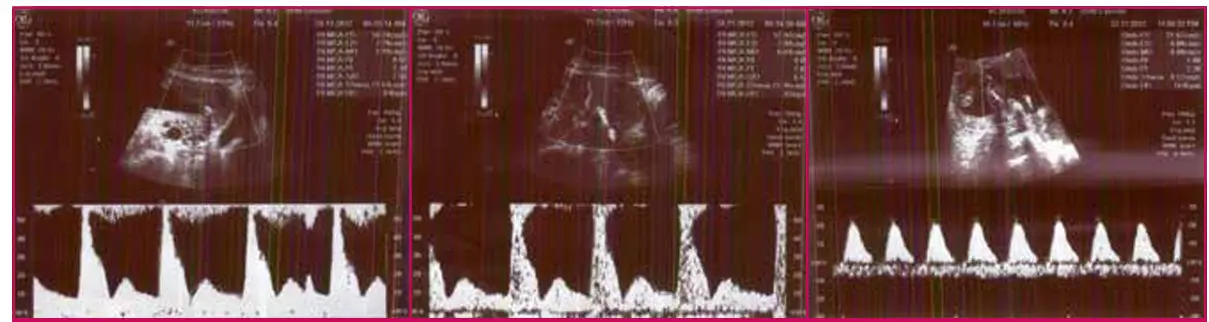
Figure 2: “Ultrasound pictures of umbilical artery and uterine artery”
Doctors say it might be hard to detect pregnancy early, but it is necessary as both the mother and baby can suffer from a delay in diagnosis. When this happened, a woman had ectopic pregnancy during her second trimester and the pregnancy had to be terminated [17]. There were no signs of liver or kidney problems, yet the creature had very little platelets and many damaged red blood cells. Even though “liver and kidney damage” were not shown, the patient had both low platelets and proof of red blood cell problems which helped confirm “thrombotic thrombocytopenic purpura”. Jacob et al. (2023) also shared a case where TTP persisted in the early stages of a twin pregnancy, followed by the patient’s additional use of “caplacizumab and rituximab” after the standard treatments were not enough.
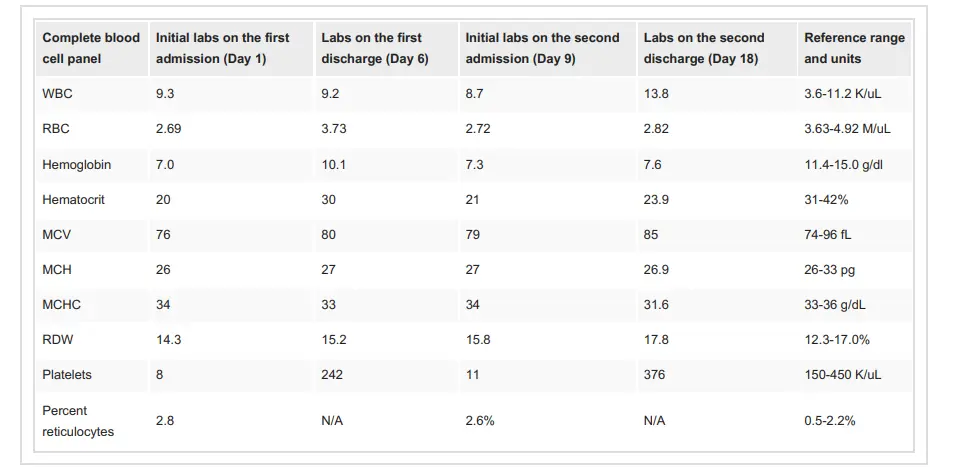
Figure 3: “Blood cells images”
The confirmation was made when “ADAMTS13 activity” was not detected even after testing. The use of plasma exchange, corticosteroids, rituximab and caplacizumab led to the patient’s full recovery. These cases reveal that finding and dealing with TTP quickly, along with teamwork from several specialists, is necessary for a health pregnancy.
2.9 Key Insights/Filled Gaps
In pregnancy, most cases of “thrombotic thrombocytopenic purpura” are rare and are often mistaken for preeclampsia or HELLP syndrome. “Thrombotic thrombocytopenic purpura” should be considered if the patient has too few platelets and damaged red blood cells. Checking “ADAMTS13 activity” helps detect the problem and guide how treatment is given. Immediate treatment using “plasma, steroids, rituximab and caplacizumab” can allow someone to recover completely. Consulting with several specialists and being monitored closely after pregnancy helps keep serious problems at bay.
Conclusion
It is crucial to diagnose and treat “thrombotic thrombocytopenic purpura” in pregnancy early on for a positive outcome. Besides testing “ADAMTS13 levels”, taking other approaches and continuous treatment avoid complications after surgery and improve long-term results.
Reference List
Journals
- Albousaeed F, AlmohammedAli A, Alowainati Z, Salman Z, Alsubhi M. A Rare Case of Pregnancy-Associated Thrombotic Thrombocytopenic Purpura: Challenges in Diagnosis and Management. Cureus. 2025 May 6;17(5).
- Aminimoghaddam S, Afrooz N, Nasiri S, Motaghi Nejad O, Mahmoudzadeh F. A COVID-19 pregnant patient with thrombotic thrombocytopenic purpura: a case report. Journal of medical case reports. 2021 Dec;15:1-6.
- Arzuaga‐Mendez J, Moreno M, Mateos‐Mazón JJ, Vara M, Dueñas M, Del Orbe RA, Amutio E, Arrizabalaga B, García‐Ruiz JC. Acquired thrombotic thrombocytopenic Purpura diagnosed during first trimester of pregnancy with excellent outcome after plasma exchange and rituximab, a case report. Clinical Case Reports. 2021 Feb 2;9(3):1304.
- Béranger N, Coppo P, Tsatsaris V, Boisseau P, Provôt F, Delmas Y, Poullin P, Vanhoorelbeke K, Veyradier A, Joly BS. Management and follow-up of pregnancy-onset thrombotic thrombocytopenic purpura: the French experience. Blood advances. 2024 Jan 9;8(1):183-93.
- Béranger N, Tsatsaris V, Coppo P, Veyradier A, Joly BS. High sFlt-1 (soluble fms-like tyrosine kinase 1)/PlGF (placental growth factor) ratio in pregnancy-onset thrombotic thrombocytopenic purpura. Hypertension. 2023 Sep;80(9):e140-2.
- Brown J, Potugari B, Mazepa MA, Kohli R, Moliterno AR, Brodsky RA, Vaught JA, Burwick R, Chaturvedi S. Maternal and fetal outcomes of pregnancy occurring after a diagnosis of immune-mediated thrombotic thrombocytopenic purpura. Annals of hematology. 2022 Oct;101(10):2159-67.
- Bruzzese A, Vigna E, Martino EA, Mendicino F, Lucia E, Olivito V, Mazzulla R, De Rose S, Cozza PP, Bova C, Filippelli G. Safety and efficacy of caplacizumab in a case of thrombotic thrombocytopenic purpura in the postpartum period. Blood Coagulation & Fibrinolysis. 2023 Apr 1;34(3):215-7.
- Coppo P, Joly BS, French Reference Center for Thrombotic Microangiopathies (CNR‐MAT). Caplacizumab: A game changer also in pregnancy‐associated immune‐mediated thrombotic thrombocytopenic purpura?. British Journal of Haematology. 2023 Aug;202(4):725-7.
- Dap M, Romiti J, Dolenc B, Morel O. Thrombotic thrombocytopenic purpura and severe preeclampsia: A clinical overlap during pregnancy and a possible coexistence. Journal of Gynecology Obstetrics and Human Reproduction. 2022 Sep 1;51(7):102422.
- Jacob G, Dhaliwal A, Chaudhary V. An Interesting Case of Refractory Thrombotic Thrombocytopenic Purpura in the First Trimester of a Twin Pregnancy. Cureus. 2023 Oct 16;15(10).
- Macken E, Lewi L, Dierickx D. Thrombotic thrombocytopenic purpura in pregnancy: a case report. Belgian Journal of Hematology. 2014 Sep 1;5(3):106-9.
- Nonaka T, Yamaguchi M, Nishijima K, Moriyama M, Takakuwa K, Enomoto T. A successfully treated case of an acute presentation of congenital thrombotic thrombocytopenic purpura (Upshaw–Schulman syndrome) with decreased ADAMTS13 during late stage of pregnancy. Journal of Obstetrics and Gynaecology Research. 2021 May;47(5):1892-7.
- Pishko AM, Marshall AL. Thrombocytopenia in pregnancy. Hematology. 2022 Dec 9;2022(1):303-11.
- Rottenstreich A, Dor S, Keren-Politansky A, Sarig G, Nadir Y, Ellis M, Spectre G, Kirgner I, Pikovsky O, Arad A, Dann EJ. Pregnancy and non-pregnancy related immune thrombotic thrombocytopenic purpura in women of reproductive age. Journal of Thrombosis and Thrombolysis. 2021 Jan;51:187-93.
- Ruszala M, Poniedzialek-Czajkowska E, Mierzynski R, Wankowicz A, Zamojska A, Grzechnik M, Golubka I, Leszczynska-Gorzelak B, Gogacz M. Thrombocytopenia in pregnant women. Ginekologia Polska. 2021;92(8):587-90.
- Selvakumar S, Liu A, Chaturvedi S. Immune thrombotic thrombocytopenic purpura: Spotlight on long-term outcomes and survivorship. Frontiers in Medicine. 2023 Feb 28;10:1137019.
- Shinko IA, Tambawala ZY, Saquib S, Al Sayari S. A complicated case of thrombotic thrombocytopenic purpura in pregnancy with superimposed preeclampsia. Oman Medical Journal. 2024 Mar 31;39(2):e619.
- Sukumar S, Lämmle B, Cataland SR. Thrombotic thrombocytopenic purpura: pathophysiology, diagnosis, and management. Journal of clinical medicine. 2021 Feb 2;10(3):536.
Go Through the Best and FREE Samples Written by Our Academic Experts!
Native Assignment Help. (2026). Retrieved from:
https://www.nativeassignmenthelp.co.uk/pregnancy-associated-thrombotic-thrombocytopenic-purpura-assignment-51083
Native Assignment Help, (2026),
https://www.nativeassignmenthelp.co.uk/pregnancy-associated-thrombotic-thrombocytopenic-purpura-assignment-51083
Native Assignment Help (2026) [Online]. Retrieved from:
https://www.nativeassignmenthelp.co.uk/pregnancy-associated-thrombotic-thrombocytopenic-purpura-assignment-51083
Native Assignment Help. (Native Assignment Help, 2026)
https://www.nativeassignmenthelp.co.uk/pregnancy-associated-thrombotic-thrombocytopenic-purpura-assignment-51083
- FreeDownload - 38 Times3CO03 Core Behaviours for People Professionals Assignment Sample
INTRODUCTION: 3CO03 Core Behaviours for People Professionals Assignment Core...View or download
- FreeDownload - 38 TimesUnit 17 Understanding and Leading Change Assignment Example
Introduction Of Understanding and Leading Change Assignment It is a...View or download
- FreeDownload - 42 TimesMental Health Nursing and Complex Care Assignment sample
Introduction: Mental Health Nursing Assignment Mental health is the state...View or download
- FreeDownload - 41 TimesImpact of Sensory Loss on Individuals: Factors, Communication, and Support Assignment Sample
Impact of Sensory Loss on Individuals: Factors, Communication, and Support Are...View or download
- FreeDownload - 39 TimesBm565 Digital Business & New Technologies Assignment Eaxmple
Introduction - BM 565 Digital Business & New Technologies...View or download
- FreeDownload - 41 TimesSpecification Of The Construction Work Of Englemere Rehabilitation Centre Assignment Samples
Specification Of The Construction Work Of Englemere Rehabilitation Centre If...View or download
-
100% Confidential
Your personal details and order information are kept completely private with our strict confidentiality policy.
-
On-Time Delivery
Receive your assignment exactly within the promised deadline—no delays, ever.
-
Native British Writers
Get your work crafted by highly-skilled native UK writers with strong academic expertise.
-
A+ Quality Assignments
We deliver top-notch, well-researched, and perfectly structured assignments to help you secure the highest grades.