
- Introduction
- Description of The Intervention
- Context and background
- Disusing factors
- Target population
- Objectives
- Processes and approaches
- Tools Theories and Resources Applied
- Tools
- Theories
- Resources
- Ethical Implication
- Evaluation of The Intervention
- Recommendation For Improvement
- Community engagement
- Strong monitoring mechanism
- Strong collaboration with department of health and social care association
Introduction
Public health interventions expounded as significant actions integrated for improving and safeguarding health of individuals. These interventions concerned with varied range of strategies that involves educational campaigns, policy reforms, programmes and provision of health services (McManus et al, 2022). A robust understanding of these interventions is crucial as this radically links with improving public health. The current report will be based on reviewing a public health intervention “The Healthier You NHS Diabetes Prevention Programme [NHS DPP] of UK”. This programme aims to recognise the people who are at risk of developing Type 2 Diabetes [T2D] and engages them in nine-month evidence-based lifestyle change programme for reducing the risk related to T2D and improving Quality of Life [QoL] (Hawkes et al, 2021).
NHS DPP is an evidence-based programme specifically undertaken for promoting behavioural change among individuals (NHS DPP, 2022). The targeted population of NHS DPP are those individuals who are at the risk of developing T2D; the significant focus is implied on approaching ethnic communities who are at the forefront of experiencing healthcare disparities. The current report will undertake critical evaluation of NHS DPP and this would be evaluate whether this intervention proves to be effective or not. Furthermore, ethical implication will be highlighted and recommendation for improvement would be mentioned.
This assignment explores how public health initiatives can help prevent Type 2 Diabetes in the UK through healthier lifestyles, early identification and community awareness. For additional academic guidance, Native Assignment Help offers best assignment help to support students in understanding complex public health topics.
Description of The Intervention
Context and background
Type 2 Diabetes [T2D] is characterised by insulin-resistance condition that associates with beta cell dysfunction; T2D is a metabolic disorder characterised by chronic hyperglycemia and increases blood sugar levels in the body. The prevalence of T2D is UK is increasing to greater extent, the statistical estimation revealed that 6.3 million people are at increasing risk of T2D and 1.3 million people are living with T2D (NHS DPP, 2022). These numbers are huge and this demonstrates that it is important to undertake significant interventions that tackle the cases of T2D. NHS DPP was officially launched in 2016 and it significantly focuses on shaping behavioural pattern of individuals (Lee et al, 2021). T2D occurs due to multiple factors however, lifestyle factors and choices remain at top. Therefore, prior focus should be implied on adopting healthy lifestyle choices so that severe risks such as- kidney damage, liver damage and heart failure could be minimised.
Disusing factors
The social factors that led to implementation of NHS DPP are healthcare disparities, lack of education, access of healthcare and poverty. Poor people are not able to access quality healthcare services due to varied factors- living far away from healthcare setting and healthcare inequality (Lee et al, 2021). On the other hand, political factors associate with lack of monitoring on existing reforms and diabetes prevention mechanism. Environmental factors align with drastic living conditions and environment pollution; these aspects create barriers in undertaking physical exercise and contribute in T2D (Goldberg et al, 2022). Cultural factors involve inactive lifestyle and ethnicity; individuals from lower socioeconomic background are not aware about the importance of maintaining healthy lifestyle and further they faces discrimination due to different background. Hence, these are the major social, political, environmental and cultural factors contributed in implementation of NHS DPP.
Target population
NHS DPP targets those individuals [Male and female aged 18-60] who are at the high risk of developing T2D (Logan et al, 2021). However, this intervention prioritising individuals belonging from lower socio-economic background as they have lack of awareness regarding healthy lifestyle choices and they are not able access healthcare services.
Objectives
- To prevent the cases of T2D and managing disease through early identification, diagnosis and treatment procedure.
- To promote behavioural change, awareness and healthy lifestyle choices among individuals.
- To approach wider number of individuals from lower socio-economic background and reducing healthcare disparities.
Processes and approaches
The steps involved in implementation of NHS DPP align with forming MDTs and public campaigns for reaching wider audience. The check-up was done and individuals who are the risk of T2D were identified. Afterwards, these individuals were referred to nine month lifestyle change programme and they were guided to adopt healthy lifestyle choices and necessary treatment was given to them (Sampson et al, 2021). The strategies of NHS DPP comply with forming MDTs for reaching lower socio-economic background areas and developing wider awareness regarding the programme.
Tools Theories and Resources Applied
Tools
Electronic-health records [EHR] and survey are the major tools utilised for designing and executing the intervention. EHR provides information related to patient history through which NHS and NICE institution demonstrated about the extent of T2D increasing in UK (Whelan and Bell, 2022). Moreover, EHR highlights the major factors such as- ineffective and unhealthy lifestyle choices leading to T2D. Through this data, the intervention was designed and behavioural change was considered as an important aspect (Whelan and Bell, 2022). On the other hand, NHS surveys supported in identifying groups who are at high risk of T2D and reason associated with this and consequently, focus was implied on individuals from lower socioeconomic background. Hence, these elements has effectively guided in implementing decisions related to behavioural change intervention while reducing healthcare disparities faced by individuals.
Theories
In order to implement NHS DPP, Health Belief Model [HBM] has been referred; HBM emphasis on how people perceive health threats for determining their actions. This model is integrated in diverse context significantly for chronic conditions such as diabetes (French et al, 2021). HBM was used for understanding the behavioural pattern of individuals and how it impacts T2D. This framework was incorporated for motivating individuals so they can adopt healthy behavioural pattern by creating significant emphasis on perceived susceptibility, perceived severity, perceived benefits, perceived barriers, self-efficacy and cues to action. HMB supported in tailoring education materials and initiatives for creating awareness about T2D and how unhealthy lifestyle choices can drastically impacts T2D (NHS DPP, 2022). Perceived benefits of lifestyle changes were demonstrated in the programme and significant focus was implied on addressing potential barriers such as- lack of access to healthcare services and lack of awareness. NHS DPP has used varied cues such as- educational initiatives, health checks and peer support in order to encourage individuals and promoting their participation (French et al, 2021). Hence, HMB supported in taking essential decision related to behavioural strategies such as- healthy diet and physical exercise. In NHS DPP, integration of HBM principles was done for motivating individuals to adopt healthy lifestyle.
Resources
The national health agency - NHS England and Public Health England [PHE] and international agency- WHO guided the planning and execution of intervention. The data has been allocated from these agencies and accordingly, it was evident that T2D cases are increasing to greater extent (McManus et al, 2022). Information from these agencies revealed that there is need to undertake behavioural change for promoting healthy lifestyle choices among individuals and accordingly interventions was designed.
Ethical Implication
In accordance with public health perspectives, ethics are determined as systematic approach used for prioritising, clarifying and justifying the possible public health actions. In order to take decision related to public health it is highly essential to maintain cultural sensitivity and four principles of ethics- autonomy, beneficence, justice, and non-maleficence. These ethical considerations are comprised with NHS DPP and accordingly, focus is integrated on targeting population (Reeves et al, 2023). Cultural sensitivity proves to be an important aspect as majority of the individuals were approached from lower socio-economic background and therefore, respecting their cultural beliefs and morals was important (NHS DPP, 2022). This led to create positive impact on targeted population and further supported in gaining attention of individuals. Autonomy specifies that it is important to respect the rights of individuals and their perspectives should be prioritised (Reeves et al, 2023). In NHS DPP prior focus was implied on respecting the opinions of participants and complete information regarding the program was given to them and afterwards, their decision related to participation was respected.
Ethical principles- Beneficence and non-maleficence was undertaken in the programme; the aim of NHS DPP was to promote health outcomes of people by reducing the cases of diabetes and guiding them to adopt healthy behavioural pattern. The intentions were good and no harm was created to anyone (Ross et al, 2022). Moreover, justice was promoted by treating all individuals with equality and specific focus was ensured to ethnic minorities and in this manner disparities were reduced. The principles of global citizenship such as- human rights and justice was considered and this led to impact the programme in positive manner. The opinions of individuals were respected and this led to develop sense of belongingness in them and justice was promoted through equality and no discrimination was done (Ross et al, 2022). The programme was undertaken for promoting public health and each individual was treated with equality.
Evaluation of The Intervention
From the literature it is evident that NHS DPP proves to be an effectual intervention in targeting T2D. This was an evidence-based programme that associates with evidence-based practices and clinical decision making. Through integration of evidences and expertise of professionals the behavioural change programme was employed and prior focus was implied on shaping the behavioural pattern of individuals (Ravindrarajah et al, 2025). This programme has identified varied cases of T2D and referred individuals to nine-month evidence-based lifestyle change programme after taking the consent of people. The needs and preferences of individuals were prioritised throughout the programme and no ethical misconduct was done. The programme aims to tackle the cases of T2D and creating awareness among individuals; this aim was achieved through organising educational initiatives and campaigns and consequently, people were made aware about the importance of healthy eating and physical exercise (Ravindrarajah et al, 2025). A routine was implemented for participants and they were guided to follow this routine.
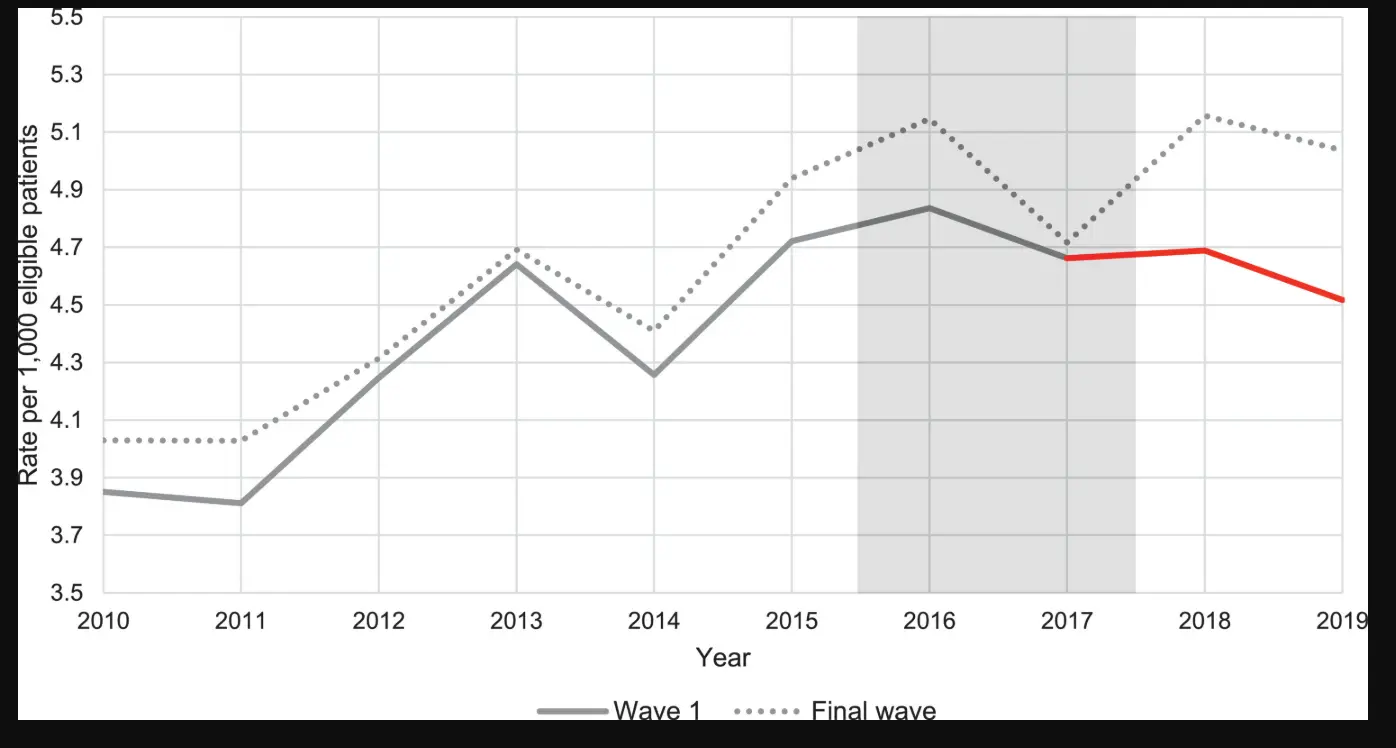
Figure 1-Number of participants in NHS DPP
The above presented graph is stating about the number of candidates involved in NHS DPP; wave 1 practice had 8,911 registered patients while in wave 2 it was 9,008 patients and final wave had 8,431 candidates (Population level impact of the NHS Diabetes Prevention Programme, 2022). This specifies that during initial years there were fluctuations experienced in approaching participant that led to impact number of candidates. This is highlighting about the potential limitation of programme. There is no doubt in articulating that NHS DPP has prevented the cases of T2D by shaping behavioural habits of individuals and further free treatment was given to poor people (Ravindrarajah et al, 2025). However, there was lack of consistency in approaching participants and thereby, it is important to integrate strong monitoring mechanism.
The programme has achieved its objective related to managing T2D cases [Through weight loss, healthy diet, physical exercise and HbA1c] and promoting behavioural change. However, in terms of approaching wider number of individuals from socially deprived areas a robust mechanism is needed. People who are educated can significantly attend this programme as they are aware of every aspect (Koning, Pelletier and Spooner, 2023). However, poor people needs consistent guidance in certain contexts such as- where they should go for check-ups, how to enrol in programme and what formalities needs to be undertaken. When no guidance is given to them then this leads to reduce their interest and further create barriers in approaching them. The limitation in the data associates with lack of robust evidence behind not able to approach people from socially deprived areas; this is significantly due to increasing health disparities and lack of robust monitoring measures (Ross et al, 2025). However, there is lack of comprehensive evidences identified in this context and this led to develop significant challenges for scholar. Hence, this can be said that it is important to undertake effective monitoring mechanism that enable in approaching larger number of individuals and accordingly, cases of T2D can be managed.
Recommendation For Improvement
Community engagement
From the evaluation it has been identified that there is lack of community engagement specifically with people from lower socioeconomic background. It is highly important for increase engagement of participants and this should be done through organising campaign in socially deprived area (Reeves et al, 2023). People should be approached by implementing direct interaction; these individuals are not active on social media platform and the incidences of T2D are high in this community. Therefore, direct interaction should be implemented and they must be approached for NHS DPP.
Strong monitoring mechanism
Public health interventions are specifically undertaken for improving public health and it is important to integrate strong monitoring mechanism as this specifies whether the intervention is enhancing public health outcomes or not. However, NHS DPP lacking in this area and there is need to incorporate strong monitoring mechanism for identifying the root cause behind decreasing involvement of participants (Brunton, Soiland-Reyes and Wilson, 2023). The root cause needs to be analysed and face-to-face interview with candidates should be undertaken. This supports in gaining real insights and consequently, appropriate actions could be taken.
Strong collaboration with department of health and social care association
NHS DPP has already implemented effective collaboration with health and social care associations such as PHE, NHS and NICE. However, it is important to strengthen these partnerships by increasing the involvement of health and social care professionals. These professionals have expertise in interacting with individuals from lower socioeconomic background and they can gain their trust and increase their involvement in programme (Brunton, Soiland-Reyes and Wilson, 2023). It is crucial to consider varied factors such as –cultural, social and environmental while interacting with individuals from ethnic minorities and health and social care professionals have expertise in this area. Therefore, partnership with these associations should be strengthened and consequently, health and social care professionals should be involved.
Conclusion
Conclusively; this can be said that NHS DPP has show effective contribution at initial years and cases of T2D were managed. Significant emphasis was employed on undertaking behavioural transformation among individuals and healthy lifestyle choices were promoted. This lead to encourage individuals and they have effectively adopted behavioural change and this further resulted in reducing the severity of T2D while managing blood glucose levels among individuals. This programme specifically focusing on people belong from ethnic minorities and reducing healthcare disparities along with promoting equality. However, lack of monitoring mechanism and inconsistency is creating significant barriers and reducing the involvement of participants in the programme. It is highly important to focus on these loopholes so that appropriate measures could be taken and effective monitoring mechanism can be employed. From the review it is evident that NHS DPP is complying with ethical principles and accordingly, autonomy of individuals were respected. Additionally, this programme aims to promote health outcomes of public which demonstrate that this program is complying with beneficence ethical principle. Thus, there is no doubt in depicting that NHS DPP has significantly supported individuals suffering from T2D and motivated them to adopt healthy lifestyle choices. However, it is crucial to focus on certain areas for enhancing the outcomes of programme.
References
Books and Journals
Brunton, L., Soiland-Reyes, C. and Wilson, P., 2023. A qualitative evaluation of the national rollout of a diabetes prevention programme in England. BMC Health Services Research, 23(1), p.1043.
French, D.P., Hawkes, R.E., Bower, P. and Cameron, E., 2021. Is the NHS diabetes prevention programme intervention delivered as planned? An observational study of fidelity of intervention delivery. Annals of Behavioral Medicine, 55(11), pp.1104-1115.
Goldberg, R.B., Orchard, T.J., Crandall, J.P., Boyko, E.J., Budoff, M., Dabelea, D., Gadde, K.M., Knowler, W.C., Lee, C.G., Nathan, D.M. and Watson, K., 2022. Effects of long-term metformin and lifestyle interventions on cardiovascular events in the diabetes prevention program and its outcome study. Circulation, 145(22), pp.1632-1641.
Hawkes, R.E., Cameron, E., Miles, L.M. and French, D.P., 2021. The fidelity of training in behaviour change techniques to intervention design in a national diabetes prevention programme. International journal of behavioral medicine, 28, pp.671-682.
Koning, C., Pelletier, M. and Spooner, J., 2023. The national health service England diabetes prevention program—A narrative review. Journal of Diabetology, 14(4), pp.198-206.
Lee, C.G., Heckman-Stoddard, B., Dabelea, D., Gadde, K.M., Ehrmann, D., Ford, L., Prorok, P., Boyko, E.J., Pi-Sunyer, X., Wallia, A. and Knowler, W.C., 2021. Effect of metformin and lifestyle interventions on mortality in the diabetes prevention program and diabetes prevention program outcomes study. Diabetes care, 44(12), pp.2775-2782.
Logan, P.A., Horne, J.C., Gladman, J.R., Gordon, A.L., Sach, T., Clark, A., Robinson, K., Armstrong, S., Stirling, S., Leighton, P. and Darby, J., 2021. Multifactorial falls prevention programme compared with usual care in UK care homes for older people: multicentre cluster randomised controlled trial with economic evaluation. bmj, 375.
McManus, E., Meacock, R., Parkinson, B. and Sutton, M., 2022. Population level impact of the NHS Diabetes Prevention Programme on incidence of type 2 diabetes in England: an observational study. The Lancet Regional Health–Europe, 19.
McManus, E., Meacock, R., Parkinson, B. and Sutton, M., 2022. Population level impact of the NHS Diabetes Prevention Programme on incidence of type 2 diabetes in England: an observational study. The Lancet Regional Health–Europe, 19.
Ravindrarajah, R., Sutton, M., Bower, P. and Kontopantelis, E., 2025. Variation in effectiveness of the NHS Diabetes Prevention Programme in people diagnosed with non‐diabetic hyperglycaemia by age, sex, BMI, and deprivation: A matched cohort analysis of 69,801 people. Diabetic Medicine, p.e70037.
Reeves, D., Woodham, A.A., French, D., Bower, P., Holland, F., Kontopantelis, E. and Cotterill, S., 2023. The influence of demographic, health and psychosocial factors on patient uptake of the English NHS diabetes prevention programme. BMC Health Services Research, 23(1), p.352.
Ross, J., Hawkes, R.E., Miles, L.M., Cotterill, S., Bower, P. and Murray, E., 2025. Design and early use of the nationally implemented Healthier You National Health Service Digital Diabetes Prevention Programme: mixed methods study. Health and Social Care Delivery Research, pp.1-2.
Ross, J.A.D., Barron, E., McGough, B., Valabhji, J., Daff, K., Irwin, J., Henley, W.E. and Murray, E., 2022. Uptake and impact of the English National Health Service digital diabetes prevention programme: observational study. BMJ Open Diabetes Research & Care, 10(3).
Sampson, M., Clark, A., Bachmann, M., Garner, N., Irvine, L., Howe, A., Greaves, C., Auckland, S., Smith, J., Turner, J. and Rea, D., 2021. Lifestyle intervention with or without lay volunteers to prevent type 2 diabetes in people with impaired fasting glucose and/or nondiabetic hyperglycemia: a randomized clinical trial. JAMA internal medicine, 181(2), pp.168-178.
Whelan, M. and Bell, L., 2022. The English national health service diabetes prevention programme (NHS DPP): A scoping review of existing evidence. Diabetic Medicine, 39(7), p.e14855.
Online
NHS DPP, 2022. Online. Available through: < https://digital.nhs.uk/data-and-information/publications/statistical/national-diabetes-audit-ndh-dpp/ndh-2020-21-dpp/diabetes-prevention-programme>
Population level impact of the NHS Diabetes Prevention Programme, 2022. Online. Available through: https://www.thelancet.com/journals/lanepe/article/PIIS2666-7762%2822%2900114-4/fulltext>
Go Through the Best and FREE Samples Written by Our Academic Experts!
Native Assignment Help. (2026). Retrieved from:
https://www.nativeassignmenthelp.co.uk/public-health-preventing-type-2-diabetes-in-the-uk-assignment-51731
Native Assignment Help, (2026),
https://www.nativeassignmenthelp.co.uk/public-health-preventing-type-2-diabetes-in-the-uk-assignment-51731
Native Assignment Help (2026) [Online]. Retrieved from:
https://www.nativeassignmenthelp.co.uk/public-health-preventing-type-2-diabetes-in-the-uk-assignment-51731
Native Assignment Help. (Native Assignment Help, 2026)
https://www.nativeassignmenthelp.co.uk/public-health-preventing-type-2-diabetes-in-the-uk-assignment-51731
- FreeDownload - 42 TimesAutomation and Robotics Assignment Sample
Introduction : Automation and Robotics Assignment Sample Robotics is a design,...View or download
- FreeDownload - 37 TimesEffective Leadership in Healthcare: Theories, Practice, and Culture
Introduction Leadership determines about the potential of individual or group...View or download
- FreeDownload - 41 TimesGBM5REM Research Methods Assignment
Section 1: Introduction 1.1 Background of the Research Organizational culture...View or download
- FreeDownload - 44 TimesBMHP5021 Early Help System Signposting Assignment
Introduction The work will include the analysis of the efficiency of the...View or download
- FreeDownload - 41 TimesH/618/5284 Responsibilities of a Health and Social Care Worker Assignment
TASK 1 1.1 Role and responsibility in health and social care In the health...View or download
- FreeDownload - 38 TimesMachine Learning Assignment Sample
Machine Learning Assignment Introduction- Machine Learning...View or download
-
100% Confidential
Your personal details and order information are kept completely private with our strict confidentiality policy.
-
On-Time Delivery
Receive your assignment exactly within the promised deadline—no delays, ever.
-
Native British Writers
Get your work crafted by highly-skilled native UK writers with strong academic expertise.
-
A+ Quality Assignments
We deliver top-notch, well-researched, and perfectly structured assignments to help you secure the highest grades.