Digital Innovations In The Design Stage For Passivhaus Construction In UWE Bristol Student Accommodation
Executive summary
This report focuses on analysing how the use of Internet of Things (IoT) can be applied during the Design stage of Passivhaus for the UWE Bristol student accommodation. They expand on how smart sensors and other aspects of the IoT can make a building more efficient and sustainable in terms of energy use. The benefits of IoT in the field of energy optimization as well as to the sense of comfort has been presented in the report Despite including the points like high capital cost, management problem, technicalities and security concerns in the design aspects of IoT .
Digital Innovation: IoT in the Design Stage
The Design stage of Passivhaus construction is critical because this is where energy efficient design is being achieved to meet the Passivhaus standards. Sensors, smart meters, and endowed devices become helpful at this phase, especially on the aspect of building design towards the passive house standards.
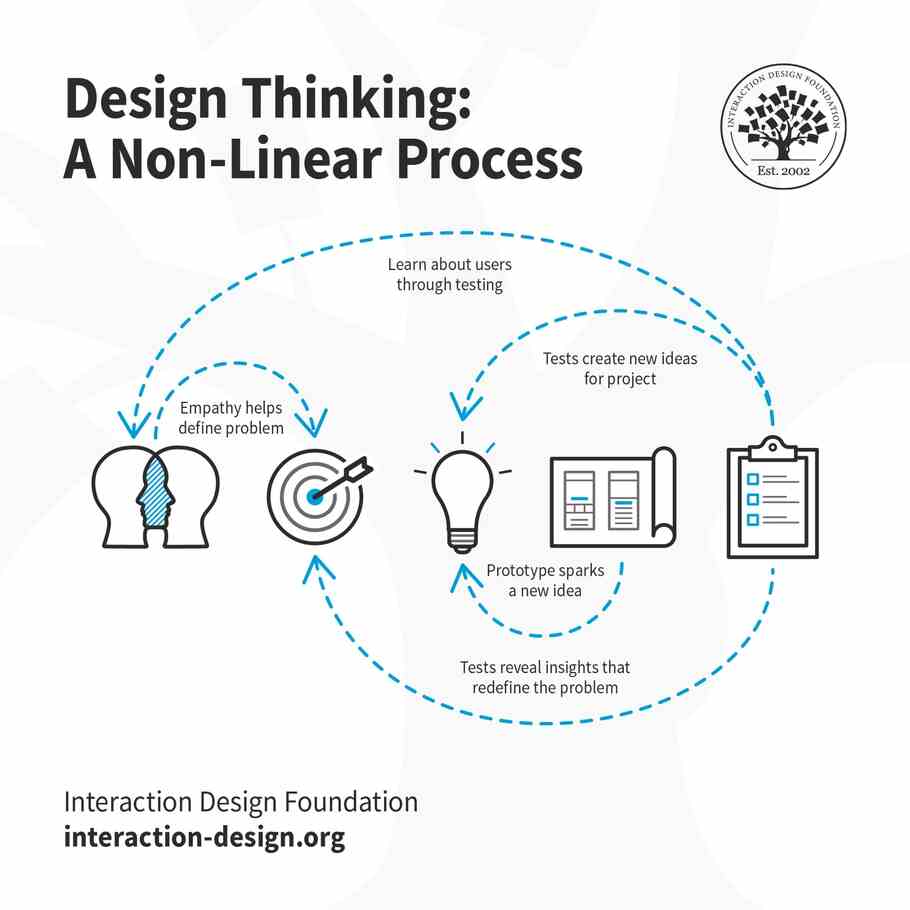
Figure 1: Design thinking
(Source: https://public-images.interaction-design.org)
Energy Optimization through Real-time Data
It also allows for the constant streaming of various data related to energy usage, indoor environment, and systems of a building. Since architects and engineers go for IoT sensors, they can get a sense of what the building is going to consume in terms of energy before its construction (Hevner and Gregor, 2022). For instance, IoT can help forecast how the temperature, humidity and air quality will be throughout the year and therefore, determine the right insulation and ventilations to apply for certification in Passivhaus.
Building Performance Simulations
With the help of IoT, based on the various simulations that are made, the designers can see how the building is going to behave under certain circumstances. This allows for understanding of the energy load of spaces like the dormitories, common areas and the offices, as well as assisting in the design of the building envelope (the windows, walls, and insulation) to put the building within the limits of a Passivhaus energy usage.
Integration with BIM (Building Information Modeling)
Moreover, IoT can be integrated with BIM software to be applied during the design phase. The use of smart sensors with BIM facilitates enhancements in the aspect of monitoring of building and operational conditions. The information gathered from sensors could be used to optimise the shape, materials, and energy-related approach of the building to reach the Passivhaus standard.
Predictive Maintenance and Future-Proofing
It is appropriate to point out that in the design phase of smart products IoT can be used for creating predictive maintenance systems (Ramdani et al., 2022). They should incorporate sensors and connections to the HVAC systems to ensure that measurement of energy and control of energy is done in future by correcting it in case it goes off standards hence decreasing the lifetime operation costs and improving on energy standards.
Opportunities from IoT in the Design Stage
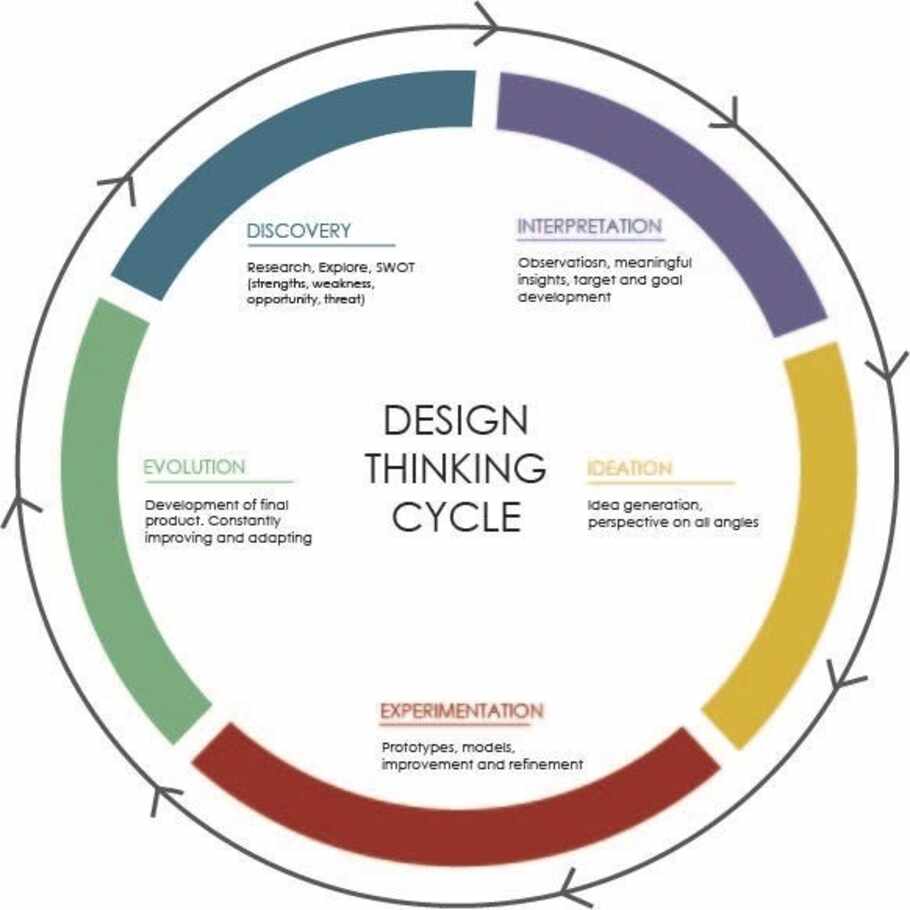
Figure 2: Design thinking digital innovation
(Source: https://miro.medium.com)
Improved Energy Efficiency
IoT devices allow the designer to gather and analyze energizing data on energy consumption and environmental conditions. This means that it leads to a low heating and cooling energy requirement, which is essential to meet the standard of a Passivhaus (Stern et al., 2022). The IoT solutions can easily detect areas of the building where there is leakage or where heat is being lost or where there could be improvement in air circulation thus enhancing thermal comfort.
Enhanced Comfort and Indoor Air Quality
Basis for this, IoT sensors assist designers in the control of factors such as the quality of air, lighting and temperature in order to make occupants comfortable. Coming to the use of IoT, it will be possible to monitor the indoor environment to change the building systems automatically so that they remain at the optimum level while using less energy say on the HVAC system to provide good indoor air quality.
Cost Savings
Integration of IoT during the conception phase also leads to optimizing both energy efficiency cost and following maintenance costs (Marion and Fixson, 2021). With the help of such approaches, one can prevent some possible complications regarding necessities of maintenance and potential future expenses on energy consumption and repair of the system.
Sustainability and Compliance
It also helps in achieving sustainability standards, which are embraced in the Passivhaus construction, among other aspects. The decision-making of IoT devices gives key information on the energy efficiency capacity of the building, thus ensuring that the intended building meets the general energy standards as well as the emission of carbon.
Challenges and Barriers to IoT Implementation in the Design Stage
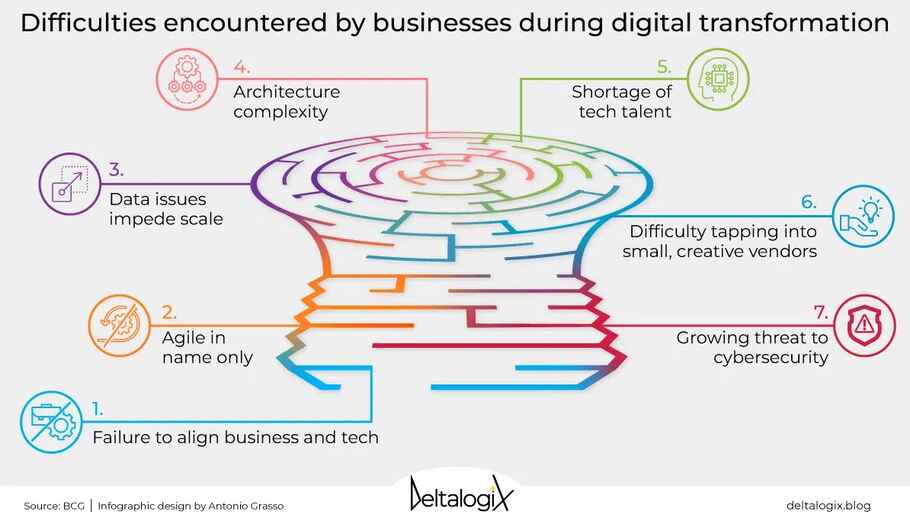
Figure 3: Design thinking challenges
(Source: https://deltalogix.blog)
High Initial Investment
Another disadvantage of implementing IoT during the design phase is the relatively initial cost that may be needed. Smart sensors and IoT devices, as well as data analytics platforms, can be expensive, particularly, if the building design is elaborate for it to conform to Passivhaus standards or not to violate these standards. In most cases, these investments earn themselves in the long run as operating expenses are cut down; however, the initial costs make them less appealing to some stakeholders, especially those who have minimal capital or are managing small projects only.
Data Management and Analysis
Smart devices are used for smart homes, detect and are involved in continuous monitoring and collection of real time data such as energy consumption rate, air quality and conditions. The handling and synthesis of this information can be quite burdensome, especially if designers do not possess the right means or knowledge. The irony is that while there is an ample amount of data that management can get their hands on, the flow of this data is so massive that traditional systems of processing and analyzing data are not effective at managing this much data (Hervas-Oliver et al., 2021). If the analysts are not put in place, then, this IoT integration becomes useless and it will be hard for the designers to make a decision while being feedback.
Integration with Existing Systems
Connecting IoT technology with traditional systems in structures exposes some risks, especially when dealing with older structures or systems. In reference to Passivhaus construction, there are concerns on how smart gadgets like meters, sensors or automated systems will require integration with HVACs, lights, among others. A number of challenges can be experienced during the integration process, and this causes ineffective and even non-functioning systems (Iftikhar et al., 2024). Moreover, coordination of the integration of new IoT technology and traditional construction practices is key.
Technical Complexity
The design stage is also another technical factor that hinders IoT systems implementation since it involves intensive technical integration. Some of the things that digital devices and sensors need to be fitted and set involve some expertise and knowledge in IoT technology. The current designers, engineers or architects may not have adequate knowledge for the most effective utilization of the IoT systems. Moreover, to manage the IoT devices such that it conforms to the Passivhaus principles, one needs knowledge of energy-efficient design, material, and system. This could entail some disadvantages since absence of expertise is not only likely to slow down the process of implementation but also to hamper integration of the change.
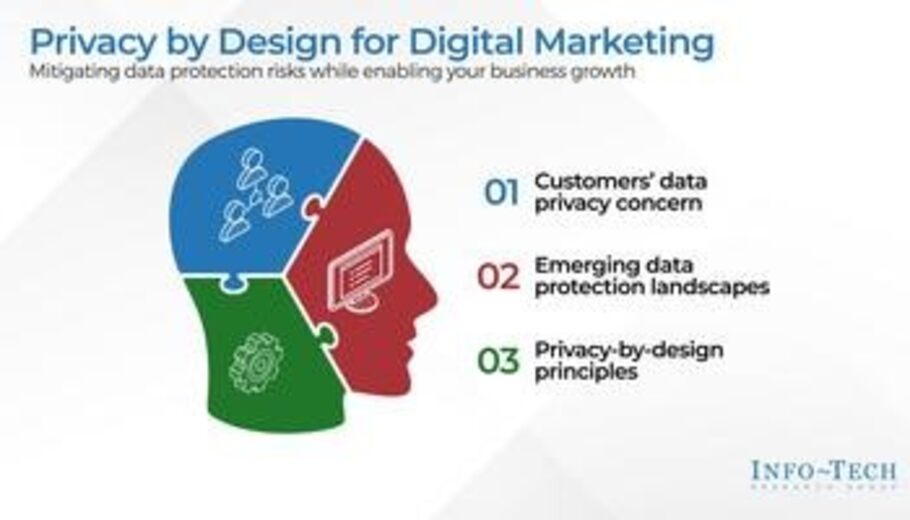
Figure 4: Design thinking privacy
(Source: https://cdn-static.infotech.com)
Data Privacy and Security
Due to IoT systems' ability to gather charging data of how the building is used, energy is spent, and people inhabit it, there is a huge problem with data privacy and security concerns. These systems, if connected to the internet and external working networks, are as well prone to data breaches. To prevent leakage of this type of information to the wrong people there is need to enhance security of the information by using encryption as well as physical security measures on the storage containers (Huynh, 2022). This may be another level of complication especially if the IoT devices are connected in various systems in the building.
Resistance to Change
Last but not the least; there will always be changes from the sides of the architects, builders, and even the clients who might not be conversant with the use of IoT technology. Some experts might refer to IoT as a relatively young and innovative concept and would, therefore, be concerned about the encounters in the construction phase (Van Looy, 2021). But to reduce this resistance needed strong leadership and explaining to the employees the long-term advantages of using IoT.
Working on digital innovation, IoT, or sustainable construction assignments like this? Our Native Assignment Help deliver well-structured, research-driven academic support tailored to your university requirements.
Reference List
Journals
Hevner, A. and Gregor, S., 2022. Envisioning entrepreneurship and digital innovation through a design science research lens: A matrix approach. Information & Management, 59(3), p.103350.
Ramdani, B., Raja, S. and Kayumova, M., 2022. Digital innovation in SMEs: a systematic review, synthesis and research agenda. Information Technology for Development, 28(1), pp.56-80.
Marion, T.J. and Fixson, S.K., 2021. The transformation of the innovation process: How digital tools are changing work, collaboration, and organizations in new product development. Journal of Product Innovation Management, 38(1), pp.192-215.
Hervas-Oliver, J.L., Gonzalez-Alcaide, G., Rojas-Alvarado, R. and Monto-Mompo, S., 2021. Emerging regional innovation policies for industry 4.0: analyzing the digital innovation hub program in European regions. Competitiveness Review: An International Business Journal, 31(1), pp.106-129.
Huynh, P.H., 2022. Enabling circular business models in the fashion industry: The role of digital innovation. International Journal of Productivity and Performance Management, 71(3), pp.870-895.
Van Looy, A., 2021. A quantitative and qualitative study of the link between business process management and digital innovation. Information & Management, 58(2), p.103413.
Iftikhar, A., Ali, I., Arslan, A. and Tarba, S., 2024. Digital innovation, data analytics, and supply chain resiliency: A bibliometric-based systematic literature review. Annals of Operations Research, 333(2), pp.825-848.
Stern, A.D., Brönneke, J., Debatin, J.F., Hagen, J., Matthies, H., Patel, S., Clay, I., Eskofier, B., Herr, A., Hoeller, K. and Jaksa, A., 2022. Advancing digital health applications: priorities for innovation in real-world evidence generation. The Lancet Digital Health, 4(3), pp.e200-e206.
Go Through the Best and FREE Samples Written by Our Academic Experts!
Native Assignment Help. (2026). Retrieved from:
https://www.nativeassignmenthelp.co.uk/digital-innovation-in-construction-for-passivhaus-student-accommodation-47248
Native Assignment Help, (2026),
https://www.nativeassignmenthelp.co.uk/digital-innovation-in-construction-for-passivhaus-student-accommodation-47248
Native Assignment Help (2026) [Online]. Retrieved from:
https://www.nativeassignmenthelp.co.uk/digital-innovation-in-construction-for-passivhaus-student-accommodation-47248
Native Assignment Help. (Native Assignment Help, 2026)
https://www.nativeassignmenthelp.co.uk/digital-innovation-in-construction-for-passivhaus-student-accommodation-47248
- FreeDownload - 41 TimesHWSC4005 Biological, Psychological, and Social Determinants of Health
HWSC4005 / Biological, Psychological, and Social Determinants of Health Across...View or download
- FreeDownload - 41 TimesA8120 Conveyor Automated Component Removal System Assignment Sample
Introduction A8120 conveyor system is a conveyor belt system that belongs to...View or download
- FreeDownload - 42 TimesSport Development with Coaching Assignment Example
Sport Development with Coaching Introduction-Sport Development with...View or download
- FreeDownload - 37 TimesStrategic Management: Unlocking Growth for Uber Assignment
Strategic Management Assignment Sample Introduction In the competitive...View or download
- FreeDownload - 43 TimesCOM5026 Object Oriented Programming Level 5 Assignment
Virtual Pet Game Development Assignment Introduction The Virtual Pet Game is...View or download
- FreeDownload - 40 TimesSales Management Assignment Sample
1.0 Introduction - Sales Management Assignment As suggested by...View or download
-
100% Confidential
Your personal details and order information are kept completely private with our strict confidentiality policy.
-
On-Time Delivery
Receive your assignment exactly within the promised deadline—no delays, ever.
-
Native British Writers
Get your work crafted by highly-skilled native UK writers with strong academic expertise.
-
A+ Quality Assignments
We deliver top-notch, well-researched, and perfectly structured assignments to help you secure the highest grades.