
- Introduction and Scope
- Emotional Intelligence
- Team Dynamics
- Team Formation
- Coaching and Mentoring
- Workforce Planning
- Recommendations and Conclusion
- Roll out Leaders and Staff Emotional Intelligence Training
- Build a Structured System of Team Construction
- Expend Coaching and Mentoring Model to All Staff Categories
- Organise Succession and Diversity Goals
Introduction and Scope
The report is a critical review of leadership and people development practices in Greenfield Primary, a mainstream school located in inner London, hereinafter referred to as Greenfield Primary. With a highly diverse group of pupils, Greenfield has a vastly diverse workforce, with two main categories of teachers (five trained teachers and eleven Learning Support Assistants (LSAs)). Within the broader context of committed educational excellence, Greenfield Primary has progressively made strategic planning of leadership, staff wellbeing and teamwork a priority in leadership development (Greenfield School, 2025). Faced with national issues of high staff turnover, staff recruitment shortages, and growing work pressures on staff mental health, the school considers it essential to spend more intentionally on leading its people.
The work presented in the report encompasses five interdependent subjects fundamental to the successful leadership of individuals: emotional intelligence, team dynamics, team formation, coaching and mentoring, and workforce planning. Every section provides a comprehensive discussion of the prevailing practices in that area, within the real organisational context, which is supported by leadership and organisational theory. The method of analysis would help determine the strengths and areas that need improvement in the school's strategic intent.
Strong leadership plays an important role in creating a positive and supportive workplace. If you need Help with Assignment, Native Assignment Help offers academic guidance to help students understand key leadership concepts, develop their ideas and improve their understanding of people management.
The knowledge standards outlined in the module brief inform this report. Specifically, it will concern:
K1, through investigating how the school can develop its mission and culture with the help of leadership practice and employee involvement.
K6, in the study of emotionally intelligent, ethical, and values-based leadership principles in everyday interactions and decision making;
K10, evaluating organisational and team behaviours, the development of high-performance, dynamic and team-oriented teams, and engagement-constructive mechanisms;
K11 through investigations of strategic workforce planning at the school, not forgetting talent development, inclusion and succession;
K18, by assessing the coaching and mentoring programs available to teaching and support staff.
The mission of Greenfield Primary is to cultivate a secure, inclusive, and aspirational environment that enables both pupils and staff to flourish (Greenfield School, 2025). Leadership is key in role modelling these values, but the school, similar to most schools in the UK, exist in a high-turbulence in policy-making and funding environment. School pressures on their human resources have been exacerbated by both the pandemic's sequelae and COVID-19, as well as increasingly high levels of pupil need and complexity. On this background, sustainable leadership is not only a strategic but an absolute moral responsibility.
Emotional Intelligence
The basic feature of good leadership in the context of a school is emotional intelligence, as such a school environment requires effective interpersonal relationships, the well-being of the staff, and responsive decision-making. The leadership teams at Greenfield Primary are under pressure in a setting characterised by a limited number of staff, growing pupil needs, and the shifting nature of education (Ertem, 2024). In such a culture, the capacity of leaders to regulate their internal selves, show empathy towards others, and establish trusting relationships directly affects team bonding, performance, and retention.
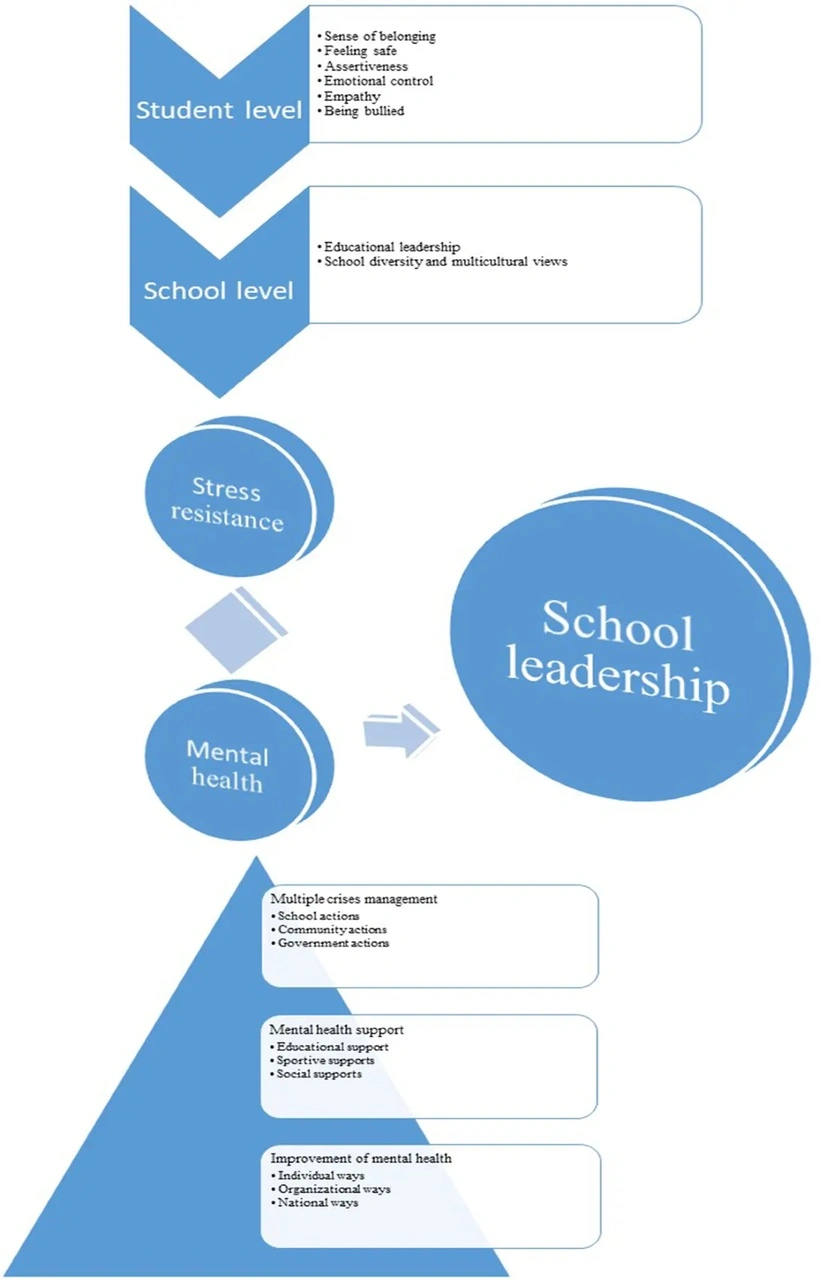
Figure 1: Role of emotional intelligence in school leadership
The leaders in Greenfield display some aspect of emotional intelligence in one way or another. This makes the senior staff highly approachable, given their open-door policy. It is no secret that weekly meetings with Learning Support Assistants (LSAs) provide a structured environment that allows team members to raise their concerns, share their ideas, and discuss their problems without fear of judgment (Huxtable, Hurford, and Mounter, 2023). The support given to new teachers through individual coaching during the induction facilitates reflection of these experiences by the new teachers and the emotional provisions of being ready to cope with the roles. Such initiatives are related to a culture of respect and psychological safety.
Leadership also demonstrates emotional intelligence in how conflict is handled (Maldonado and Márquez, 2023). When staff members have issues with each other, there is usually a balanced and sensitive reaction, and one-on-one communication has been utilised to dispel any misunderstanding and rebuild progress at work. Employees often report feeling listened to and understood, suggesting that empathy and self-control are exercised during interactions between leaders (Ugoani, 2024). Besides that, the culture of wellbeing at the school has contributed to making the working environment more emotionally stable, and staff are allowed to express concerns and consult in times of need.
Some of these strongholds notwithstanding, emotional intelligence is not being developed formally and consistently throughout the leadership pipeline (Chen, Xu and Phillips, 2019). Where one leader naturally exhibits emotionally intelligent behaviours, others may not be as self-aware or relationally skilled. There is yet no official training to strengthen these competencies, nor is there a system in place to measure and reflect on the impact of emotional intelligence on leadership effectiveness (Ugoani, 2024). Furthermore, the feedback mechanisms employed are informal and not always sufficient to induce behavioural change, particularly regarding the root causes of team member frustrations or lack of engagement.
Team Dynamics
Team dynamics can be crucial to sustaining a collaborative and high-performing culture within the school environment (Urbani, LePage and Watson-Alvarado, 2024). In Greenfield Primary, the management team profoundly realises the fact that any form of disunity among the teachers and Learning Support Assistants (LSAs) can significantly disrupt the uniformity of the support that is accorded to the pupils, the control they exert on the pupils, as well as the overall morale of the staff members (Greenfield School, 2025). The school has implemented several practices to foster positive team dynamics, and there are still areas for improvement. The LSA weekly meetings in the school offer regular moments of reflection, problem solving and the exchange of information. Such meetings foster open communication and enable team members to feel a part of the team and appreciated (Buła, Thompson and Żak, 2024). Employees are expected to identify a problem or present a success, which helps create equal respect and trust among team members. It is one of the methods that ensures team cohesion and prevents minor issues from becoming significant problems.
Senior people are also perceived as quite accessible and communicative. They seek to reduce the chain of command within the team and encourage collaborative ownership of the pupils' results. Leaders who exemplify a listening attitude coupled with openness encourage such a setting of psychological safety of expressing themselves by their staff (Urbani, LePage and Watson-Alvarado, 2024). Informal peer support has also become a strength at the team level, especially amongst more experienced and newer LSAs and many staff are willing to mentor others on classroom practice or pupil-specific interventions.
Nevertheless, challenges are also present, and they affect the effectiveness of building team dynamics. When the workload increases or some employees are absent, communication can break down, and as a result, collaboration can be affected. Some LSAs have said they are not always kept updated on any changes that impact their jobs, e.g. changes in pupil allocation or changes in the timetable (Buła, Thompson and Żak, 2024). This may create confusion, misunderstanding of duties, and frustration, especially where expectations are not well-defined.
Additionally, although trust and respect are generally the case, there are some issues with role clarity, particularly between the teaching staff and LSAs. Other LSAs have cited instances of being undervalued or underutilised when they are not involved in classroom intervention planning or in the decision-making process itself (Buła, Thompson, and Żak, 2024). Such forces may cause demotivation and withdrawal.
To enhance team dynamics, formalising the processes that support mutual understanding and collaboration could help Greenfield. Frequent joint planning between LSAs and teachers would help clarify roles and deepen their perception of a shared purpose (Muckenthaler et al., 2020). Creating a team charter to outline the behaviours, duties, and areas of communication that foster effective teamwork may also serve as a point of reference for promoting positive dynamics. Additionally, providing professional development in teamwork and interpersonal communication would enable every staff member to approach matters of difference constructively and make more effective contributions to the school's mission (Lewis, 2023). Additionally, suggesting that a robust basis of team collaboration and free communication is present in Greenfield Primary, the importance of increasing the level of transparency, involvement in the decision-making process, and role clarification will become central to the future performance of the related team processes.
Team Formation
The availability of staffing primarily determines the structure of the team at Greenfield Primary, the support needs of the students, and the leadership's choice. Flexibility is essential in a small school with five teachers and eleven LSAs (Lübke et al., 2021). However, new understanding has emerged that, with deliberate team creation based on complementary skills, experience, and working styles, staff performance and morale can be significantly improved.
At present, the LSA placement is determined by the mixed criteria of knowledge of pupils, the established relations with teaching staff, and some logistical matters like timetable and classroom availability. LSAs usually have preferences regarding the teacher they would like to work with, and these can often be accommodated upon the teacher's request (Breyer, Lederer, and Gasteiger-Klicpera, 2020). Although this increases short-term efficiency, it may constrain LSAs from acquiring broader skills or working under more diverse conditions.
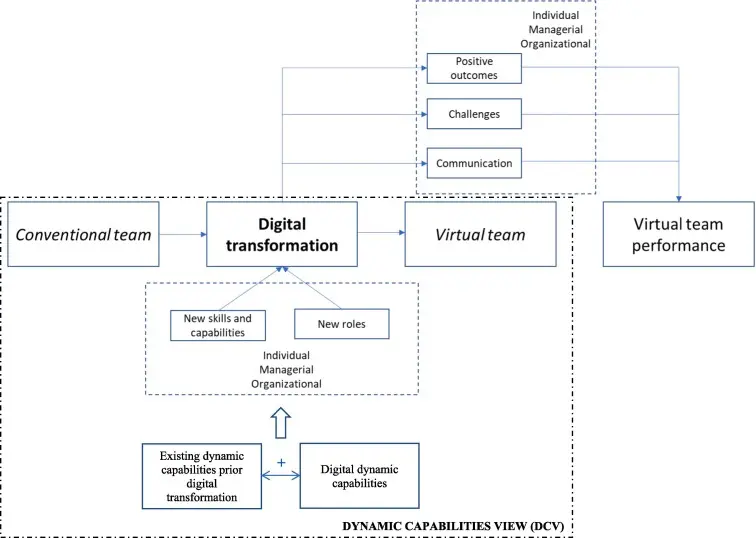
Figure 2: A comprehensive framework of team dynamics in school teaching
The critical evaluation of the balance of skills or personalities is not done officially when assembling a team. When forming teaching teams, characteristics of staff, such as communication style, resiliency, or expertise in the subject, are seldom considered with a systematic approach (Saks et al., 2025). Consequently, natural cohesion occurs in some teams, whereas in other cases, tension or poor performance may arise due to a mismatch of expectations or working styles.
The school has made efforts to ensure that recruits get support by having proper induction and informal support from senior and experienced teachers. Nevertheless, this amount of planning is never necessarily reflected in LSA assignments. New LSAs are often placed in classrooms, depending on their urgency, rather than their strategic nature (Arvelo-Rosales et al., 2021). Although this is useful in ensuring continuity of service delivery, it might leave the newly employed individuals feeling offended or insecure in their positions.
Short-notice recruitment and limited applicant pools have also been challenges to Greenfield because they do not allow the creation of balanced and diverse teams. The existing staff has yet to represent the entire cultural or linguistic diversity of the student body, which hinders the school's capacity to provide culturally responsive assistance and outlook (Vuchkovski et al., 2023). Additionally, it lacks a formal succession planning process; therefore, when major personnel are lost, there is usually a disturbance and a lack of consistency in the team structure.
A tool or framework to help determine staff strengths, areas where they need improvement, and working styles should also be applied in the school to strengthen team formation. Leadership can also be employed in holding planning meetings with team members at the start of every term, allowing staff members to share how they can utilise their respective abilities to complement one another (Saks et al., 2025). To better allocate expertise more equally and foster growth, it would be beneficial to introduce a more strategic and transparent system of matching teachers and LSAs.
Coaching and Mentoring
At Greenfield Primary, coaching and mentoring are fundamental to the leadership strategy, particularly in supporting and coaching new teachers. The above practices are helpful in staff confidence, job satisfaction, and retention, especially at the perilous initial phases of employment. With the influence of hiring delays and high attrition rate in the education sector, which becomes harder and harder to predict, the school focuses on systematised support as a proactive and planned form of investment in people (Vuchkovski et al., 2023).
Figure 3: Dynamic capabilities for teamwork equipped with modern digital technologies
Greenfield offers both formal and informal mentoring formats to new teachers. When they arrive, they are assigned to mentors who will support them with the school's rules and regulations, course planning, classroom management, and the strategies applied to pupils (Mokoena and Tonder, 2024). This type of mentoring fosters a positive connection to the school culture and instils initial confidence in students regarding their profession. In addition to the mentor-mentee relationship, newly hired employees also participate in one-on-one coaching discussions with top managers (Vuchkovski et al., 2023). These sessions are used to set goals, discuss obstacles, and reflect on progress. These interventions during the early years are seen as essential measures for preventing isolation, decreasing anxiety, and increasing resilience at school.
Mentoring is also used to train and support early career teachers in Greenfield who are studying to obtain their overall qualification (Mercado and Trumbull, 2018). The support provided to these staff members regarding the delivery of lessons is also the same as that provided to them in terms of understanding behaviour support, time management, and collaboration with learning support assistants, among other areas. The methodology is individualised and feedback-oriented, and frequent feedback is provided. Although the mentoring process is received positively, it is dependent on the availability and willingness of existing staff members, who may be struggling with a heavy workload (Chukwu et al., 2024). This may introduce variance in the quality and frequency of mentoring experiences. Coaching has also proven promising, but it has not been implemented throughout the school. Leaders acknowledge the importance of coaching in fostering reflective practice and goal-oriented development (Halliwell, Mitchell and Boyle, 2023). At this point, coaching is applied exclusively to new employees and is one of the reasons when extra support is required. Nonetheless, an opportunity exists to scale up coaching as a means of developing the performance and leadership capabilities of all staff members, including Learning Support Assistants and middle leaders.
An improvement that can be made is the lack of formalised coaching training for mentors and line managers. One group of staff members might demonstrate inherent coaching abilities. Still, others will need systematic instructions on how to initiate an effective conversation to encourage independence, problem-solving, and career development (Chukwu et al., 2024). Also, the school fails to assess beforehand the long-term effect of coaching and mentoring to staff development or retention. This complicates the process of determining the most successful practices and identifying where additional assistance is needed.
In a bid to enhance coaching and mentoring within the Greenfield school, it is vital that the school consider creating a more definite framework that provides a sense of purpose, structure, and anticipated outcomes for the coaching and mentoring practices (Halliwell, Mitchell and Boyle, 2023). Training mentors and line managers in simple coaching techniques would increase consistency and effectiveness overall. Additionally, it is beneficial to offer coaching beyond the induction period to more established employees who require professional development or face new challenges in their roles (Lewis, 2023). Frequent evaluation frames, closed circles, and confidential surveys would facilitate ongoing remodelling and illustrate the school's dedication to professional development on all levels. To sum up, coaching and mentoring within the Greenfield Primary are the basis of staff development and wellbeing (Chen, Xu and Phillips, 2019). Under a more strategic and comprehensive approach, these practices can be transformed into a whole-school model that enhances leadership capacity and develops a resilient, motivated workforce.
Workforce Planning
An efficient workforce planning process will ensure that Greenfield Primary can achieve its strategic objectives, adapt to change, and consistently provide a high-quality education offer (CIPD, 2023). Although the school has a relatively small staff of five teachers and eleven Learning Support Assistants (LSAs), it must contend with obstacles such as limited recruitment pools, an increase in the complexity of pupils, and the emerging priority of staff wellbeing (Breyer, Lederer and Gasteiger-Klicpera, 2020). With strains on school staffing continuing throughout the UK, Greenfield are mindful of the need to have a sound and progressive approach to program and build on its workforce.
Currently, workforce planning at Greenfield is more reactive than proactive. Changes in staffing are usually addressed as they arise, especially in cases where the sudden ill health or retirement of key team members collapses the teams (Breyer, Lederer, and Gasteiger-Klicpera, 2020). Although there is a (weak) attempt in the school to predict staffing numbers based upon enrolment and pupil support needs, this is a non-data-driven mechanism, and there is no systematic (data-driven) longer-term forecasting or talent pipeline. This reduces the school's ability to proactively prepare for replacing its staff, specialist support, or changes in curriculum delivery.
Referring to the teachers and LSAs with exceptional experience, such as those working with special needs pupils, it is also a significant difficulty in finding new staff to work at the school (Barakat et al., 2023). This situation has prevented the school from attracting a diverse range of applicants who can help create a staff body that is representative of the population it serves. Greenfield does not fully apply its values of inclusion and equity in its hiring methods and job advertising policies, instead focusing primarily on using them to benefit the organisation.
Notwithstanding these issues, the school has some strengths in how it assists in student development. Greenfield provides guidance to new instructors and proposes granting more rights to LSAs, enabling them to assume additional responsibilities. The staff are also given the opportunity to shadow someone and attend external training, provided the necessary funds are available (Barakat et al., 2023). These initiatives have assisted in retaining personnel, as they instil the feeling of growth and being noticed, even though they are not formally connected to a strategic workforce model or succession plan.
It is also possible to enhance the way roles are designed and careers are advanced in this school. Notably, LSAs lack well-defined channels of progress, a factor that can jeopardise disengagement and turnover (Endalamaw et al., 2024). There are a few members of staff who have expressed interest in taking on more wide-ranging tasks, including involvement in pupil inclusion, mentoring, or curriculum support, but they often go undiscovered or unexplored due to time or capacity constraints.
To enhance workforce planning, Greenfield should consider incorporating a well-organised workforce development plan that includes forecasting future demands, identifying talent gaps, and articulating succession plans for critical positions (Wilson Heenan et al., 2023). Such measures would aid continuity and the school's ability to handle unplanned staff changes. The audits of the workforce may be conducted annually to determine competencies, areas of interest, and potential staff development needs (Endalamaw et al., 2024). Such audits would facilitate advising on the hiring habits as well, not only what is needed in the short run, but where to place the hires in the future.
In addition, activating diversity data in terms of recruiting and retaining personnel would facilitate the implementation of an inclusive policy at the school and help address the underrepresentation of certain groups in the staff collective (Ugoani, 2024). Lastly, directly aligning workforce planning with other strategic goals at the school, including school-wide priorities, pupil wellbeing, and parental engagement, would better ensure that staffing choices are never made at the expense of the school's vision (Wilson Heenan et al., 2023). To conclude, Greenfield Primary has a proven approach to development and retention; however, the current workforce planning model is not strategic and holistic enough to allow it to continue improving and addressing future challenges effectively.
Recommendations and Conclusion
Roll out Leaders and Staff Emotional Intelligence Training
Emotional intelligence is reflectively displayed through leadership, although this does not involve a systematic building of these skills and evaluating them (Ugoani, 2024). The school needs to incorporate emotional intelligence into its management training by providing sponsorship in the areas of self-awareness, active listening skills, and the ability to connect with others compassionately. The sessions may be included in professional development days and coached with coaching conversations (Kruk et al., 2018). In this way, it will be possible to develop more emotionally resilient teams and reduce the likelihood of tension accumulation.
Build a Structured System of Team Construction
Greenfield's team assignments are now based on random inclination and emergency instead of a strategic match. To enhance the cohesiveness and productivity of the team, the school needs to establish a simple model of team formation that takes into consideration the personality styles, livelihoods, and abilities (Kruk et al., 2018). Self-assessment surveys or staff skills audit can guide the role distribution, and termly planning sessions would allow staff to cooperate more actively. Roles would also be better defined.
Expend Coaching and Mentoring Model to All Staff Categories
Although coaching and mentoring of new teachers is a very good characteristic at Greenfield, both methods must be transferred to the Learning Support assistants and the middle leaders. This may include group coaching, peer coaching, and peer mentoring of leaders and department heads (Fey et al., 2021). Additionally, providing basic coaching skills training to line managers will help achieve more uniform one-on-one staff development and reinforce the feedback culture within the school.
Organise Succession and Diversity Goals
A lack of long-term planning constrains the school's capacity to respond to changes in staffing and the emergence of new needs. Greenfield should develop a workforce planning tool that identifies the future skill requirements, the talent pipeline within the organisation, and succession plans (Dong et al., 2022). This must involve the constant auditing of staff, the exploration of clear progression routes of both LSAs and teachers, and diversity and inclusion targets that can be measured during the recruitment process.
Conclusion
Greenfield Primary pays a strong interest in the well-being and progress of its employees. Leadership is friendly and principled, and activities such as mentoring and regular team meetings have laid a solid foundation for a positive organisational culture. There is however, a need to ensure that it shifts between the current informal/reactive practices in key people leadership challenges into more strategic and structured practices. Emotional intelligence should be a key goal of leadership, grounded in training and feedback processes. The way teams are formed and work, as well as the culture of coaching and mentoring, require more planning and openness. The process needs to be scaled and standardised so that any staff group can receive it. The planning of the workforce should also be more future-oriented, inclusive, and mission-oriented for the school.
References
Arvelo-Rosales, C.N., Alegre de la Rosa, O.M. and Guzmán-Rosquete, R. (2021). Initial Training of Primary School Teachers: Development of Competencies for Inclusion and Attention to Diversity. Education Sciences, 11(8), p.413. doi:https://doi.org/10.3390/educsci11080413.
Barakat, B., Milhem, M., Naji, G.M.A., Alzoraiki, M., Muda, H.B., Ateeq, A. and Abro, Z. (2023). Assessing the Impact of Green Training on Sustainable Business Advantage: Exploring the Mediating Role of Green Supply Chain Practices. Sustainability, [online] 15(19), p.14144. doi:https://doi.org/10.3390/su151914144.
Breyer, C., Lederer, J. and Gasteiger-Klicpera, B. (2020). Learning and support assistants in inclusive education: a transnational analysis of assistance services in Europe. European Journal of Special Needs Education, 36(3), pp.1–14. doi:https://doi.org/10.1080/08856257.2020.1754546.
Buła, P., Thompson, A. and Żak, A.A. (2024). Nurturing Teamwork and Team Dynamics in a Hybrid Work Model. Central European Management Journal, [online] 32(3), pp.475–489. doi:https://doi.org/10.1108/cemj-12-2022-0277.
Chen, H.X., Xu, X. and Phillips, P. (2019). Emotional intelligence and conflict management styles. International Journal of Organizational Analysis, [online] 27(3), pp.458–470. doi:https://doi.org/10.1108/ijoa-11-2017-1272.
Chukwu, O.A., Nadigel, J., Kasaai, B., Boateng, R., Glazier, R.H. and McMahon, M. (2024). Understanding the training, mentorship, and professional development priorities of early career embedded researchers. The International journal of health planning and management. doi:https://doi.org/10.1002/hpm.3800.
CIPD (2023). CIPD | Workforce Planning | Factsheets. [online] CIPD. Available at: https://www.cipd.org/en/knowledge/factsheets/workforce-planning-factsheet/ [Accessed 23 Jun. 2025].
Dong, Y., Dong, H., Yuan, Y. and Jiang, J. (2022). Role of Peer Coaching in Transmitting the Benefits of Leader Coaching. Frontiers in Psychology, 12. doi:https://doi.org/10.3389/fpsyg.2021.679370.
Endalamaw, A., Khatri, R.B., Mengistu, T.S., Erku, D., Wolka, E., Zewdie, A. and Assefa, Y. (2024). A scoping review of continuous quality improvement in healthcare system: Conceptualization, models and tools, barriers and facilitators, and impact. BMC health services research, [online] 24(1), p.487. doi:https://doi.org/10.1186/s12913-024-10828-0.
Ertem, H.Y. (2024). School leadership fostering mental health in the times of crisis: synthesis of school principals’ views and PISA 2022. BMC Psychology, [online] 12(1). doi:https://doi.org/10.1186/s40359-024-02195-6.
Fey, N., Nordbäck, E., Ehrnrooth, M. and Mikkonen, K. (2021). How peer coaching fosters employee proactivity and well-being within a self-managing Finnish digital engineering company. Organizational Dynamics, [online] 51(3), p.100864. doi:https://doi.org/10.1016/j.orgdyn.2021.100864.
Greenfield School (2025). Mission/Vision/Motto - . [online] Available at: http://greenfieldsschool.org.in/mission.htm [Accessed 23 Jun. 2025].
Halliwell, P.R., Mitchell, R. and Boyle, B. (2023). Leadership effectiveness through coaching: Authentic and change-oriented leadership. PLOS ONE, 18(12). doi:https://doi.org/10.1371/journal.pone.0294953.
Huxtable, M., Hurford, R. and Mounter, J. (2023). Children Researching their World to Create New Knowledge. ResearchGate, pp.81–93. doi:https://doi.org/10.4324/9781003423881-11.
Kruk, M.E., Gage, A.D., Arsenault, C., Jordan, K., Leslie, H.H., Roder-DeWan, S., Adeyi, O., Barker, P., Daelmans, B., Doubova, S.V., English, M., Elorrio, E.G., Guanais, F., Gureje, O., Hirschhorn, L.R., Jiang, L., Kelley, E., Lemango, E.T., Liljestrand, J. and Malata, A. (2018). High-quality health systems in the Sustainable Development Goals era: time for a revolution. The Lancet Global Health, [online] 6(11), pp.e1196–e1252. Available at: https://pmc.ncbi.nlm.nih.gov/articles/PMC7734391/.
Lewis, G. (2023). The classroom deployment of teaching assistants in England: A critical review of literature from 2010 to 2020. Educational Review, [online] 77(1), pp.1–17. doi:https://doi.org/10.1080/00131911.2023.2184773.
Lübke, L., Pinquart, M. and Schwinger, M. (2021). The Role of Flexibility in the Realization of Inclusive Education. Sustainability, [online] 13(8), p.4452. doi:https://doi.org/10.3390/su13084452.
Maldonado, I.C. and Márquez, M.-D.B. (2023). Emotional intelligence, leadership, and work teams: A hybrid literature review. Heliyon, [online] 9(10), pp.1–19. doi:https://doi.org/10.1016/j.heliyon.2023.e20356.
Mercado, G. and Trumbull, E. (2018). Mentoring beginning immigrant teachers: How culture may impact the message. International Journal of Psychology. doi:https://doi.org/10.1002/ijop.12555.
Mokoena, T.D. and Tonder, van (2024). Influencing beginner teachers’ autonomy: the impact of mentorship in fostering self-directed learning. International journal of educational management, 38(5). doi:https://doi.org/10.1108/ijem-05-2023-0247.
Muckenthaler, M., Tillmann, T., Weiß, S. and Kiel, E. (2020). Teacher collaboration as a core objective of school development. School Effectiveness and School Improvement, 31(3), pp.1–19. doi:https://doi.org/10.1080/09243453.2020.1747501.
Saks, K., Hunt, P., Äli Leijen and Lepp, L. (2025). From Zero Collaboration to Teamwork: Forms of Teacher Collaboration and Factors That Support or Hinder It. Education Sciences, 15(1), pp.87–87. doi:https://doi.org/10.3390/educsci15010087.
Ugoani, J. (2024). Emotional Intelligence: Leading, Managing, Conflict Management and Result in Organizations. Social Science Research Network. doi:https://doi.org/10.2139/ssrn.4735252.
Urbani, J.M., LePage, P. and Watson-Alvarado, S. (2024). Building and Sustaining a Collaborative Educational Team: Teachers and Paraprofessionals. Teaching exceptional children, 57(1). doi:https://doi.org/10.1177/00400599241231215.
Vuchkovski, D., Zalaznik, M., Mitręga, M. and Pfajfar, G. (2023). A look at the future of work: The digital transformation of teams from conventional to virtual. Journal of Business Research, [online] 163(163), pp.113912–113912. doi:https://doi.org/10.1016/j.jbusres.2023.113912.
Wilson Heenan, I., De Paor, D., Lafferty, N. and Mannix McNamara, P. (2023). The Impact of Transformational School Leadership on School Staff and School Culture in Primary Schools—a Systematic Review of International Literature. Societies, [online] 13(6), p.133. doi:https://doi.org/10.3390/soc13060133.
Go Through the Best and FREE Samples Written by Our Academic Experts!
Native Assignment Help. (2026). Retrieved from:
https://www.nativeassignmenthelp.co.uk/leading-people-assignment-54191
Native Assignment Help, (2026),
https://www.nativeassignmenthelp.co.uk/leading-people-assignment-54191
Native Assignment Help (2026) [Online]. Retrieved from:
https://www.nativeassignmenthelp.co.uk/leading-people-assignment-54191
Native Assignment Help. (Native Assignment Help, 2026)
https://www.nativeassignmenthelp.co.uk/leading-people-assignment-54191
- FreeDownload - 43 TimesAdvanced Structural Design And Bridge Engineering
Introduction: Advanced Structural Design And Bridge Engineering Native...View or download
- FreeDownload - 45 TimesTeaching English As A Foreign Language Assignment Example
Teaching English As A Foreign Language Assignment Sample Introduction...View or download
- FreeDownload - 33 TimesBH7307 Employee Experience Reflective Piece Assignment
Introduction Human resource management plays an important role in supporting...View or download
- FreeDownload - 40 TimesVolunteering In Sport, Health & Nutrition - SHN5152
Volunteering In Sport, Health And Nutrition - SHN5152 Assignment...View or download
- FreeDownload - 42 TimesDescribe the Effects of Discrimination
Describe the potential effects of discrimination Course- Level 3 diploma in...View or download
- FreeDownload - 41 TimesUnit 12: Organisational Behaviour Assignment Sample
Introduction Of Organisational Behaviour Assignment Need an Assignment Helper...View or download
-
100% Confidential
Your personal details and order information are kept completely private with our strict confidentiality policy.
-
On-Time Delivery
Receive your assignment exactly within the promised deadline—no delays, ever.
-
Native British Writers
Get your work crafted by highly-skilled native UK writers with strong academic expertise.
-
A+ Quality Assignments
We deliver top-notch, well-researched, and perfectly structured assignments to help you secure the highest grades.