- Introduction
- The Case for Integrating Employees with ASD
- Legal Context for Inclusion
- Ethical Imperatives
- Performance and Environmental Gains
- Evidence-Based Interventions for Supporting Employees with ASD
- Small Changes for Workplace Environment
- Training Programs and Managerial Support
- Job Role Customization
- Government Policies and Integration of ICT
- Positive Impacts on Psychological Wellbeing
- Social Inclusion
- Minimising Stress With Changes in the Physical Environment
- Improved mental toughness due to training programs
- People to Develop and Gain Confidence
- Policies Promoting Emotional Health
- Stronger Working Relations and Social Inclusion
Introduction
It is becoming more prominent in today’s diverse global workforce and has a great impact on the innovation and inclusion of different perspectives. Cognitive diversity is the way that people opt to perceive, solve problems, and undertake adversities in the work setting. Within this framework neurodiversity, a concept that encapsulates neurological differences including Autistic Spectrum Disorders (ASD), is a crucial but overlooked aspect of diversity in the workplace (Hodges, Fealko and Soares, 2020).
ASD has been described as a quirky, developmental disability that affects an individual’s ability to respond to the environment and other people; besides having a defect in the client’s social interaction, an ASD client may also demonstrate outstanding talents in focused interests, retaining information, and perceiving details in the environment, among other qualities (Hodges, Fealko and Soares, 2020). However, despite these capabilities, it is still a common convention to see individuals with ASD out of the workplace completely, and those who are in it are half employed because of people’s prejudices, misconceptions and employers' failure to provide accommodation.
This research seeks to respond to the following questions assuming that employees with ASD possess the potential that could be harnessed to the benefit of organizations; how can employees with ASD be easily absorbed into the workplace? Referencing modern theoretical concepts of cognitive psychology and the results of best practices, the report will consider the legal, ethical, and organisational benefits of key workers’ inclusion. It will also offer an evidence-based guide on how organizations might foster conditions that are beneficial to the psychological health and career advancement of persons with ASD.
The Case for Integrating Employees with ASD
This section explores the importance of integrating employees with ASD by highlighting legal obligations, ethical considerations, and the organisational benefits of an inclusive workforce.
Legal Context for Inclusion
In this regard, employment legislation all over the world requires organizations, including those providing service, employment, and education to people with disability, such as ASD. For example, the Equality Act 2010 in the United Kingdom and the Americans with Disabilities Act in the United States oblige employers to offer reasonable adjustments and prohibit against discrimination workers with disability (Equality and Human Rights Commission, 2020). If organizations fail to uphold these standards they face the consequences of fines and fines plus loss of reputation. Observance of these legal systems guarantees that organizations establish appropriate conditions for employment of equality and incorporation. Furthermore, the practices foster an organization to be perceived as socially responsible in the market to attract both employees and clients who appreciate equity.
Ethical Imperatives
The medical, social and financial benefits of inclusion have already been highlighted Moreover, from an ethical perspective it is ethical to incorporate people with ASD. Discrimination fosters The loss of recognition of such societal issues and denies a group with special opportunities. Neurodiversity in organizations' ethics has to do with the creation of practices that ensure that employees who are neurodiverse are valued and supported in what they do. The last pro-argument for inclusion can be called the moral argument because it is aimed at eradicating prejudicial information about ASD (Equality and Human Rights Commission, 2020). Employers’ acceptance of neurodiverse employees helps to break the negative perception around such people, making a positive impact on society besides the workplace.
Performance and Environmental Gains
OFAC rears that the existing cognitive skills of people with ASD are compliant with the executive abilities that are required in unique job positions. For instance, an analysis of research deduces their strong suit in areas that involve patterns, analysis, and critical focus such as technology, data, and quality control.
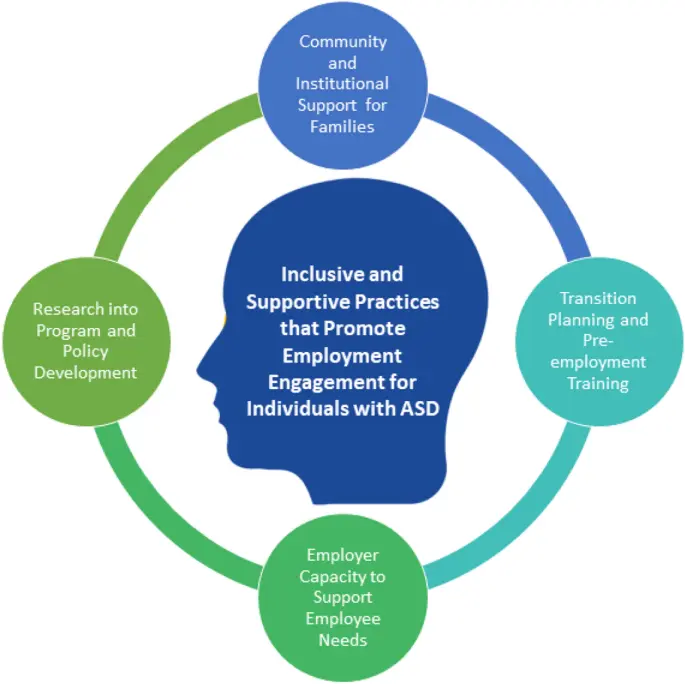
Figure 1: ASD Employee Training Strategic Framework
Employees with ASD improve general social relations and functioning within organizations by boosting team performance, problem-solving skills, and creative attitudes to problem-solving (Zhou et al., 2024). An article published by Deloitte showed that teams with cognitively diverse employees effectively outcompete monomorphic teams in the process of making decisions because diversity decreases the likelihood of groupthink while increasing innovation.
In addition to that, organizations that engage neurodiverse employees, have better employee engagement and lower turnover (Zhou et al., 2024). Employers can also improve employee commitment in the workplace by practising the aspects of workplace inclusion that hire for, increasing loyalty among the staff and spreading optimism to the rest of the workers.
Evidence-Based Interventions for Supporting Employees with ASD
For the specific targeted group, comprised of employees diagnosed with Autistic Spectrum Disorders (ASD), only realistic interventions based on scientific findings have to be implemented in an organization (Bishop-Fitzpatrick et al., 2018). These interventions increase the quality of life and work output of people with ASD and also promote employment for people who have ASD.
Small Changes for Workplace Environment
One of the main difficulties experienced by a person with ASD is to orient themselves in an environment that is unbearable or unnoticeable (Sauer et al., 2021). The changes do help lessen anxiety and in turn increase concentration levels. Employers can employ the cubical approach whereby several employees are provided with enclosed booths in an overall open space, to defeat sensory overload, such as from loud noises bright lights, or frequent disturbances. Employees might also be able to control lighting and noise levels more proficiently with additional movable equipment, such as panels. Well-defined and interactive communication referring to; signposts, written prompts, or organizing tools helps reduce confusion. Protocolized behaviours that have a definite timetable also create feelings of safety and enhance the efficiency of doing work, which is relevant for helping employees with ASD.
Training Programs and Managerial Support
Managers and employees need to be conscious and receptive to providing a workplace of diversity to all (Inegbedion et al., 2020). Supervisors should undergo education on the employment contexts of ASD, employee communication, conflict resolution, and the recognition of each talent. One way is to conduct a workshop or a seminar, in which a team investigates neurodiversity, thereby demystifying it. Other support programs include; where the organization initiates and fosters, mentorship and peer support, the mentor helps the employees with ASD in problem-solving as well as offering them career and emotional support (Manoharan, Sardeshmukh and Gross, 2019).
Job Role Customization
Effective matching of tasks to skills helps to optimize opportunities for employment of people with ASD. A lot of people who have been diagnosed with ASD tend to be good in positions that involve numeral accuracy, structure, and repetition like in data entry, quality inspector, or coder. As for accommodations that can be made in the workplace, instead of adjustments, it is possible to mention that people with sensory sensitivities may find flexible work arrangements helpful – whether they work from home from time to time or work part-time (Griffiths et al., 2020). Incongruously these managed arrangements have the effect of increasing staff turnover and satisfaction, especially amongst neurodiverse workers.
Government Policies and Integration of ICT
Engineering aspects or the known organizational policies and assistive technologies have large roles to play in the construction of organizational success in this area. It is recommended to use speech-to-text applications, organisation applications and other sensory regulation tools for comfort and productivity (Griffiths et al., 2020). Selective procedures should also change because they may be detrimental to the neurodiverse applicants; skills should outweigh the regular interview format. Specific programmes must be therefore set in place to ensure that neurodiverse people attain employment, and established companies such as Microsoft and SAP have set special programmes in place for neurodiverse employees. Counselling services or EAP guarantee all employees having ASD that they are valued in the organization (Fong et al., 2021). Consulting with professionals in ASD-friendly workplace initiatives will also advance organizational attempts at Diversity.
Microsoft’s Neurodiversity Hiring Program: Microsoft’s initiative for neurodiverse talent targets for their scheme is to change the way of hiring to recruit their talent. Comparatively, they substituted interviews with skill testing and project-based assessments, which means reasonable offers to those with ASD. JG (Job Gainers) are given role models and job tutors to assist them in their transition to the workplace (Fong et al., 2021).
SAP’s Autism at Work Program: Specific to onboarding and support, SAP currently provides organizations that employ people on the ASD spectrum structured procedures and services for the staff member (Cruwys et al., 2022). An example is to offer employer-initiated support options for employees with ASD such as specially created low-stimulation work zones, quiet zones, and flexibility in working schedules. SAP also provides mentors who guide them on how to deal with people at work and to lessen stress.
Ford Motor Company: Ford’s inclusive hiring program is also involved in offering job coaches and continued support for neurodiverse candidates. They have been able to include those with ASD in positions like software testing and quality assurance because people with ASD are very detail-oriented (Cruwys et al., 2022).
Positive Impacts on Psychological Wellbeing
The social inclusion of employees with Autistic Spectrum Disorders (ASD) in an organization has numerous benefits on their quality psychological health (Emam et al., 2024). In this way, the implementation of useful adjustments and the creation of inclusive settings improves the counter-emotional and counter-psychological state of neurodiverse workers considerably. Examples of positive practices that have been implemented and can attest to corresponding outcomes are presented in the following sections to support these benefits and demonstrate change in the experiences of individuals with ASD in the workplace (Tomczak, 2020).
Social Inclusion
Employees with ASD are enabled to feel part of organizational culture when the organization has policies and practices of diversity and inclusion (Tomczak, 2020). For instance, we have Microsoft Company and SAP Company, which have integrated neurodiversity hiring programs meant to create a friendly environment. These programs involve the identification of a match between roles and individual abilities and resolve. Various employees in these environments are likely to express that they are appreciated for their special skills, hence improving their assertiveness and interaction. For instance, at SAP Company, the Autism at Work program involves new employees sitting with tutors who help how handle various instances within the workplace, to quickly integrate into their Teams (Hasson et al., 2022).
Minimising Stress With Changes in the Physical Environment
Applicable adjustments to the physical environment at the workplace are useful in the reduction of stress in employees diagnosed with ASD. For instance, organizing an accessible work environment with the production of glasses which control the amount of light, and earphones that reduce sound enhances decreased sensitivity. EY has general quiet zones and flexible working schedules to accommodate colleagues with neurological variations. These adaptations have made it easier for the employees with ASD to concentrate, as it has pleased them, and reduced anxiety levels among such staff. Another way that structure works to reduce stress is that employees also get set hours and well-defined rosters, which reduces an individual’s perception that their working context is out of control.
Improved mental toughness due to training programs
This is added to by training that managers and peers undergo to understand neurodiversity. For example, in JPMorgan Chase, management teaches teams how to assess the requirements of neurodiverse workers and avoid misjudging them. These initiatives create a social acceptance situation where employees diagnosed with ASD do not feel pressured or socially discriminated against (Zwilling and Levy, 2022).
People to Develop and Gain Confidence
It is noted that well-defined positions fitting the characters and abilities of persons with ASD do benefit these people, as well as improve their self-esteem. For example, Specialisterne is a consultancy company that focuses on employing Neurodiverse people in a position which requires precision at a workplace in software testing or data analysis (Zwilling and Levy, 2022). Organization’s human capital reveals that they feel a great deal of accomplishment and pride in their work thus improving their health.
Policies Promoting Emotional Health
Additional policies recognized as beneficial for employees with ASD are EAPs and routine mental health checks among other benefits (Bouzikos et al., 2022). For instance, Ford Motor Company has connected with neurodiversity specialists to provide its neurodiverse workers with coaching and counselling. Through this means, employees can easily make use of resources needed for coping with organizational issues that may affect their well-being. Such programs help enhance psychological security that cuts across burn thereby encouraging continuity (Doda, Kennedy and Kaur, 2024).
Explore our Humanities Assignment Help service for critical, research-based academic support across humanities disciplines.
Humanities Assignment Help UK MLAStronger Working Relations and Social Inclusion
The results reveal that both the established mentoring and peer support programmes increase the social inclusion of staff diagnosed with ASD (Feeney and Burke, 2021). It’s one of the key components of its neurodiversity inclusion approach, which involves placing specially trained diverse inclusion buddies to ease the transition into work. Employers with ASD are advantaged by having an advocate who can help them in complex social situations. Therefore, they build more corporate bonds with co-workers and become affiliated with crews, resulting in enhanced organizational hydrographic and emotional health (Shea et al., 2022).
Examples from the business world showcase how organizations like SAP, Ernst & Young, JPMorgan Chase, and Ford Motors, among others are unique ways through which the inclusion of these employees enhances their psychological health with ASD. From changing the colour of the lights to decreasing stress to the management of individual skill development through work design, these adaptations build conditions for the success of neurodiverse workers. When diversity and appropriate measures are considered, businesses not only promote positive mental health among their staff but ensure that employees reach their full human potential, to the diverse orientations of other people.
Effective academic support and assignment samples are delivered by Native Assignment Help, providing well-organised samples, clear structure, and plagiarism-free content to support understanding and successful assignment completion.
Conclusion and Persuasive Summary
Employees with ASD must be integrated into the workplace for reasons of ethical and legal aspects for organizations, but it is also important because this is a competitive asset. As it has been revealed by the findings of the California research, organizations can benefit from the ASD talents and skills, emphasizing on aspects like diligence, critical thinking, ability to work in special niches, focus. Examples from Microsoft, SAP, and Ernst & Young show that through accommodation activities, including sensory environments, reasonable accommodations during the recruitment process, and OSDP or structured support programs, autistic employees are able to succeed in their work and provide organisational value.
Furthermore, the use of inclusive interventions such as accommodation, organizational and managerial training, and job redesign enhances the psychological health, decreases stress levels, and increases employability and organisational affiliation with neurodiverse workforce. They also have a snowball effect on the general staff morale and prop the establishment of more welcoming workplace environment. Companies which pay attention to neurodiversity proved they are socially oriented and innovative, get the best employees, and improve their image.
The case for integrating employees with ASD is clear: In some form or the other it is useful to individuals, organizations, and the society at large. By embracing inclusion, organizations promote improved performance, develop diverse and strong corporate culture and promote diversity as a driving force for change. The future of neurodiversity is now: it is time to unite for creating working conditions which allow every person with neurodiversity to be successful and happy.
References
- Bishop-Fitzpatrick, L., Dababnah, S., Baker-Ericzén, M.J., Smith, M.J. and Magaña, S.M. (2018). Autism spectrum disorder and the science of social work: A grand challenge for social work research. Social Work in Mental Health, [online] 17(1), pp.73–92. doi:https://doi.org/10.1080/15332985.2018.1509411.
- Bouzikos, S., Afsharian, A., Dollard, M. and Brecht, O. (2022). Contextualising the Effectiveness of an Employee Assistance Program Intervention on Psychological Health: the Role of Corporate Climate. International Journal of Environmental Research and Public Health, 19(9), p.5067. doi:https://doi.org/10.3390/ijerph19095067.
- Cruwys, T., Fong, P., Evans, O. and Rathbone, J.A. (2022). A community-led intervention to build neighbourhood identification predicts better wellbeing following prolonged COVID-19 lockdowns. Frontiers in Psychology, 13. doi:https://doi.org/10.3389/fpsyg.2022.1030637.
- Doda, V., Kennedy, C. and Kaur, M. (2024). Policies for Individuals With Autism: Gaps, Research, and Recommendations. Cureus, [online] 16(1). doi:https://doi.org/10.7759/cureus.51875.
- Emam, M.M., Gaafar Ali, D., Eswaramangalam, A., Mohamed Helmy, N., Hemdan, A., Ismael, M., H. Shaker, M. and Almaawali, M. (2024). Social inclusion of children with autism spectrum disorders and mothers’ mental health in two Arabic-speaking countries: a mediational model of culture and resilience. International Journal of Developmental Disabilities, 70(6), pp.1031–1043. doi:https://doi.org/10.1080/20473869.2024.2378248.
- Equality and Human Rights Commission (2020). Disability Discrimination | EHRC. [online] www.equalityhumanrights.com. Available at: https://www.equalityhumanrights.com/equality/equality-act-2010/your-rights-under-equality-act-2010/disability-discrimination [Accessed 10 Dec. 2024].
- Feeney, K.E. and Burke, S.L. (2021). The role of mentorship on social engagement among adolescents with autism spectrum disorders. Research in Autism Spectrum Disorders, 88, p.101842. doi:https://doi.org/10.1016/j.rasd.2021.101842.
- Fong, C.J., Taylor, J., Berdyyeva, A., McClelland, A.M., Murphy, K.M. and Westbrook, J.D. (2021). Interventions for improving employment outcomes for persons with autism spectrum disorders: A systematic review update. Campbell Systematic Reviews, 17(3). doi:https://doi.org/10.1002/cl2.1185.
- Griffiths, A.J., Hanson, A.H., Giannantonio, C.M., Mathur, S.K., Hyde, K. and Linstead, E. (2020). Developing Employment Environments Where Individuals with ASD Thrive: Using Machine Learning to Explore Employer Policies and Practices. Brain Sciences, 10(9), p.632. doi:https://doi.org/10.3390/brainsci10090632.
- Hasson, L., Keville, S., Gallagher, J., Onagbesan, D. and Ludlow, A.K. (2022). Inclusivity in education for autism spectrum disorders: Experiences of support from the perspective of parent/carers, school teaching staff and young people on the autism spectrum. International Journal of Developmental Disabilities, [online] 0(0), pp.1–12. doi:https://doi.org/10.1080/20473869.2022.2070418.
- Hodges, H., Fealko, C. and Soares, N. (2020). Autism spectrum disorder: Definition, epidemiology, causes, and clinical evaluation. Translational Pediatrics, [online] 9(1), pp.55–65. doi:https://doi.org/10.21037/tp.2019.09.09.
- Inegbedion, H., Sunday, E., Asaleye, A., Lawal, A. and Adebanji, A. (2020). Managing diversity for organizational efficiency. SAGE Open, 10(1), pp.1–10. doi:https://doi.org/10.1177/2158244019900173.
- Manoharan, A., Sardeshmukh, S.R. and Gross, M.J. (2019). Informal Diversity Management Practices and Their effectiveness: in the Context of Ethnically Diverse Employees in Hotels. International Journal of Hospitality Management, [online] 82(1), pp.181–190. doi:https://doi.org/10.1016/j.ijhm.2019.05.003.
- Sauer, A.K., Stanton, J.E., Hans, S. and Grabrucker, A.M. (2021). Autism Spectrum Disorders: Etiology and Pathology. PubMed. [online] doi:https://www.ncbi.nlm.nih.gov/books/NBK573613/.
- Shea, L.L., Wong, M.-Y., Song, W., Kaplan, K., Uppal, D. and Salzer, M.S. (2022). Autistic-Delivered Peer Support: A Feasibility Study. Journal of Autism and Developmental Disorders. doi:https://doi.org/10.1007/s10803-022-05816-4.
- Tomczak, M.T. (2020). Employees With Autism Spectrum Disorders in the Digitized Work Environment: Perspectives for the Future. Journal of Disability Policy Studies, p.104420732091994. doi:https://doi.org/10.1177/1044207320919945.
- Zhou, K., Alam, B., Bani-Fatemi, A., Howe, A., Vijay Kumar Chattu and Behdin Nowrouzi-Kia (2024). Autism spectrum disorder in the workplace: a position paper to support an inclusive and neurodivergent approach to work participation and engagement. Discover Psychology, 4(1). doi:https://doi.org/10.1007/s44202-024-00150-5.
- Zwilling, M. and Levy, B. (2022). How Well Environmental Design Is and Can Be Suited to People with Autism Spectrum Disorder (ASD): A Natural Language Processing Analysis. International Journal of Environmental Research and Public Health, 19(9), p.5037. doi:https://doi.org/10.3390/ijerph19095037.
Go Through the Best and FREE Samples Written by Our Academic Experts!
Native Assignment Help. (2026). Retrieved from:
https://www.nativeassignmenthelp.co.uk/cognitive-psychology-assignment-sample-43791
Native Assignment Help, (2026),
https://www.nativeassignmenthelp.co.uk/cognitive-psychology-assignment-sample-43791
Native Assignment Help (2026) [Online]. Retrieved from:
https://www.nativeassignmenthelp.co.uk/cognitive-psychology-assignment-sample-43791
Native Assignment Help. (Native Assignment Help, 2026)
https://www.nativeassignmenthelp.co.uk/cognitive-psychology-assignment-sample-43791
- FreeDownload - 42 TimesThe Impact of Oil Prices on the Global Economy Assignment Sample
The First Summative Assessment 1.0 Introduction a. Research Question How...View or download
- FreeDownload - 41 Times5OS01 Specialist Employment Law Assignment Example
Introduction - 5OS01 Specialist Employment Law Assignment This is identified...View or download
- FreeDownload - 41 TimesCriminal Law Assignment Sample
1.0 Introduction The term “criminal liability” can also be...View or download
- FreeDownload - 39 TimesDeveloping Teaching, Learning And Assessment In Education And Training Assignment Sample
INTRODUCTION - Developing Teaching, Learning And Assessment In Education...View or download
- FreeDownload - 40 TimesLCBB5003 Management Economics Assignment Example
LCBB5003 Management Economics Introduction-LCBB5003 Management Economics Fast...View or download
- FreeDownload - 42 TimesCBB102 Education And Special Educational Needs assignment sample
Introduction of Education And Special Educational Needs Special education...View or download
-
100% Confidential
Your personal details and order information are kept completely private with our strict confidentiality policy.
-
On-Time Delivery
Receive your assignment exactly within the promised deadline—no delays, ever.
-
Native British Writers
Get your work crafted by highly-skilled native UK writers with strong academic expertise.
-
A+ Quality Assignments
We deliver top-notch, well-researched, and perfectly structured assignments to help you secure the highest grades.