
Introduction
Low Anterior Resection Syndrome (LARS) is a frequent complication after low anterior resection (LAR) surgery for rectal cancer. Presents as a group of symptoms of bowel dysfunction such as faecal urgency, incontinence, frequent bowel movements, and a feeling of incomplete emptying. Bowel incontinence (LARS) is due mostly to surgical disruption of the rectal reservoir and damage to autonomic nerves, resulting in impairment of normal elimination control. Patients with the syndrome can have a very poor quality of life. Sphincter-preserving rectal cancer surgery at an estimated up to 80% of patients experience some degree of LARS, and nearly half of the patients suffer moderate to severe symptoms.
For students working on complex healthcare and nursing topics, Native Assignment Help provides academic support aligned with UK university standards. Our Assignment Help Service can assist with structuring clinical case studies, evaluating research evidence, and presenting healthcare topics clearly and academically.
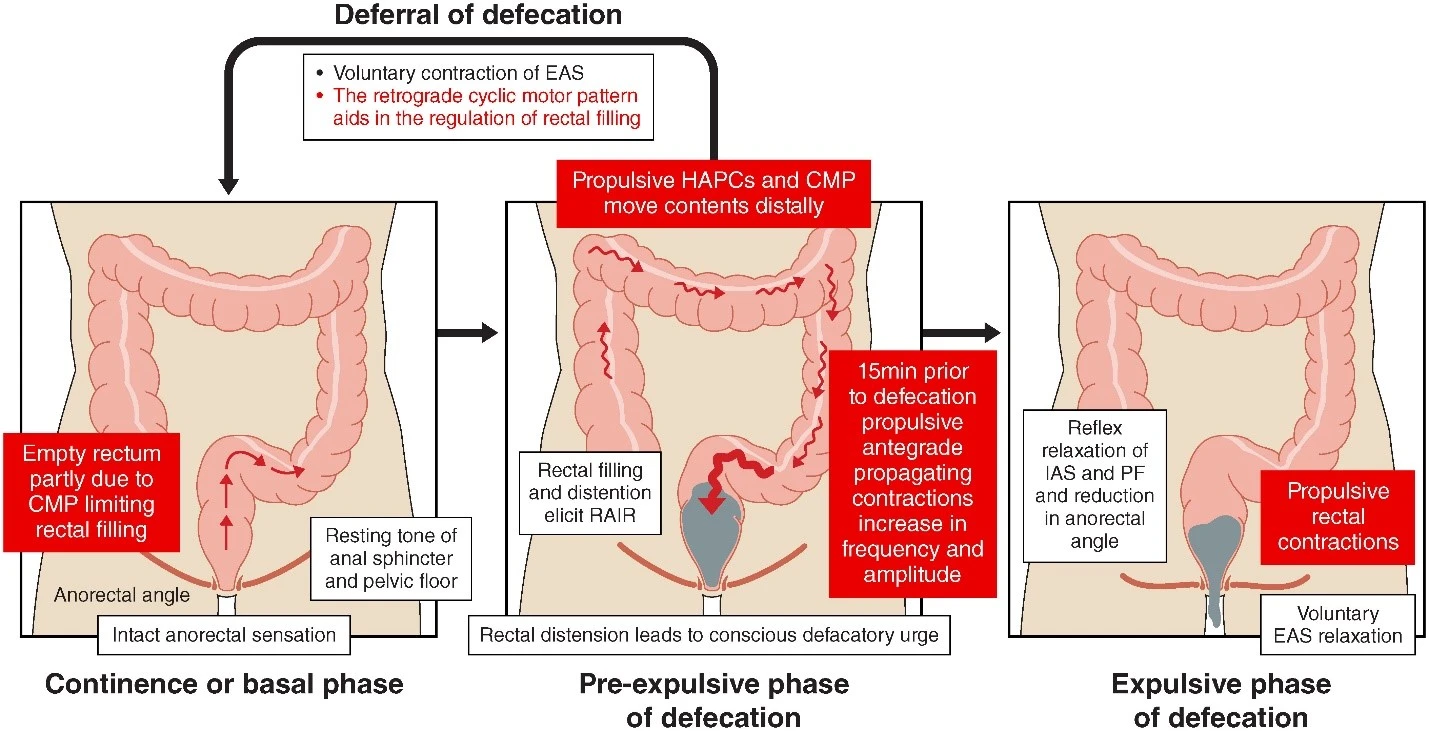
Figure 1: Physiological mechanisms of defecation with a focus on the role of colonic motility
Pathophysiology of LARS
LARS is caused when anatomical and functional changes occur after low anterior resection surgery (where part of the rectum is removed). The rectum serves as a reservoir for the storage of stool and control of defecation, as it normally does. Partial or complete removal of it reduces its capacity, clearing of bowel with rapid transit of stool through the remaining bowel. Surgical disruption also disrupts autonomic nerves controlling bowel motility and sphincter function, leading to diarrhea and incontinence (Asnong et al.2022). This causes greater numbers of bowel movements, a sense of urgency to defecate, and incontinence. Also, the patients experience incomplete evacuation, and stools are often fragmentary. Impaired sensory feedback and loss of rectal compliance add to poor coordination during defecation, making the problem worse. These alterations collectively lead to tremendous bowel dysfunction, as is usually found in LARS, and their effects are extensive on the patients’ activities of daily living.
Impact of quality of life
Patients with Low Anterior Resection Syndrome (LARS) are rendered unable to lead a normal quality of life due to psychosocial and organic problems. A range of unpredictable bowel symptoms, such as urgency and incontinence, can result in a great deal of embarrassment, anxiety, and social withdrawal. A lot of the patients lose their confidence and become fearful that they might have to stay in their house, which may affect relationships and work life. Frequent bowel movements and urgent bowel movements limit daily activities, take it away from travel, and often impair physical independence (Pape et al.2021). These patient-reported outcomes include decreased overall well-being, and many describe a life where everything has to be planned around bowel management. Together, they impact life satisfaction and lead to emotional stress, reinforcing the need for effective symptom management to enhance complete patient care.

Figure 2: Anatomy of colon and rectum prior to low anterior resection
Loperamide Overview
The synthesized opioid most commonly used in anti-diuretic medication is loperamide. It does this by decreasing the motility of the intestine (how often it contracts to move the stool through) and increasing the tone (tightness) of the anal sphincter, thereby helping to control stool frequency and urgency. Oral doses from 2 to 16 mg per day, depending on the degree of disease severity, are typical (Ryoo, 2023). When used as directed, loperamide has a low systemic absorption and low risk of causing central nervous system side effects, so the safety profile is favorable. It is usually well tolerated, but if used over a long time needs close monitoring to avoid constipation.
Loperamide Use
NICE guidelines and an expert consensus in the UK recommend loperamide as a first-line treatment for bowel symptoms associated with Low Anterior Resection Syndrome (LARS) (Nice.org.uk.2022). Clinical trials and systematic reviews show it reduces stool frequency and improves continence. Although the majority of studies examine short-term outcomes, evidence supports the safety and symptom relief when non-pharmacological interventions (diet and behavior’s) are employed in combination (Garfinkle, 2021). While there is some variability among different patients' responses, loperamide continues as a generally accepted and practical method of symptom control in LARS patients.
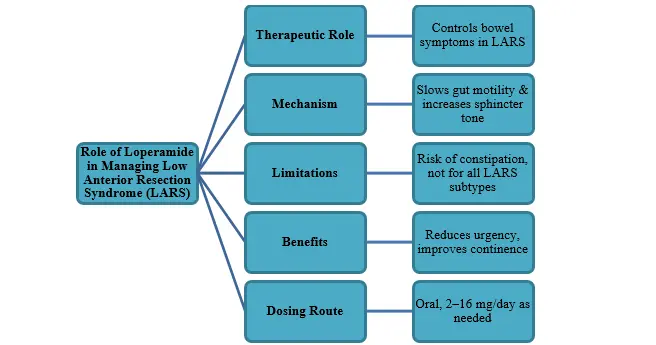
Figure 3: Role of Loperamide in Managing Low Anterior Resection Syndrome (LARS)
Comparative therapies
These biofeedback, alteration of diet, and alternative drugs, in addition to loperamide, are important to the management of Low Anterior Resection Syndrome (LARS). Biofeedback therapy is moderately effective in reducing symptoms, but it needs patient motivation and requires multiple sessions, which may affect patient adherence to the treatment. The treatment is dietary changes such as increasing soluble fiber and avoiding irritants, which are simple and well tolerated, though the effectiveness of each is variable. Other medications, such as bulk manipulating agents and anticholinergics, are commonly utilized, although there is little evidence backing their use and possible side effects (Emile et al.2023). These therapies may have a slower onset or less consistent effect than loperamide, which provides rapid symptom relief and ease of use. Patient adherence is partly a product of complexity, side effects, and whether enough perceived benefit is received relative to other options, but the use of multiple approaches at once can yield better outcomes than a singular approach would.
Clinical case example
The example of an 62-year-old male patient on whom low anterior resection for rectal cancer was performed had moderate Low Anterior Resection Syndrome (LARS) with frequent bowel movements, urgency, and occasional incontinence. It caused significant disruption to the patient's lifestyle, especially social activities and work. For initial management, dietary adjustments and pelvic floor exercises are tried, but with limited improvement (Zhang et al.2023). The drug was then introduced at 4 mg daily, and the drug dose was increased gradually to 8 mg based on symptom control and tolerance. Four weeks later, the patient had a reduced stool frequency and increased continence with increased confidence for daily activities. There was a better score of quality of life and better adherence to medication, but no adverse effects in follow-up assessments(Patel et al.2023). Loperamide is shown to be an effective symptomatic treatment, used within a multidisciplinary management plan, in this case for LARS.
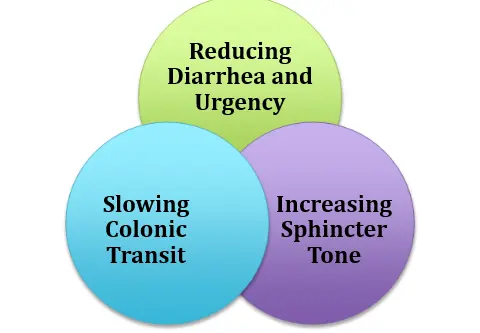
Figure 4: Loperamide's role
Clinical appraisal of evidence
Loperamide for Low Anterior Resection Syndrome is intriguing from a current standpoint, with new research that promises good symptom relief, but it has serious limitations. Few studies have small sample sizes, which reduces generalizability. Short-term symptom control is often the major outcome measure, with little use of validated quality of life tools. Sustained efficacy and safety information is scarce, given long-term data (Solnica et al.2022). The result consistency is affected by some of the trials having heterogeneous patient populations or missing control groups. Clear demonstration of loperamide’s mechanism and immediate benefits in stool frequency reduction are strengths.
Limitations of Loperamide
Loperamide is widely used in the management of Low Anterior Resection Syndrome (LARS), but it has limitations. Risks of constipation with higher doses or long term use are major; dose and management as needed. Use of the opiates over prolonged periods of treatment (up to 6 months) can also lead to the development of reduced responsiveness or tolerance such that treatment breaks or alternative therapies are required (Cirillo et al.2024). In addition, loperamide is not uniformly efficacious on all LARS subtypes; not all patients respond equally well and patients with predominant urgency and complex pelvic floor dysfunction may benefit the least from loperamide. Its action is upon motility, not on the wide neurophysiological changes which occur after rectal surgery (Karunarathna et al.2024). Thus loperamide can be viewed as a benefit for many, but should ultimately be considered part of a personalized, multimodal treatment plan rather than a one-size-fits-all solution.
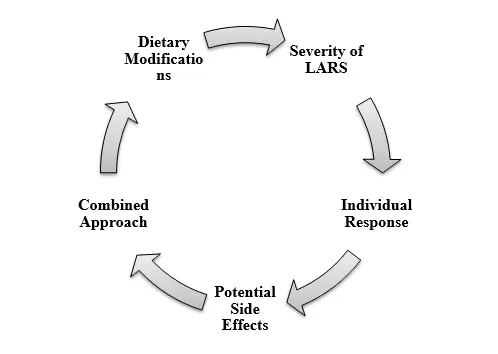
Figure 5: Loperamide's Patient-Centered Considerations
Patient-centered considerations
Poster Design rationale (Layout commentary)
The poster is conceived of as sixteen individual A4‐sized slides to be assembled into one A0 display in a 4 × 4 grid (four vertical columns, each containing four slides). The columns run left to right; inside the column, slides are shown top to bottom when the file is printed and mounted. According to the tutor or the peer, the slides should be positioned this way.
Column 1 (Leftmost): slide 1-4
Slide 1 (Top): title
Slide 2 (below slide 1): Introduction to LARS
Slide 3 (below slide 2): pathophysiology of LARS
Slide 4 (bottom of the column): Impact on quality of life
Column 2 (Second from left): Slide 5-8
Slide 5 (top): Loperamide overview
Slide 6 (below slide 5): evidence supporting loperamide use
Slide 7 (below slide 6): comparative therapies
Slide 8 (bottom of the column): Clinical case example
Column 3 (third from left): Slides 9-10
Slide 9 (top): critical appraisal of evidence
Slide 10 (below slide 9): limitation of loperamide
Column 3 (rightmost): Slides 11 -12
Slide 11 (top): Conclusion
Slide 12 (below slide 11): Reference
A viewer's eye, in any case, when the poster is displayed face‐to‐face, naturally starts at the top of column 1 and goes down it, then to the top of column 2 and so on. It gives you a vertical‐then‐rightward progression that does not complicate the logic of a narrative with diagonal scanning. The bottom corner of each slide is labelled (e.g., “Slide 1 of 16”) in order to help you figure out which slide goes where. To create continuity among the slides the four columns barely fit in the A0 frame (1.2 m × 0.9 m) and there is very little white space between the columns. The dimensions of the text and images are identical to the sixteen A4 slides with the exception of the size of the font and images in order to be readable at poster scale. Overall this layout is very easy for someone to print each A4 page, place them in four columns on a wall or board and then have the entire A0 poster.
Conclusion
Loperamide has an important therapeutic role in the symptomatic management of Low Anterior Resection Syndrome (LARS), in which it is effective in relieving diarrhoea, urgency and incontinence. It then presents a safe, well-tolerated option supported by clinical evidence and UK guidelines that can dramatically improve patient quality of life. However, these drugs have limitations such as risk of constipation and variable efficacy across laryngeal and/or tracheal stenosis (LARS) subtypes. It is still key to take a patient centred, personalised approach. Future practice will be evidence based but must be patient tailored and further clinical trials and evolving treatment strategies may see its use and integration with multimodal care refined.
Reference List
Journal
Asnong, A., Tack, J., Devoogdt, N., De Groef, A., Geraerts, I. and D'Hoore, A., 2022. Exploring the pathophysiology of LARS after low anterior resection for rectal cancer with high‐resolution colon manometry. Neurogastroenterology & Motility, 34(11), p.e14432.
Cirillo, I., Ariyawansa, J., Ali, S.R. and Atillasoy, E., 2024. Effect of loperamide on heart rhythm: Randomized, double-blind, controlled study in healthy adults. JAPhA Pharmacotherapy, 1(3), p.100006.
Emile, S.H., Garoufalia, Z., Barsom, S., Horesh, N., Gefen, R., Zhou, P. and Wexner, S.D., 2023. Systematic review and meta-analysis of randomized clinical trials on the treatment of low anterior resection syndrome. Surgery, 173(6), pp.1352-1358.
Garfinkle, R., 2021. Patient-centered approach to Low Anterior Resection Syndrome.
Karunarathna, I., Hapuarachchi, T., De Alvis, K. and Jayawardana, A., 2024. Optimizing IBS management: A patient-centered approach. ResearchGate. https://www. researchgate. net/publication/383276338 _Optimizing_IBS_Management_A_Patient-Centered_Approach, 65, p.81.
Pape, E., Pattyn, P., Van Hecke, A., Somers, N., Van de Putte, D., Ceelen, W., Van Daele, E., Willaert, W., Geboes, K. and Van Nieuwenhove, Y., 2021. Impact of low anterior resection syndrome (LARS) on the quality of life and treatment options of LARS–A cross sectional study. European Journal of Oncology Nursing, 50, p.101878.
Patel, A., Rine, N.I., Spiller, H.A., Hays, H., Badeti, J., Zhu, M., Ding, K. and Smith, G.A., 2023. Loperamide cases reported to United States poison centers, 2010–2022. Injury epidemiology, 10(1), p.61
Ryoo, S.B., 2023. Low anterior resection syndrome. Annals of Gastroenterological Surgery, 7(5), pp.719-724.
Solnica, A., Liebergall-Wischnitzer, M. and Shussman, N., 2022. Nursing Recommendations for Symptom-Specific Self-care of Low Anterior Resection Syndrome: A Systematic, Scoping Review of the Literature. Cancer Nursing, pp.10-1097.
Zhang, R., Luo, W., Qiu, Y., Chen, F., Luo, D., Yang, Y., He, W., Li, Q. and Li, X., 2023. Clinical management of low anterior resection syndrome: review of the current diagnosis and treatment. Cancers, 15(20), p.5011.
Website citation:
Colorectal cancer (update) [E2] Optimal management of low anterior resection syndrome NICE guideline NG151. Available at: https://www.nice.org.uk/guidance/ng151/evidence/e2-optimal-management-of-low-anterior-resection-syndrome-pdf-253058083677. [Accessing on: 20.07.2023]
Go Through the Best and FREE Samples Written by Our Academic Experts!
Native Assignment Help. (2026). Retrieved from:
https://www.nativeassignmenthelp.co.uk/loperamide-in-the-management-of-low-anterior-resection-syndrome-assignment-52256
Native Assignment Help, (2026),
https://www.nativeassignmenthelp.co.uk/loperamide-in-the-management-of-low-anterior-resection-syndrome-assignment-52256
Native Assignment Help (2026) [Online]. Retrieved from:
https://www.nativeassignmenthelp.co.uk/loperamide-in-the-management-of-low-anterior-resection-syndrome-assignment-52256
Native Assignment Help. (Native Assignment Help, 2026)
https://www.nativeassignmenthelp.co.uk/loperamide-in-the-management-of-low-anterior-resection-syndrome-assignment-52256
- FreeDownload - 41 TimesA8120 Conveyor Automated Component Removal System Assignment Sample
Introduction A8120 conveyor system is a conveyor belt system that belongs to...View or download
- FreeDownload - 39 TimesPatient Assessment Assignment Sample
Patient Assessment Assignment Sample Q1: History Taking Don’t let...View or download
- FreeDownload - 40 TimesReflective Study of Leadership Diary Assignment Sample
Reflective Study of Leadership Diary If you want to be successful in your...View or download
- FreeDownload - 39 TimesThe Role Of The Construction Manager In Modern Construction Management Sample
1. Introduction 1.1 The role of a construction manager (CM) CM has the...View or download
- FreeDownload - 40 TimesApplying Entrepreneurship in Global Context - GBM6AEN Assignment Example
Applying Entrepreneurship in a Global Context INTRODUCTION Entrepreneurship...View or download
- FreeDownload - 40 TimesLeadership And Management Theories And Principles Assignment Sample
Introduction Leadership refers to an ability of the person to lead, guide and...View or download
-
100% Confidential
Your personal details and order information are kept completely private with our strict confidentiality policy.
-
On-Time Delivery
Receive your assignment exactly within the promised deadline—no delays, ever.
-
Native British Writers
Get your work crafted by highly-skilled native UK writers with strong academic expertise.
-
A+ Quality Assignments
We deliver top-notch, well-researched, and perfectly structured assignments to help you secure the highest grades.