
- Introduction
- Section: 1
- Contribution to the Idea of Germ Theory
- Development of Epidemiology
- Development of Vaccination
- Section: 2
- Cause and transmission of different pathogens
- The entry of a Pathogen and the Response of the body
- Disease through different pathogens
- Section: 3
- Examining the role of the various kinds of white blood cells (WBCs)
- Examining the mechanism of the particular immune response
- Section: 4
- Discussing the various kinds of vaccines and the way they work
- Evaluating the way vaccination enhances the chance of immunity to a pathogen
- Examining the way how the mentioned immunity reduces the spread of diseases
- Section:5
- Function of Antibody
- Resistance of Bacteria by Antibody
Introduction
In the current time, medical science has come a long way, highlighting rapid progress in the process of identifying and analysing the process of working of common diseases. In this situation, one of the most influential aspects is modern medicine. By focusing on this topic, the report aims to present the understanding of disease and the relevant process of recovery through the application of modern medicine.
Native Assignment Help offers academic guidance to help students understand medical science concepts and organise healthcare assignments effectively. An experienced Assignment Helper UK can support students in developing clear explanations of pathogens, immune responses and vaccination while structuring their work to meet UK university academic expectations.
Section: 1
The initial process of addressing an illness or disease is initiated from the understanding of the disease source and its operations. In general, diseases are considered illnesses that occur when tiny living beings come getting contact with the human body and maintain a continuous growth inside it. Some of the common organisms that can cause illness include viruses, bacteria, and parasites that live inside our bodies. Infectious diseases pose an ongoing threat to individual communities and global health, causing morbidity and mortality in the population (Shoghri et al, 2021). The transmission of the disease or illness, mostly infectious ones conducted through various ways such as human contact, carrying bacteria, or natural elements such as air or water. Thus, the ideal or ideal of preventing the spread of the disease is to take necessary precautions such as applying masks and respiratory protection. In addition to that, physical distance maintenance is also considered an effective way of limiting exposure to infectious illnesses.
Contribution to the Idea of Germ Theory
The time before the application of germ theory of disease, the general belief was that the main cause of a disease was due to supernatural phenomena such as planetary alignments, the effect of bad bodily humours, and the faulty environment. In that particular situation, the germ theory of disease came as ground ground-breaking phenomenon that highly revolutionized the idea and understanding of the disease and its relevant causes (Gaynes, 2023). This theory states that the causes of the specific disease are connected to the unnoticed invasions of specific microorganisms inside the human body. The term “germ” in the context of this theory encompasses not only bacteria but all types of microorganisms and even non-living pathogens, such as viruses, prions, and bacteria. Diseases attributable to these pathogens are termed infectious diseases (biologynotesonline.com, 2024). The understanding of the germ theory is the contribution of multiple scientists and researchers, including Dr. Ignaz Semmelweis and Dr. Robert Koch. Dr. Ignaz Semmelweis, who is also known as the “Savior of Mothers,” contributed a significant amount to children's health conditions, which significantly helped in reducing the mortality rates from puerperal fever, a deadly infection that plagued maternity wards in the 19th century (Paul et al., 2024). Regarding the germ theory, Ignaz Semmelweis highlights the importance of maintaining accurate statistics of hygiene, such as constant hand washing and suitable medical practices, which were effective in decreasing the transmission of diseases.
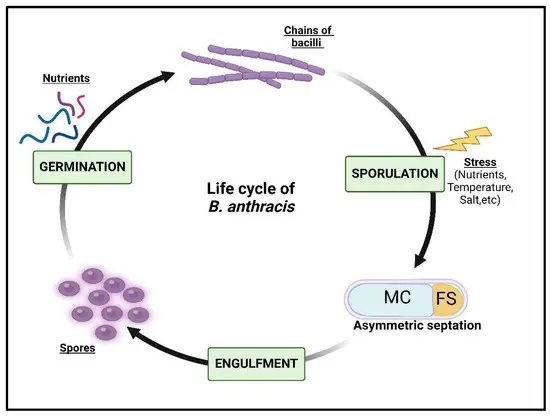
Figure 1: Bacterial Cycle of Anthrax Disease
Dr Robert Koch is one of the most influential names when it comes to the topic of bacteriology. The person is able to develop artificial techniques that allow modern science to understand the behaviours and patterns in bacterial movements. Ins discovered a cycle of disease transfer in presented in the above figure. His work regarding Anthrax contributes to the structural development of cures for the disease that contributes to micro bacterial organisms. In addition to that, he also practices multiple healthcare techniques such as isolations and immunity boosting techniques that are effective and contribute a significant portion to modern healthcare practices.
Development of Epidemiology
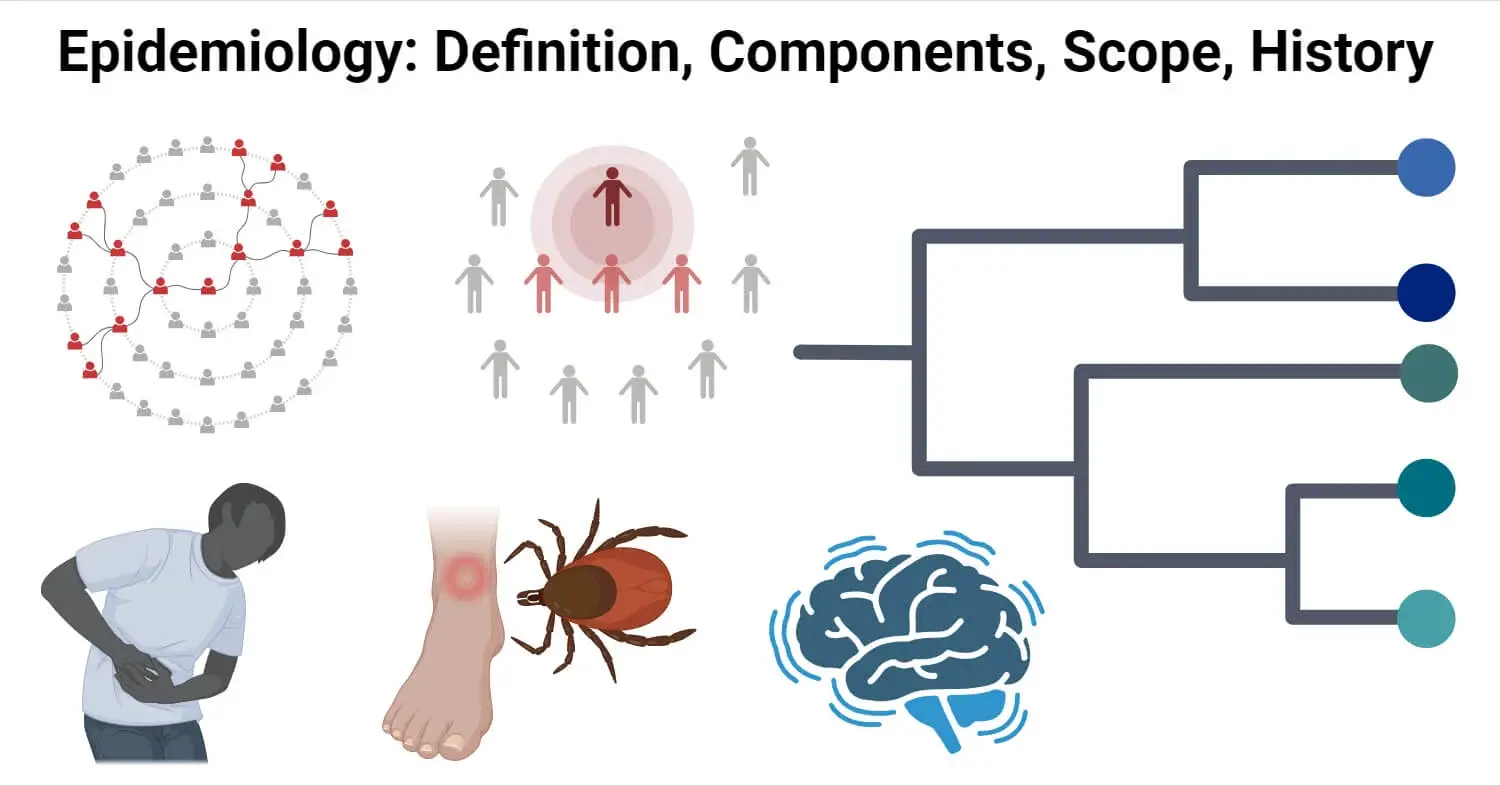
Figure 2: Epidemiology
Epidemiology is the study of how often diseases occur in different groups of people, where information is used to plan and evaluate strategies to prevent illness and as a guide to the management of patients in whom disease has already developed (Fox et al., 2022). Dr. John Snow contributed a major portion to the development of Epidemiology, which includes tracing and understanding the spread of disease. The person is well known for their work in tracing the source of cholera outbreaks and advancing the practice of anaesthesia, has left an indelible mark on modern medicine (Avdulla & Tachirai, 2024). His approach in pursuing a collection action in eliminating the public health challenges which further effective in the application of other diseases.
Development of Vaccination
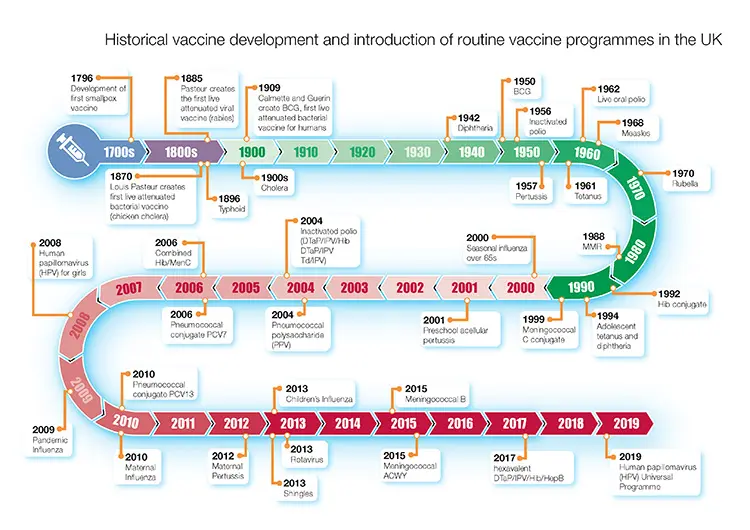
Figure 3: History of Vaccinations
For centuries, vaccinations have been considered to be one of the most effective ways of protecting humanity and the health of the human body from deadly diseases. The practices of vaccination began in the late 15th century when people were attending the smaller diseases like smallpox in order to prevent major outbreaks. However, Dr Edward Jenner is responsible for creating the world’s first successful vaccine. Dr. Jenner noticed that the human body can be immune to the two small pox it is potentially exposed to cowpox. With the acknowledgement of Dr Jenner’s work, Dr. Louis Pasteur also contributed to the medical history of vaccination by creating the world’s first laboratory-produced vaccine, which was dedicated to fowl cholera in chickens (who.int, 2025). Regarding the controversial treatment process and the major uncertainty in the research process, Dr. Pasteur successfully in completely eliminated one of the deadliest diseases of the 18th century that is rabies. He achieves this by constantly conducting post-exposure vaccinations. By the efforts of Dr Jenner and Dr. Pasteur, medical science has gone a long way in the concepts of vaccination, which helps us to tackle major diseases such as polio and COVID-19 and safeguard millions of innocent lives.
Section: 2
Cause and transmission of different pathogens
Pathogens are considered a different type of organisms that can able to cause major damage to the overall health of the human body. There are mainly five different types of pathogens that mostly cause damage to the human body, which include bacteria, viruses, fungi, protists, and Parasitic worms. The level of severity of pathogens is also very diverse, which often depends on the type of pathogens and the immunity level of the human body.
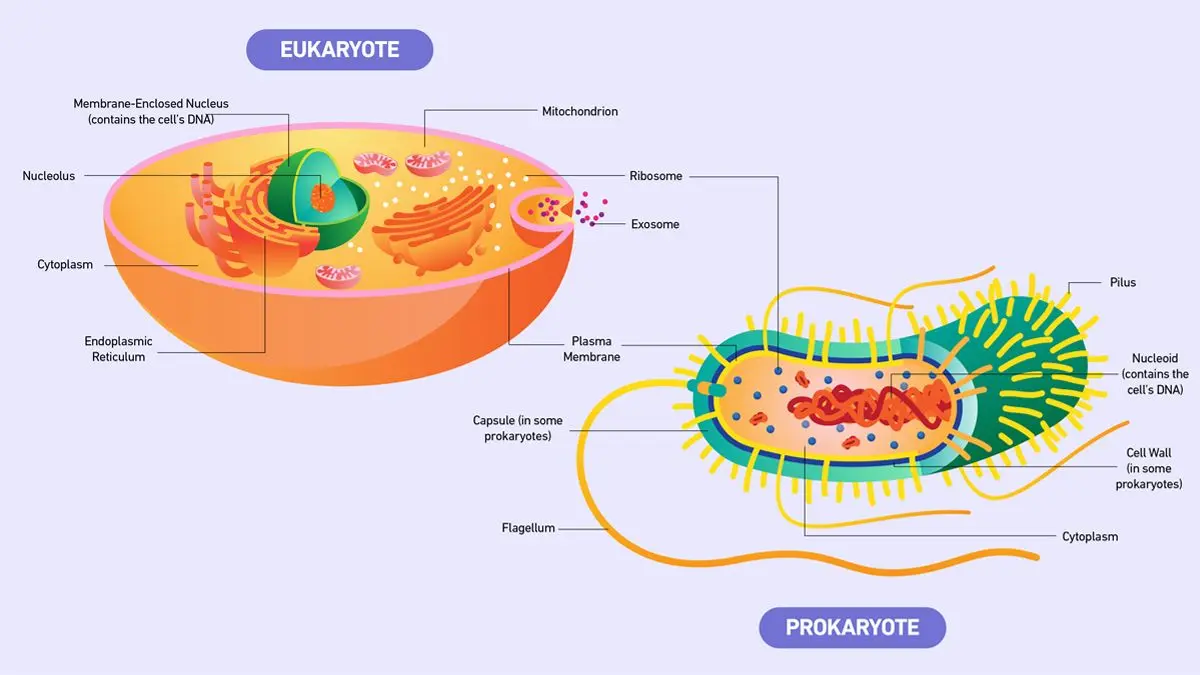
Figure 4: Pathogens Vs Eukaryotes
The above figure represents the structural difference between the structure of pathogens and eukaryotic cells. The pathogens, which include mostly bacteria, viruses, and fungi are often have simpler body constructions that make them individual living organisms. On the other hand, the eukaryotic cells are made of complex elemental structures, going through mitochondria and the exosome. This complex structure makes it a more advanced functional structure, which is mostly seen in the bodies of plants and animals.
The entry of a Pathogen and the Response of the body
Pathogens such as bacteria and viruses have multiple easy ways of entering a human body, such as physical contact or elimination efforts, such as air or water. Some of the bacteria and fungi do not need to go inside the human body to have negative effects. After the contact of unknown organisms with the human body, the body initiates an immune response, which is a way of preventing the pathogen from expanding. This includes the release elements such as T cells, B cells, and relevant antibodies, which are capable of destroying the outside element.
Disease through different pathogens
|
Viruses |
The virus is one of the deadliest types of pathogens that are constructed with a piece of genetic code, mostly in DNA or RNA form (Ball, 2023). The outer shell of the virus is protected with a layer of protein. After entering the human body, the virus uses the growth elements of the human body to increase its population while destroying the human cells. |
|
Bacteria |
Bacteria are the most common type of pathogens found in the human body. This pathogen is constructed with the structure of a single cell. The bacteria can able to survive in both the inner and outer environment of a human body while causing damage human immune system. |
|
Fungi |
The fungi have the highest survival rates among all the pathogens, as they are made of one nucleus and other cellular components. The outer structure of fungi is constructed with a thick shell that enables this pathogen to survive internal or external environmental processes. These are the main reasons for skin or body infection, particularly in overgrown structures. |
|
Parasites |
Parasites are organisms that behave like tiny animals, living in or on a host and feeding from or at the expense of the host (healthline.com, 2025). Inside the human body, the parasite's services are provided through consuming nutritional elements from the host body, including food and water. |
Table 1: Pathogen Categories
Section: 3
Examining the role of the various kinds of white blood cells (WBCs)
WBCs are critical for the defense system of the body, and all kinds of WBCs play an essential role in the well-being of individuals by responding to infections.
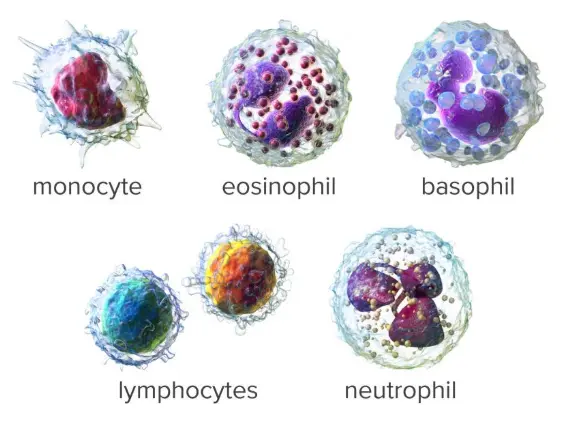
Figure 5: Different types of WBCs
Figure 5 showcases the different types of WBCs, including eosinophils, monocytes, basophils, neutrophils, and lymphocytes (medicalnewstoday.com, 2025). The role of these various kinds of WBCs has been discussed below:
Eosinophils: As per the opinions of Lombardi et al., (2022), the eosinophils have different kinds of the biological functions, such as host defense against infectious agents, keeping of homeostasis appropriately, immune regulation by balancing Th2 and Th1, anti-tumorigenic, and anti-inflammatory impacts. Therefore, it can be said that eosinophils prevent infection in the human body, especially fungal and parasitic infections.
Monocytes: It is another important WBC that protects the body from infections. It has been stated that monocytes were found among the COVID-19 patients (Knoll et al., 2021). This cell often acts as the early responder to infections by destroying the fungi and the bacteria directly. Besides, cytokines have been produced by the WBCs that tend to immune system.
Basophils: This WBC helps in preventing any kind of allergic reactions in the human body. As discussed by Chirumbolo et al., (2018), by activating, basophils improve the Th2-response in the case of any kind of allergy. The chemicals, like histamine, are extracted, leading to an immune system.
Lymphocytes: The adaptive immune approach encompasses the T as well as B lymphocytes, concerns antigen-specific reaction, which is particular in terms of pathogen (Agnello et al., 2021). It is regulated by the crosstalk with the inherent immune cells. It is critical for determining the damage to the tissue, followed by inflammation after infection.
Neutrophils: The cell is the foundational part of the immune system, and the phagocytosis procedure in which fungi and bacteria are directly destroyed.
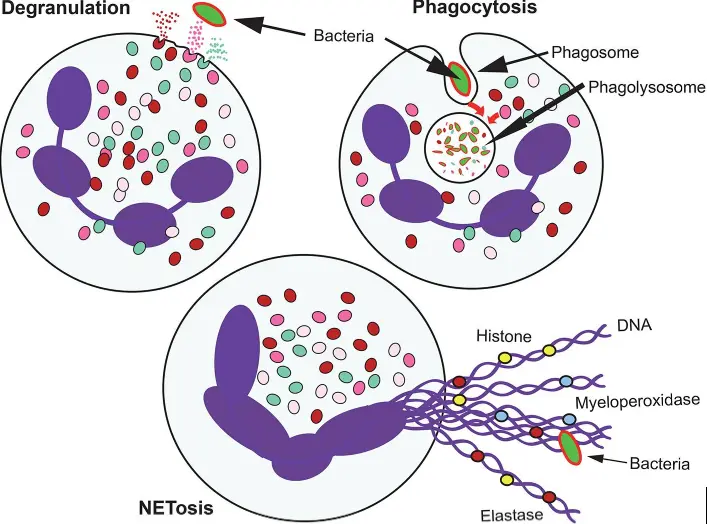
Figure 6: The functions of the neutrophils
The above figure showcases the core functions of the neutrophils involving degranulation, phagocytosis, along with the release of the nuclear material (Rosales, 2018). Besides, it has also been argued in the articles that cytokines are generated from this WBC, which helps in reducing infections by immunisng the system.
Examining the mechanism of the particular immune response
Innate immunity: Innate immunity is one of the most critical factors in which monocytes and neutrophils play an essential role. It is evident from the prior discussion that the latter cell tends to destroy the pathogens, while the former one for the clearance of the cellular debris. In this way, an immune system in innate in the human body.
Adaptive immunity
The next step after the innate immunity is the adaptive immunity. In this aspect, the T and B cells of the lymphocytes play a critical role. The B cells facilitate in production of the antibodies, and the T cells kill different types of the infected cells, and immune the system.
The process of the human response
At the time of the pathogen’s entrance into the human body, the macrophages and neutrophils take the initiative to destroy it quickly, and on the other hand, the B cells of the lymphocytes tend to develop antibodies.
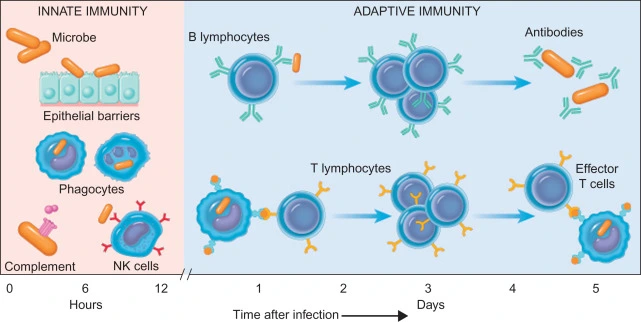
Figure 7: The WBCs' response to the infections
The above showcases the role of the WBCs in the human body in response to the infection. Followed by the B cells, as mentioned above, the T cells usually activate all kinds of immune cells, and all infections are killed in this way.
Section: 4
Discussing the various kinds of vaccines and the way they work
It is reported that different kinds of vaccines are found, including live-attenuated, inactivated, messenger RNA (mRNA), recombinant, subunit, conjugate, polysaccharide, viral vector, and toxoid vaccines (hhs.gov, 2025). The report further argues that the inactivated vaccines are usually used to kill the versions of the germs. It is used to address diseases such as hepatitis A, flu, rabies, and polio. Further, the live attenuated vaccine gives protection against the rotavirus, smallpox, yellow fever, chickenpox, and others. The mRNA vaccine is used to mitigate the disease of COVID-19. The viral vector vaccine is also used for the COVID-19 disease. Besides, the recombinant, subunit, conjugate, and polysaccharide vaccines are used to cure hepatitis B, hib, shingles, whooping cough, pneumococcal disease, and several others. Moreover, diseases like tetanus and diphtheria are cured with the help of the toxoid vaccine.
Evaluating the way vaccination enhances the chance of immunity to a pathogen
As per the opinions of Laupèze et al., (2021), the microbiome constantly develops in reaction to the external elements, including diet, the ingestion of pathogens, drugs, and other environmental disclosures.
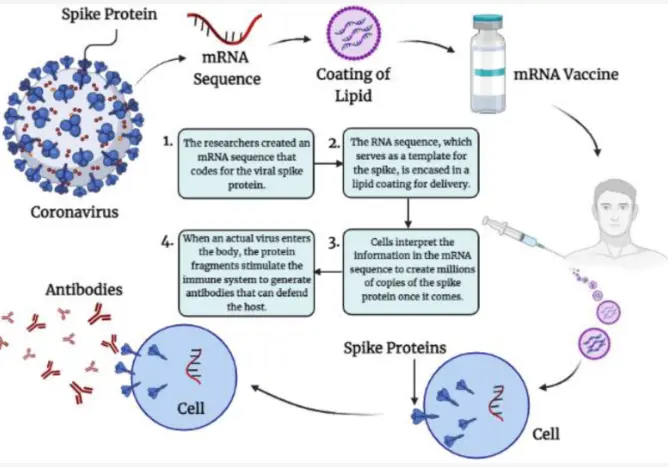
Figure 8: The way mRNA vaccines work against COVID-19
Figure 4 showcases the way mRNA vaccines protect the human body from the COVID-19 disease. The other vaccines also work in this particular way, like the mRNA. The antigens are the parts of the vaccines that further tend to trigger the response of the immune system. After entering the vaccines, the immune system is able to recognise the antigens, and the B cells usually produce the antibodies. After that, the T and B cells become memory cells, and when the human being who has been vaccinated is exposed to the pathogen, the memory cells become activated automatically. Finally, the benefits of the vaccines can be witnessed in the human body.
Examining the way how the mentioned immunity reduces the spread of diseases
The mentioned immunity helps in reducing the spread of the disease by following the below-mentioned ways.
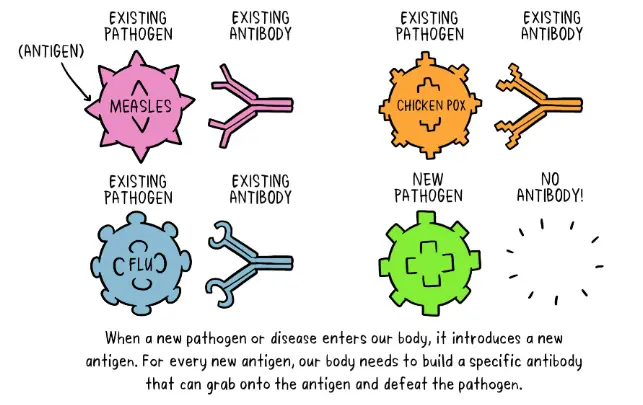
Figure 9: The way vaccines facilitate in helping diseases
The above Figure shows the way vaccines help in mitigating the diseases. It has been argued that the antigen-specific antibodies are combined with the immune system for destroying the pathogen. This further contributes to the prevention of the spread of disasters. It is evident that a vaccinated boy can be able to recognise the virus before infection, and reduce the severity of the disease.
Section:5
Function of Antibody
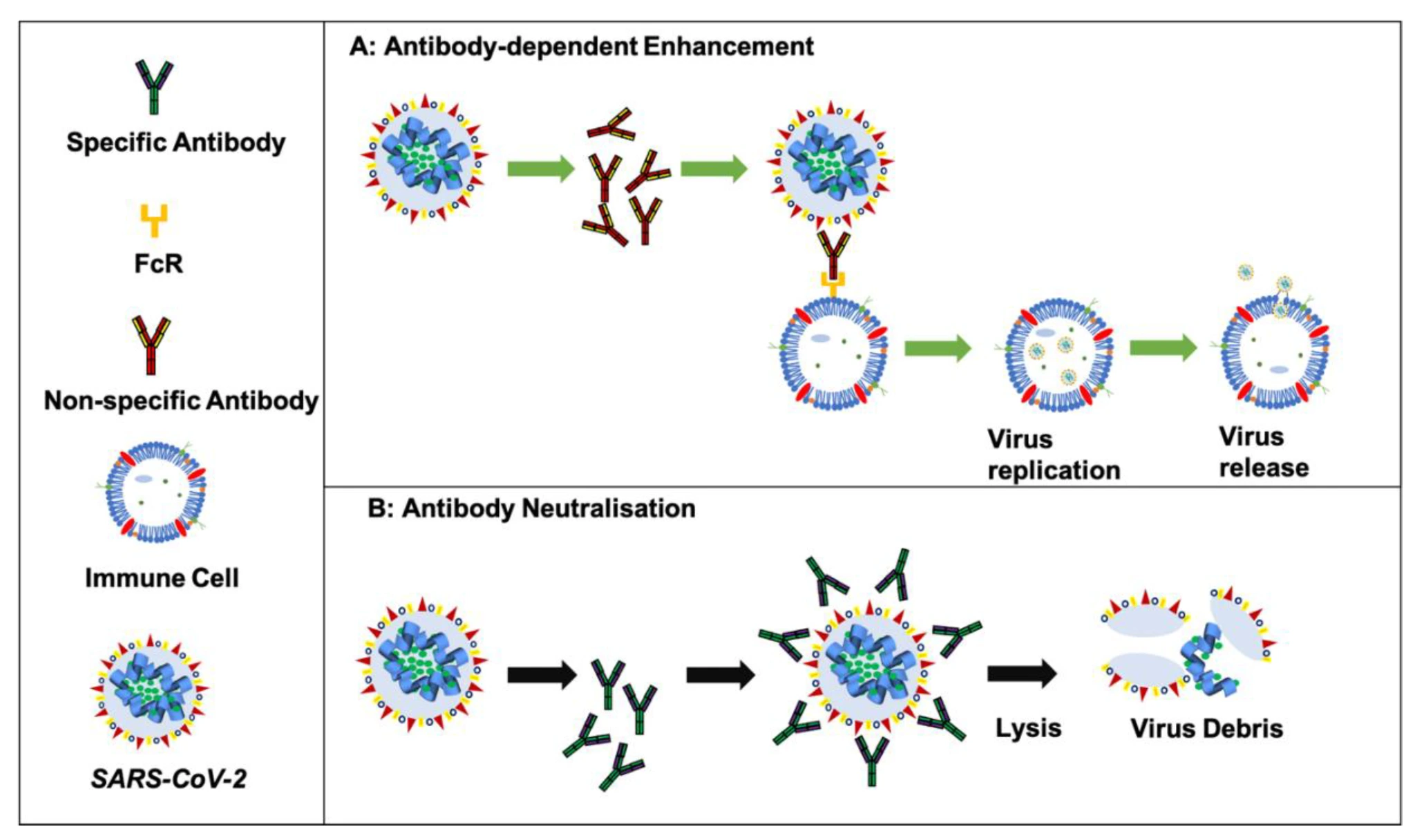
Figure 10: Mechanism of Antibody
Antibodies are the cells that have been produced by the human body to prevent multiple types of pathogens from growing. When an immune system identifies a foreign object in the human body, the B cell activates which breaking them done into smaller components. After completing the functionality of B cells, it initiates the production of a new antibody, which comes with a unique paratope and epitope. The newly produced antibodies further bind with the specific pathogen cell, resulting in a complete elimination.
Resistance of Bacteria by Antibody
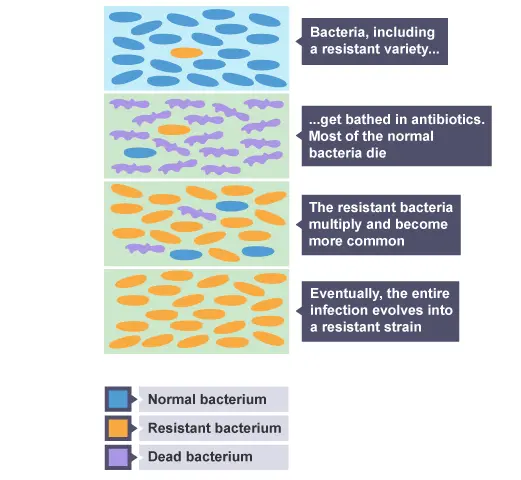
Figure 11: Resistance of Bacteria
The development process of antibody resistance by bacteria is mostly initiated with genetic mutations, which has been shown in the above figure. Since bacteria are constituted of single cells through genetic particles such as RNA or DNA, genetic mutation is one of the common factors for bacteria. In the attempt of the antibody, most of the normal bacteria died while presenting mutant cells that further grew and developed resistance.
Conclusion
The report presents an in-depth analysis of the disease that is caused by the effects of pathogens and the relevant process of mitigation. The analysis concludes that modern medicine and healthcare procurement are more effective in tackling the deadly effects of pathogens.
References
Agnello, L., Giglio, R.V., Bivona, G., Scazzone, C., Gambino, C.M., Iacona, A., Ciaccio, A.M., Lo Sasso, B. and Ciaccio, M., 2021. The value of a complete blood count (CBC) for sepsis diagnosis and prognosis. Diagnostics, 11(10), p.1881.
Avdulla, C. S., & Tachirai, N. (2024). John Snow: The Pioneer of Modern Epidemiology and Anesthesia. Cureus, 16(8), e67602. Available at: https://doi.org/10.7759/cureus.67602 [Accessed on: 26-6-2025]
Ball, R., 2023. Viruses, Microorganisms and Molecular Genetics. In Viruses in all Dimensions: How an Information Code Controls Viruses, Software and Microorganisms (pp. 9-58). Wiesbaden: Springer Fachmedien Wiesbaden.
bbc.co.uk, (2025). Natural selection and evolution. Available at: https://www.bbc.co.uk/bitesize/guides/zpp74qt/revision/5 [Accessed on: 26-6-2025]
biologynotesonline.com, (2025). Germ Theory of Disease. Available at: https://biologynotesonline.com/the-germ-theory-of-disease/#what_is_germ_theory_of_disease [Accessed on: 26-6-2025]
Chirumbolo, S., Bjørklund, G., Sboarina, A. and Vella, A., 2018. The role of basophils as innate immune regulatory cells in allergy and immunotherapy. Human vaccines & immunotherapeutics, 14(4), pp.815-831.
Farouq, M. A., Acevedo, R., Ferro, V. A., Mulheran, P. A., & Al Qaraghuli, M. M. (2021). The Role of Antibodies in the Treatment of SARS-CoV-2 Virus Infection, and Evaluating Their Contribution to Antibody-Dependent Enhancement of Infection. International Journal of Molecular Sciences, 23(11), 6078. Available at: https://doi.org/10.3390/ijms23116078 [Accessed on: 26-6-2025]
Fox, M.P., Murray, E.J., Lesko, C.R. and Sealy-Jefferson, S., 2022. On the need to revitalize descriptive epidemiology. American journal of epidemiology, 191(7), pp.1174-1179.
Gaynes, R.P., 2023. Germ theory: medical pioneers in infectious diseases. John Wiley & Sons.
Goyal, K., Goel, H., Baranwal, P., Tewary, A., Dixit, A., Pandey, A.K., Benjamin, M., Tanwar, P., Dey, A., Khan, F. and Pandey, P., 2021. Immunological mechanisms of vaccine-induced protection against SARS-CoV-2 in humans. Immuno, 1(4), pp.442-456.
healthline.com, (2025). What You Need to Know About Pathogens. Available at: https://www.healthline.com/health/what-is-a-pathogen#types [Accessed on: 26-6-2025]
hhs.gov, 2025. Home. Available at: https://www.hhs.gov/immunization/basics/types/index.html [Accessed on 25 June 2025].
Knoll, R., Schultze, J.L. and Schulte-Schrepping, J., 2021. Monocytes and Macrophages in COVID-19. Frontiers in immunology, 12, p.720109.
Laupèze, B., Del Giudice, G., Doherty, M.T. and Van der Most, R., 2021. Vaccination as a preventative measure contributing to immune fitness. npj Vaccines, 6(1), p.93.
Liu, R., Pidikiti, R., Ha, C.E., Petersen, C.E., Bhagavan, N.V. and Eckenhoff, R.G., 2015. The role of electrostatic interactions in human serum albumin binding and stabilization by halothane. Journal of Biological Chemistry, 277(39), pp.36373-36379.
Lombardi, C., Berti, A. and Cottini, M., 2022. The emerging roles of eosinophils: implications for the targeted treatment of eosinophilic-associated inflammatory conditions. Current research in immunology, 3, pp.42-53.
medicalnewstoday.com, 2025. What to know about white blood cells. Available at: https://www.medicalnewstoday.com/articles/327446#types-and-function [Accessed on 25 June 2025].
microbenotes.com, (2024). Epidemiology: Definition, Components, Scope, History. Available at: https://microbenotes.com/epidemiology-definition-components-scope-history/ [Accessed on: 26-6-2025]
Paul, S., Salunkhe, S., Sravanthi, K., & Mane, S. V. (2024). Pioneering Hand Hygiene: Ignaz Semmelweis and the Fight Against Puerperal Fever. Cureus, 16(10), e71689. Available at: https://doi.org/10.7759/cureus.71689 [Accessed on: 26-6-2025]
rcpath.org, (2023). Immunisation – changing the face of healthcare. Available at: https://www.rcpath.org/profession/publications/college-bulletin/july-2023/immunisation-changing-the-face-of-healthcare.html [Accessed on: 26-6-2025]
Rosales, C., 2018. Neutrophil: a cell with many roles in inflammation or several cell types?. Frontiers in physiology, 9, p.324475.
Sangwan, N., Gangwal, A., Jain, P., Langtso, C., Srivastava, S., Dhawan, U., Baweja, R., & Singh, Y. (2025). Anthrax: Transmission, Pathogenesis, Prevention and Treatment. Toxins, 17(2), 56. Available at: https://doi.org/10.3390/toxins17020056 [Accessed on: 26-6-2025]
Shoghri, A.E., Liebig, J., Jurdak, R. and Kanhere, S.S., 2021, November. How disease spread dynamics evolve over time. In Proceedings of the 2021 IEEE/ACM International Conference on Advances in Social Networks Analysis and Mining (pp. 121-128).
technologynetworks.com, (2025). Prokaryotes vs Eukaryotes: What Are the Key Differences?. Available at: https://www.technologynetworks.com/cell-science/articles/prokaryotes-vs-eukaryotes-what-are-the-key-differences-336095 [Accessed on: 26-6-2025]
who.in, (2025). A Brief History of Vaccinatio. Available at: https://www.who.int/news-room/spotlight/history-of-vaccination/a-brief-history-of-vaccination [Accessed on: 26-6-2025]
who.int, 2025. How do vaccines work?. Available at: https://www.who.int/news-room/feature-stories/detail/how-do-vaccines-work#:~:text=Once%20the%20antigen%2Dspecific%20antibodies%20are%20produced%2C%20they,very%20similar%20to%20each%20other%2C%20like%20cousins. [Accessed on 25 June 2025].
Go Through the Best and FREE Samples Written by Our Academic Experts!
Native Assignment Help. (2026). Retrieved from:
https://www.nativeassignmenthelp.co.uk/modern-medicine-disease-and-immunity-assignment-54312
Native Assignment Help, (2026),
https://www.nativeassignmenthelp.co.uk/modern-medicine-disease-and-immunity-assignment-54312
Native Assignment Help (2026) [Online]. Retrieved from:
https://www.nativeassignmenthelp.co.uk/modern-medicine-disease-and-immunity-assignment-54312
Native Assignment Help. (Native Assignment Help, 2026)
https://www.nativeassignmenthelp.co.uk/modern-medicine-disease-and-immunity-assignment-54312
- FreeDownload - 47 TimesIKEA Case Study Assignment Sample
IKEA Case Study Assignment Sample Introduction In this research paper we have...View or download
- FreeDownload - 38 TimesOrientation for Success in Higher Education Assignment Example
Introduction: Orientation for Success in Higher Education An orientation...View or download
- FreeDownload - 41 TimesStrategic Change Management Assignment Sample
Strategic Change Management Assignment Sample Introduction The overall...View or download
- FreeDownload - 41 TimesUnderstanding the Philosophy of Management: Goffman and Boje's Theories Assignment Sample
The Philosophy Of Management Assignment Seeking assignment help online in the...View or download
- FreeDownload - 41 TimesACAD 1337 Philosophy of Primary Education Assignment
Introduction Education is a lot more than academic learning; it is what...View or download
- FreeDownload - 40 TimesUnderstanding Management in Health and Social Care Assignment Sample
Understanding Management in Health and Social Care Assignment Sample PART 1:...View or download
-
100% Confidential
Your personal details and order information are kept completely private with our strict confidentiality policy.
-
On-Time Delivery
Receive your assignment exactly within the promised deadline—no delays, ever.
-
Native British Writers
Get your work crafted by highly-skilled native UK writers with strong academic expertise.
-
A+ Quality Assignments
We deliver top-notch, well-researched, and perfectly structured assignments to help you secure the highest grades.