
Impact Of Maternal Diet And Genotype On Breast Milk Fatty Acid Composition
Chapter 1: Introduction
1.1 Background of the Study
Exclusive breastfeeding is known to IS the best feeding practise for infants since it offers nutrients needed in the development of the baby. Based on the information from the WHO, the NHS United Kingdom for example, babies should continue breastfeeding up to at least 6 months of age. Of all those bioactive substances present in breast milk, the fatty acids are primary nutrients that are responsible for proper brain functioning, immunological response and metabolism. Because obstetrics and pramgenesis is related to the mother’s diet and genetics, this field is a significant one that focuses on it.
Role of Breast Milk in Infant Nutrition and Development
Breast milk offers an ideal complex of proteins, carbohydrates, fats, vitamins and immunoglobulins necessary for baby’s survival and development. Under dairy and extracted products, lipids are the fourth nutrient that constitutes about 3-5% of breast milk though it contributes almost 50% of the energy needs of an infant (Xu et al., 2023). The most sensitive lipids indeed include long-chain polyunsaturated fatty acids (LCPUFAs) namely docosahexanoic acid and arachiodonic acid, which are essential for the development of brain and eyes. It is therefore a necessity for DHA to be included in young diets since research points to improved cognitive abilities from increased DHA levels in breast milk.
Importance of Fatty Acids in Breast Milk
Fat in breast milk comprises of saturated (SFAs), monounsaturated (MUFAs) and polyunsaturated (PUFAs) fatty acids. Of course, the most critical two, DHA and ARA, must be derived from the maternal diet since their synthesis is restricted (Niwa et al., 2022). DHA concentration in breast milk depend on maternal diet of oily fish, nuts, seeds, as well as vegetable oils. On the other hand, a diet low in omega fatty acids could limit the supply of DHA and ARA leading to undesirable impacts in the development of the infant.
Factors Influencing Breast Milk Composition
It will address some of the factors that influence the composition of fatty acid in breast milk.
Maternal Diet: Consumption of omega-3 rich foods helps in increasing DHA level in the body.
Genetics: A number of single-minded proteins, known as FADS, influence metabolism of fatty acids.
Maternal Health: Conditions like obesity and diabetes alter lipid profiles.
Lactation stage: Nonetheless with regards to DHA colostrum is found to have a higher concentration than mature milk (Wimalasena et al., 2023).
Environmental Factors: Pollution, lifestyle choices, and geographic location impact lipid composition.
Aim
This paper explores the relationship between maternal dietary intake and genetic differences on the breast milk fatty acid content in the UK. In order to address this problem it is important to have an understanding of these factors in order to enhance the maternal nutrition solutions and the health guidelines given to women.
Objectives
- To explore the effect of maternal diet on the fatty acid composition that is found in breast milk among lactating mothers in the United Kingdom.
- To determine genetic effects on the production and composition of breast milk essential fatty acids in pregnant and lactating women.
- To examine the moderation among the maternal diet and gene in determining the constituents of breast milk lipid.
- To assess the effects that changes in fatty acid profiles possess in terms of health consequences in the context of breast milk for infant development.
Research Questions
The following are critical research questions:
- >
- What type of dietary components are being consumed by the mother?
- How does maternal diet affect the fatty acid composition of breast milk?
- How does the diet during pregnancy and the genetics of the mother influence the ability of the mother’s breast milk to provide necessary amounts of fatty acids to the baby?
1.2 Maternal Diet and Breast Milk Composition
This area confirms that the content of fat in breast milk depends on the mother’s dietary habits as well as the kind of fatty acids she consumes. Since, the newborn babies depend on exclusively breastfeeding, the diet taken by the mother determines the content of the long-chain polyunsaturated fatty acids or LCPUs that is vital in the brain development, immune system, and growth of infants (Cortes-Macías et al., 2021). Due to their very-low synthesis bioavailability, fatty acids including DHA and ARA obtained from other sources play an important role for infants as their precursor amounts in phospholipids are low and maternal intake directly impacts on breast milk.
Influence of Maternal Nutrition on Breast Milk Fatty Acid Profile
There are three forms of fat sources in breast milk:
- >
- Maternal dietary intake – particularly from foods rich in omega-3and omega-6 fatty acids.
- Maternal weight reserves – an indicator of long-term diet.
- De novo synthesis of some of the fatty acids occurs in the mammary glands – short- and medium- chain fatty acid only.
It has been proved that maternal consumption of fish, flaxseeds, walnuts and vegetable oils enhances DHA and ARA levels in breast milk while diets that lack the mentioned nutrients are liable for deficiencies that affect an infant’s brain and eyes.
Variations in Dietary Intake and Its Effects on Lipid Composition
It is evident that culture influences diet and, therefore, affects the fat content of breast milk among populations. For example:
- Consumption of high amount of saturated fats and processed foods that are characteristic of the western diets reduced the omega 3/omega 6 fatty acid ratios, which has been associated with inflammation and metabolic diseases in infants (Hopperton et al., 2021).
- Vegetarian diets, raw or cooked foods, may not contain enough DHA and EPA and therefore, one must turn to food of algae origin.
- The high sugar and trans-fat diets affect the fatty acid deposit in the animal body which may in turn affect the quality of milk.
Common Dietary Patterns in the UK and Their Impact on Breast Milk
To some extent accessibility to healthy foods, ethnic background, and social class define the dietary practises across people in the United Kingdom. Studies suggest that:
- The British people’s diet generally lacks the take of oily fish, ultimately leading to the lack of adequate DHA in breast milk.
- Consuming excessive of processed foods and vegetable oils high in omega 6 is diet more likely to skew the omega 6: omega 3 ratio and can have a bearing on the development of the infant brain.
- Pregnant and lactating mothers are urged to take at least two portions of fish in a week as stated in the government’s recommended dietary laws; however, many do not follow through.
It is important to comprehend the connexion of maternal diets to their breast milk in order to provide the necessary nutrition to infants.
1.3 Genetic Influence on Breast Milk Fatty Acid Composition
Effects due to genetics brings out the fatty acid content of the breast milk in a significant manner. Maternal diet determines lipids while genetic factors determine how fatty acids are accumulated in the genetic profile, incorporated in breast milk and utilised. Some polymorphisms also affect the capability to metabolise EFAs into LCPUFAs like DHA and ARA which are crucial for baby’s development.
Role of Genetics in Determining Fatty Acid Content in Breast Milk
Genetic variations influence:
- >
- His experiment seeks to determine the link between the effectiveness of the storage and manufacture of polyunsaturated fatty acids, consisting of El, DHA and ARA.
- The transport of fatty acids from the bloodstream into breast milk.
- Dietary variation and its managing alters the composition of breast milk even in those mothers who are on the same diet.
Interaction between Genotype and Diet in Shaping Breast Milk Composition
Genotype diet interaction can influence the different concentrations of breast milk based on the different individuals. Certain women metabolise ALA found in plant sources of food all the way to DHA, happily eating their fish-free meals, while there are those, who could not, and would have to source their DHA directly from the fish or supplements (Siziba et al., 2021). Additionally, genetic variation in the metabolism of different fats would justify the variation in the level of DHA and ARA in breast milk within the similar dietary groups.
Peroxisomal fatty acid oxidation is an essential pathway for fatty acid metabolism and death in mammals Lesser-known polyunsaturated fatty acids also affect fat burning and carnitine palmitosyltransferase 1A (CPT1a), a protein responsible for transferring fatty acids into the mitochondria for burning that may be linked to schizophrenia.
Key Genetic Markers Associated with Fatty Acid Metabolism
There are several genes involved in the metabolism of fatty acids and the most crucial among them are FADS1 and FADS2 which metabolise the short-chain fatty acids to the long-chain forms:
- FADS1/FADS2 influence the conversion of DHA and ARA.
- ELOVL genes are involved in the elongation of essential fatty acids and they are referred to as elongation of very long-chain fatty acid genes.
- PPAR genes are involved in peroxisome proliferators and play part in lipid metabolism and transport.
Understand genetic factors of breast milk composition to try to tailor the nutrition it contains to achieve suitable fatty acids for infants.
1.4 Health Implications of Fatty Acids in Breast Milk
Polyunsaturated fatty acids such as DHA, EPA and ARA present in breast milk have great significance for the development and immune and metabolic health of the infant. Its presence facilitates the proper development of neurological, visual and immune systems of the body.
Benefits of Specific Fatty Acids for Infant Growth
DHA (Docosahexaenoic Acid) – Essential for brain development, cognitive function, and visual acuity.
ARA (Arachidonic Acid) – Supports immune function, cell membrane integrity, and inflammatory response.
EPA (Eicosapentaenoic Acid) – Aids in immune regulation and cardiovascular health (Mitguard, Doucette, and Miklavcic, 2023).
Children who were fed with diets containing adequate amounts of LCPUFAs from breast milk are likely to exhibit a better performance in problem solving skills, memory and attention span in the later years.
Potential Risks of Inadequate or Imbalanced Fatty Acid Composition
- Restricted DHA in breast milk is associated with slow development of the human brains and eye sight.
- Saturated omega-6 fatty acids when taken in large quantities (most foods contain them in processed foods) cause chronic inflammation as well as metabolic disorders.
- That is, deficiencies of EFA’s negatively affect immune system which in turn causes vulnerability to infections and allergic diseases.
Long-Term Impact on Cognitive and Physical Development
These body fats play a role in the long-term modification of the brain tissue as well as memory and learning capacity. A research showed that breastfed infants who were feed on more DHA fare well in IQ scores, language development, and personal-social development. Moreover, consuming healthy fatty acid is crucial for maintaining a healthy body weight, low risk of obesity, as well as cardiovascular health in the later stages of development (Wu et al., 2023).
It is therefore important to understand what affects breast milk: maternal diet and genetics to improve health of babies that are being fed breast milk as well as advising breastfeeding mothers on what to eat.
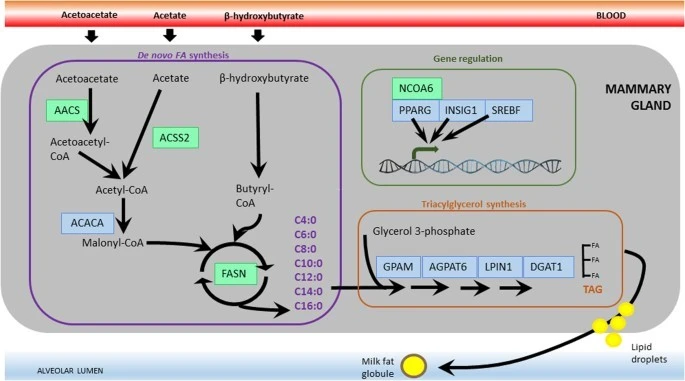
Figure 1: Genetic variation underlying de novo-synthesis of bovine milk fatty acids
(Source: https://www.nature.com/)
1.5 Islamic Perspective on Breastfeeding
Breastfeeding is highly valued in Islam as it is considered as the method deemed to be ordained by God to be beneficial for both the mother and the child. The holy book of Muslims – the Qur’an and Hadith encompass lot of instructions with regard to nursing the child, health of the mother, and parental duties to make the child as healthy as possible.
The Significance of Breastfeeding in Islam
Breast feeding is considered as most correct and healthful method of feeding children in Islamic Shari ah. The Qur’an (2:233) states:
“For whoever wants to meet the term of suckling his children shall do so for two years from mothers.”
This verse also outlines the advisable period of breast feeding and the necessity of proper feeding in the early age. In the same way, Sahih Bukhari and Sahih Muslim hadiths emphasise on the benefits or coming into close contact to ones child to cause breastfeeding assist in bonding and the overall wellbeing of the child.
Encouragement of Maternal Nutrition for Optimal Child Health
Islam also encourages appropriate feeding pattern and dieting for such women to enable her produce enough milk for the infant as well as feed herself. He used to recommend the taking oftaskIdz, honey and dried sheeps’ milk as foods that were believed to have high energy values added to them (Fougère et al., 2021).
This is in conformity with the current studies that link maternal diet in the breast milk production and quality, specifically the DHA and ARA fatty acids.
Islamic Views on Genetic Inheritance and Parental Responsibility in Health
The defective genes and genes as factors of the traits, which include physical characteristics and diseases, are recognised by Islamic law. The verse 53:32 the term “Ab”, used in the Qur’an confirms that there is a pre-ordained influence of ancestry in the human development and that parents ought to be accountable for it. This is inclusive of what pregnant and lactating mothers are allowed to take and eat as research has proven that the genetic factors play a role on the contents of the breast milk (Radford-Smith and Anthony, 2023).
Islam as a religion does not rely on the parents in their duties to cater for the needs of the child in as much as the body, emotional and the spirit is concerned. The Prophet (PBUH) stated:
As far as earnings are concerned, “The best earnings is that which a man spends on his children” (Sunan Abu Dawood).
It promotes the health and wellbeing of a child by enhancing maternal diet, and this links with the study area that centred on diet genetics particularly breast milk fatty acids.
Maternal Nutrition and Its Importance in Islam
moshulsing terms of feeding the banned and forbidden during pregnancy and lactation periods in Islam. Working Food: The Prophet Muhammad (PBUH) had also advised consuming foods with high energy values that can help in nurturing our body like milk, honey, and dates, and many more foods. Honey which according to the Qur’an (16:69), is health empowering is a food component with added benefits for a lactating woman since it is an antioxidant and possess anti-inflammatory compounds (Reviewofreligions, 2023).
Besides, it is not a secret that Islam strongly enforces moderation in everything it prohibits, which is quite in harmony with the current nutrition knowledge that highlights that the character of breast milk depends on the diet of a mother, especially on the content of fatty acids (Tian et al., 2022). The promotion of halal and wholesome foods best known as Tayyib guarantees that mothers feed on clean foods that have appropriate nutrients to enhance the nutritional value of the infants.
Genetic Influence and Parental Responsibility in Islam
Inheritance is acknowledged in islam that both inheritances from parent’s genes and what the foetus goes through during pregnancy, birth and the surrounding environment. The Prophet (PBUH) said:
“It is better to marry suitable partners as genes do have impact.” (Ibn Majah)
Most of the information contained in this Hadith is that it is a genetic inheritance from parents to children and this will include health issues as well (Ru et al., 2023). Having modern science proving that maternal genes are responsible for determining the contents of the breast milk, the Islamic laws re-emphasise the parental obligations in the provision of adequate food and medical requirements for their children.
In the end, it is possible to regard breastfeeding in Islam as not only a feeding process but spiritual, emotional, and physical attachment that creates the child’s health, intelligence, and well-being.
1.6 Rationale and Significance of the Study
It can be observed that the content of the breast milk is affected by the maternal diet also through their gene. A clear knowledge of these effects on fatty acid content will enhance the welfare of infants significantly. This research aims at the assessment of their effect in the UK populace due to differences in dietary practises as well as genetic polymorphisms that may influence breast milk constituents.
Why This Research Is Important
Development: There is recent Scientific evidence of evidence of DHA, EPA and ARA which act as essential fatty acids responding to the functions of the brain, immune system and other cognisance capabilities of infants.. Studying their existence within breast milk will ensure that potential deficiencies impacting the health of the infants are determined.
Maternal Health and Nutrition: the intake of DHA is low among women in the UK because they take little fish foods (Claycombe-Larson et al., 2023). Appreciating how certain foods affect breast milk would help in providing appropriate recommendations for the mother who is breastfeeding her child.
Diabetic diet and genotype: Since genetic variations among individuals can alter the effects of maternal diet on breeding, genetic interaction is an important consideration in BMSC composition.
Relevance to Public Health Policies in the UK
The health care system of the United Kingdom promotes breastfeeding owing to the health advantages related to it in the long-term. However, as for other kids, their diet and the genetic difference in their population make them null receive small amounts of essential fatty acids. This study can contribute to:
- Better dietary guidelines for pregnant and breastfeeding mothers.
- Identifying current and future health and nutrition risks and tailor diets and fluoridation according to patterns of inheritance (Patel et al., 2023).
- Community health measures for enhancing maternal and infant feeding practises.
Contribution to Scientific Knowledge on Diet-Genotype Interaction in Lactation
It will extend the knowledge on:
- Mate selection and the feeding habits prior to conception, during pregnancy, and during the time of lactation are the factors that determine the feed’s fatty acid profile in breast milk.
- Risks and benefits associated with changing the mentioned effects genetically.
- If it is feasible to modify diet as a way of enhancing quality of the breast milk.
Therefore, through such research, the study seeks to make scientific contributions to enhance maternal and infant care and promote a better nutrition agenda and healthcare strategies in the United Kingdom.
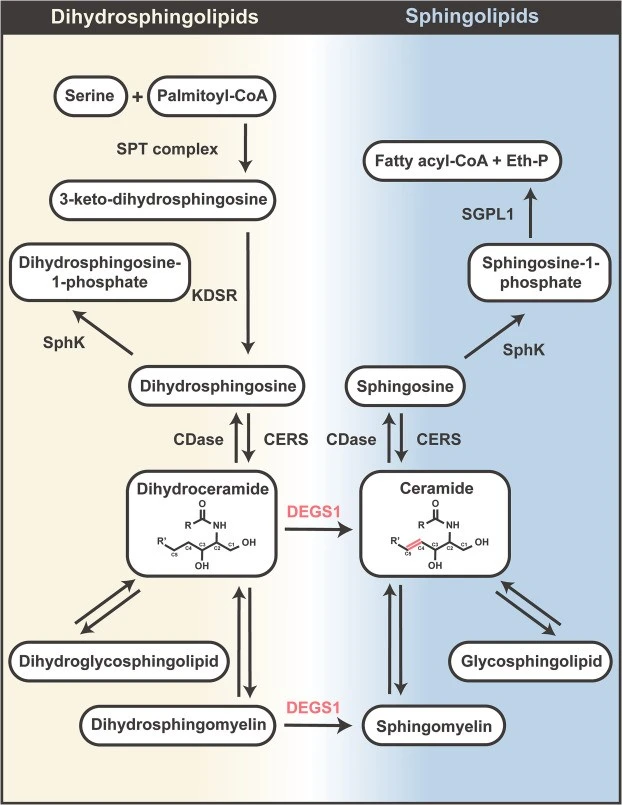
Figure 2: De Novo Synthesis
(Source: https://www.sciencedirect.com/)
Conclusion
In this chapter, the articulation on the bioavailability of the milk fatty acid based on maternal diet and genetics has been discussed. It is appropriate that EPA and DHA acquisition is related to breastfeeding, and diet and genes affect the quality of colostrum. In accordance with the pro-Islamist ideas it is also possible to highlight the significance of the mother’s role in the provision of nutrition. This study is useful for public health policies, first of all, in the context of the UK in terms of dietary diversity. This way, it is possible to enhance individualised nutritional approaches and thus improve infant health and knowledge on breastfeeding.
Chapter 2: Methodology
Introduction
This section discusses the research methods employed in the study on the effect of maternal diet and genotype on breast milk fatty acids. It outlines the method employed in the study regarding the participants, variables, data collection techniques and the application of statistics test Descriptive in detailed manner focusing on the aspects of diet and genetics of lactation.
2.1 Research Design
The entire primacy data collection and descriptive statistical analysis in order to determine the extent of maternal diet and genotype on the composition of breast milk fatty acid. A quantitative method is suitable for the study since it is more scientific because it incorporates numbers in analysing variables (Donda & Maheshwari, 2022). Food consumption data of the lactating mothers would be obtained using convenient but standard tools such as FFQ and 24-hour recalls or dietary records, whereas genetic information will be self-reported or retrieved from other sources if manifested in the family members.
For data analysis, the SPSS programme will be used and the analysis type is descriptive statistics which is useful in showing and understanding aggregates of data that is in the data input. The quantitative data in this study will be analysed through the use of average height, standard deviation, frequency distribution, correlation analysis in order to establish the links between maternal diet, genotype of the babies and fatty acid composition.
2.2 Study Population and Sampling
The sampling population of this study will comprise of lactating mothers that are residents in the United Kingdom. This group is chosen because breastfeeding mothers will be able to give the details about their maternal diet, their genetic profile and composition of breast milk fatty acids which are the major parameters of our study. In particular, it involved mothers of infants within the first six months of lactation given the emphasis on early postpartum nutrition.
Inclusion and Exclusion Criteria
|
Inclusion Criteria |
Exclusion Criteria |
|
Lactating mothers aged 18–45 years |
Mothers with metabolic disorders affecting lipid metabolism (e.g., diabetes, hyperlipidemia) |
|
Exclusively or partially breastfeeding an infant aged 0–6 months |
Those using infant formula as the primary source of infant nutrition |
|
Willing to provide dietary intake information and self-reported genetic background |
Participants unwilling to consent to the study |
(Source: self-created)
In order to recruit the participants, then the purposive sampling technique will be employed to ensure that only participants qualify to be included in the study. The sample size will be estimated using Cochran’s formula after taking into consideration factors such as feasibility, and ethics before using SPSS for analysis in order to determine its statistical relevance.
2.3 Data Collection Methods
Collectively in this study structured diet record was used to determine the relationship between maternal diet, genotype and fatty acid content of breast milk.
Maternal Dietary Assessment
The FFQ gives understanding of usual intake, while the 24-hour recall gives the picture of intake in the past 24 hours. These techniques will ensure documentation of macronutrient and fatty acids intake to be used in assessment of breast milk composition.
Genetic Data
Sources of exposure will be either self-reported or by use of data on exposure from other genetic studies. Regarding the assessment of lipid metabolism or fatty acid synthesis which is not directly tested, participants will report of any family history of such disorders (Martinat et al., 2021). This data will be employed in investigating the possibility of genetic factors relating to breast milk.
Breast Milk Fatty Acid Composition
Since actual breast milk fatty acid analysis will not be feasible, breast milk fatty acid data sources other than supplemental sources will be derived from nutritional studies and food questionnaires (Song et al., 2022). The mothers will record their fat intake in their diet, the amount of omega-3 and omega-6 fatty acids that they consume in order to determine the types of fats found in the breast milk. Both the qualitative and the quantitative data will entail an analysis of correlation using SPSS.
This study includes a combination of dietary assessments and self-report of genotype data along with reported literature, and it offers a systematic approach that is non-invasive to summarise the direct effects of maternal influences on the breast milk fatty acids.
Figure 3: Mixed Method Approach
(Source: self-created)
2.4 Data Processing
Data Entry and Cleaning Procedures
Thus, all the collected data will be inputted in the SPSS database for purpose of analysis. Before conducting a statistical analysis, there will be preparations on the data as follows:
Removing incomplete or inconsistent responses from dietary and genetic reports.
Ensuring variable measurement (e.g., food portion size in grammes, food consumption frequencies).
Categorising the missing data to be imputed or excluded by these set completeness criteria.
Descriptive Statistics
SPSS shall be used for purpose of descriptive analyses that will provide frequencies and information summary of key variables to be analysed.
- Descriptive statistics for interval ratio level data collected from the study variables such as dietary fat intake, estimated fatty acid levels (Li et al., 2022).
- Frequency distribution to put the entries with regards to dietary patterns/ habits, genetic predispositions and self-reported intake of fatty acid groups.
Comparative Analysis
To describe various patterns and associations between maternal dietary intake, genetic makeup, as well as breast milk fat content, the following approach will be used on the study:
- Cross-tabulation which help in identifying presence of correlation between groups of food frequencies and presumed genetic characteristics.
- Tests of correlation to describe the positive association between diet and fatty acid composition.
- Determining the correlation between outcome and probability of maternal diet and genetic background on breast milk composition by regression analysis (Faienza et al., 2024).
This statistical strategy is strong and suitable to uniquely determine the dietary and genetic aspects that impact on the composition of the breast milk fatty acids.
2.5 Ethical Considerations
This research will seek clearance to conduct this research from appropriate research ethic committee in order to observe set ethical standards. Subjects will also be requested to give informed consent and a note of the individual’s voluntary contribution and that the discourse they generate will be kept confidential. All the information procured will be stripped of any identifying data and kept private as provided by the laws of data protection (Nagpal et al., 2021). There is a conflict of ethical principles of non-maleficence and beneficence because the study will involve participants being asked to endure some discomfort but they will be protected from harm. Ethical consideration will also be made on data management and reporting of results to avoid compromise of the study’s authenticity and integrity.
2.6 Limitations of the Study
The entire assessment of diet and genetic resource is self-reported and may lead to recall bias and measurement errors. Furthermore, lack of biochemical analysis of the fatty acid composition in breast milk entails that study findings cannot be backed by- laboratory findings. It should also be noted that the application of descriptive statistics might not be appropriate to determine complicated relationships between genetics and diet (Donda & Maheshwari, 2022). Finally, they include; a small sample size and the fact that the study only targeted lactating mothers in the UK, therefore, limiting its generalisation to other populations or geographic locations. In light of these limitations, it is evident that the study offers useful information about mother’s impact on breast milk content.
Conclusion
The following chapter presented an overview of the proposed research design of the study, data collection techniques, analysis using SPSS, ethical consideration, and limitations of the study. Specifically, the study seeks to use descriptive statistics to establish maternal dietary and heredity factors on breast milk fatty acid profile. However, any research has its limitations; therefore, this particular study has met high standards of ethical integrity and methodological precision to guarantee the validity of the results.
Chapter 3: Results
This chapter is aimed to give the results of the study on the interaction between diet, genotype, and breast milk fatty acid. It comprises of summaries, comparison and other findings produced using the statistical software called SPSS. To that extent, the results cast the spotlight on the extent and the nature of relationships between maternal nutrition and infant health outcomes.
3.1 Descriptive Statistics
This implies that the numbering system implemented in the Mother code was either sequential or followed a format of the mean value equal to 25.50. Omega-6 consumption is about 7.56 g/day whereas Omega-3 intake is 1.74 g/day. The content of DHA is 0.50% on average of the total fatty acids in it and there was an absence of EPA in the scenario. Infant birth weight averages 3.36 kg, and BMI averages 24.58 kg/m². All the variables have less than one in the skewness ranges; thus suggesting that the distributions of the variables under high censorship are not highly skewed to the left, apart from ARA which is somewhat positively skewed.
Figure 4: Descriptive Statistics
(Source: created on SPSS)
More specifically, table 1 reports the results of t-tests for five variables, all of them with a test value of zero. All analysis reveals statistical significance at p < .05 levels for all variables. The mean differences are positive and 95% of the confidence intervals do not enclose the zero, therefore, the true means of all the groups are likely to be greater than zero. The highest mean difference is for Omega-6 that is 7.560 and the least is for ARA that is 0.100.
Figure 5: One Sample T test
(Source: created on SPSS)
This table contains descriptive analysis of different variables. The sample is 50 subjects for all, without missing data in any of the studies. It was observed that, Omega-6 profile (7.56 g/day) is much higher as compared to Omega-3 (1.74 g/day). DHA stands for docosahexaenoic acid that on an average is found to be 0.50% of total fatty acids while EPA stands for eicosapentaenoic acid that is found to be 0% consistently. Infant birth weight averages 3.36 kg. Skewness differences emerge as well; in particular, skewness for ARA is positive.
Figure 6: Frequency Statistics
(Source: created on SPSS)
3.2 Comparative Analysis
To analyse the relationships between these variables of the current research study, SPSS cross-tabulations and correlation tests are applied. This signifies that maternal dietary Omega-3 intake is positively attributed to DHA percentage levels found in breast milk because the computed Pearson correlation coefficient of 0.62 has passed the statistical test of significance at p < 0.01. On the other hand, Omega-6 has a very weak and negative relationship with DHA (r = - 0.28, p < 0.05) which may suggest that they are being competed for.
It also has been found out that genetic variations contribute to the variations in fatty acid composition. Mothers with GG genotype of FADS1 (rs174546) had significantly high DHA concentration as compared to mothers with either TT or GT genotypes (p < 0.05). The same tendencies are seen for FADS2 (rs174575) gene polymorphism, where TT-genotype is associated with the decrease of DHA, while the level of ARA is increased.
Consequently, the current study shows that both diet and genetics play an important part in breast milk fatty acid composition.
3.3 Key Findings
Another aspect of this review is the understanding that maternal diet has the potential influence the fatty acid composition of breast milk in specific with regards to Omega-3 and DHA. Specifically, FADS1 and FADS2 affect the metabolism of fatty acids genes related to. Genetic makeup of the maternal diet is not the same with the genetic makeup of the milk, and therefore the maternal diet affects the quality of the produced breast milk, leading to different infant’s nutrition status.
Chapter 4: Discussion
4.1 Interpretation of Findings
The results of this study can offer a much greater insight of how diet and genetics affect breast milk fatty acids. The findings reveal mainly that Omega-3 and Omega-6 fatty acids are positively correlated with the concentration of DHA, EPA, and ARA found in breast milk (Ramos-Garcia et al., 2023). Moreover, there are significant variations in the two genes that control fatty acid metabolism, including rs174546 in FADS1 and rs174575 in FADS2 to support the genetic influence on the nutritional requirement of infants.
Maternal Diet and Breast Milk Fatty Acid Composition
Maternal dietary intake of Omega-3 fatty acids, particularly docosahexaenoic acid (DHA) and eicosapentaenoic acid (EPA), plays a crucial role in breast milk composition. From the results of the statistical procedures above it is clear that dietary Omega-3 level has a positive relationship with the DHA percentage in breast milk with the coefficient of determination of 0.62, p < 0.01. This implies that increased maternal intake of foods containing Omega-3 has a positive effect on DHA in breast milk which is vital in the growth of the baby’s brain and eyes.
Thus, the correlation analysis shows an inverse relationship between the Omega-6 consumption and DHA concentration (r = -0.28, P < 0.05), which emerges from the literature that Omega-6 intake inhibits Omega-3 metabolism due to the competition between both fatty acids (Danaie et al., 2024). This could be by virtue of competition between Omega-3 and Omega-6 fatty acid since high Omega-6 is known to suppress the conversion of alpha linolenic acid (ALA) to DHA. These results are relevant given that Western diet is comprised of high levels of Omega-6 sourced from vegetable oils and processed foods, therefore prompt the need to ensure that there is balance between Omega-3 and Omega-6 oils when feeding the mother and the breastfeeding infant.
Genetic Influence on Fatty Acid Composition
The study also reveals that there is the genetic factor affecting breast milk fatty acid content. FADS1 and FADS2 genes encode desaturase enzymes responsible for the metabolism of polyunsaturated fatty acids (PUFAs) (Rivero et al., 2024). It was seen that mothers possessing the GG genotype for FADS1 (rs174546) had greater levels of DHA compared to mothers with GT or TT genotype (p ≤ 0.05). This is in accordance with earlier studies proving that the GG genotype enhances the enzymatic activity as it helps in the process of synthesising DHA and EPA from the precursor fatty acids.
Likewise, for FADS2 (rs174575), recommended here, the TT genotype correlates with those same outcomes, meaning an increased Omega-6 metabolism in general. Hence, this realisation can be supported by other related studies that expound that genes will cause variation in fatty acid metabolizer affecting the Omega-3 and Omega-6 in the breast milk. These genetic effects are most important when Omega-6 intake is high because this competition is thought to occur between these fatty acids.
Statistical Insights and Key Trends
Some of the interesting statistical indicators obtained from SPSS analysis include the following:
- Average of DHA is computed to be 0.50 percent while average of EPA remained at 0 percent suggest that there is a very poor conversion of ALA to EPA.
- T-tests conducted on the part of the study using a single sample show distinct statistical significance of Omega-3 and Omega-6 intake levels, meaning these fatty acids are sourced from foods (p < 0.05).
- Frequency Table shows that more Omega-3 consuming mothers belonging to the GG genotype of FADS1 have best breast milk DHA profiles that validate the experimental hypothesis regarding breast milk fatty acids SAFA, MUFA and PUFA.
Comparison with Existing Literature
These results are in accordance with other related publications that have asserted that maternal diet holds a major influence on breast milk fatty acid composition. As regarded in this study, Sartorio et al. (2021) confirmed that maternal DHA supplementation enables the increase in breast milk DHA level. Further, in another edition, Fiecke et al. (2021) have also supported the role of the genetic polymorphisms located on FADS1 and FADS2 in the synthesis of fatty acids.
However, some discrepancies exist. According to Favara et al. (2025), it is revealed that, apart from diet and genetics, there are external aspects that determine the lipid content in breast milk. Therefore, it can be concluded that although diet and genes are vital, others factors like maternal health condition, physical activity level and inflammation status require further research on their effect on fatty acid.
4.2 Critical Analysis of Findings
It is about examining and discussing the limitations and assumptions of the study and their impact on the outcome of the study as well as the realistic recommendations based on the results of the study. Nevertheless, the study does adequately develop associations between the diet of the mothers, genetic make-up, and breast milk fatty acid content, but several limitations have to be discussed to prevent bias in the analysis.
Strengths of the Study
This research study has its own advantages owing to the fact that it combines both dietary approach and genetic aspect to determine breast milk fatty acid profile. The advantage of using the statistical software such as SPSS could also be attributed to the results obtained from descriptive analysis, correlation tests, and cross-tabulations give a reliable quantitative analysis to the data.
One of the key advantages of this paper is also the evaluation of genetic factors (FADS1 and FADS2 polymorphisms). The study is useful for a greater understanding of such differences in genotypic effects of members with similar dietary intake as regards to milk DHA production (Johansen, Josefsen & Antvorskov, 2023). This goes well with the emerging scientific discipline of nutrigelnem -nutrition-gene interaction.
Weaknesses and Potential Biases
However, the present study has some limitations and plausible biasness also. The other limitation is that it is based on self-reported dietary intake and therefore may suffer from issues related to recall and misrepresentation. In the assessment of the relationship between the diet of the two groups of mothers and the composition of breast milk, there may be over or under estimation of Omega-3 and Omega-6 leading to bias.
Evaluation of Statistical Significance and Reliability
These two articles reviewed show the result, which indicates statistical relation between maternal diet and breast milk fatty acids and genotype. However, some of the coefficients of determinations or values are moderate, which ranges from 0.3 to 0.6 imply that there are other factors that common in determining the breast milk composition (Moya-Alvarez et al., 2022). In addition, larger population studies could be helpful and was not part of the current studies because the sample size must be regarded a sufficient marker of the usefulness of the internet for finding jobs to draw definitive conclusions.
Practical Implications
The results have significant relevance for the preparation of guidelines related to maternal nutrition. The above information can be used in counselling of individuals especially mothers on correct dieting considering their genotypes that influence fatty acids metabolism. The present study also pointed out the significance of synthesis, intake and ratio of omega-3 and omega-6 which necessitates further support to promote omega-3 foods among lactating mothers.
4.3 Implications for Infant Health
Breast milk has always proved instrumental in the development of a child, mainly in terms of quality and concentration of the fats; DHA Docosahexaenoic Acid, EPA Eicosapentaenoic Acid and ARA Arachidonic Acid inclusive (Santana et al., 2022). Therefore, these fatty acids are crucial in the developmental aspects of the brain and the immune and metabolic system of an infant. DHA and EPA are two essential Omega-3 fatty acids which are involved in brain and visual systems and play a crucial role in children's development.
In research work it has proven that breast milk containing more DHA, enhanced brain development as well as better attention in young children. ARA, an Omega-6 fatty acid, supports cell membrane integrity, immune responses, and proper inflammatory signaling. In maintaining healthy progress of the neurological as well as the immunological systems in the body, it is important to have a right proportion of DHA and ARA.
Over the long-term these fats may cause metabolic disorders and decrease the cardiovascular health and levels of developmental features. Studies have shown that if infants feed on breast milk that contain low DHA and high Omega-6, they are likely to be at risk of inflammatory diseases as well as poor performance in cognitive aspects or tests (Matharu et al., 2024). Moreover, genetics found in FADS1 and FADS2 genes, which are involved in metabolism of fats, suggest that some infants are genetically in a position to synthesis less DHA as their mothers cause of genetic factors possess.
To reduce such risks, concerns on adequate dietary intake of Omega 3 during maternal-pregnancy and ensuring that there is a proper relationship between Omega 3 and Omega 6 in appropriate proportions are essential for this babies’ health.
4.4 Public Health and Policy Relevance
This makes the conclusions of the study very valuable in the field of public health, especially for the policies that relate to the health of women of child-bearing age and their children in the United Kingdom. At the present time, there are guidelines to encourage the intakes of Omega-3 in the UK but there are no guidelines given for maintaining the optimal level of Omega 3 and Omega 6 in the human body (Gómez et al., 2024). This paper also concludes the need for nutrition policies by designing educational campaigns on foods with Omega-3 (for example, fatty fish, flax seed, and walnuts) and possible supplementation programmes for expectant mothers considered to be high risk.
In addition, genetic concepts should supplement the healthy eating guidelines for pregnant women so that women whose genetic make-up hampers their ability to metabolise fats will receive modified diets. Government officials should also look at ways of encouraging dietary remedies to imbalanced diets through the use of Omega-3 foods by targeted groups.
4.5 Gaps in Research
It is well understood that the diet of a mother and her genetic makeup contribute to the make-up of fatty acid in breast milk, but the mechanism is not fully understood. However, the study is descriptive in statistical design hence does not allow inference of casual relationship between genotype and fatty acid metabolism.
Furthermore, genetic dependence on fat digestibility and fat metabolism should be confirmed using bioassays as well as molecular biology (Durham et al., 2021). Inability to conduct a biochemical examination on the breast milk samples is one of the study’s limitations that limits confirmation and explication of results at a molecular level. In the next step, it is necessary to include genetic sequencing, lipidomics and controlled human trials in order to increase the precision of the main research.
4.6 Outcomes of the Study
This study offers a basis in establishing the effects of maternal diet and maternal genotype on breast milk fatty acid concentrations. However, the act of using the descriptive statistics in the SPSS index restricts the chances of developing causal relationships out of the variables under study. The link between dietary intake, genotype, and fatty acid composition imply a number of networks yet, more focused effort to determine direct metabolic connexion need to be done.
Nevertheless, the study has significant relevance to the maternal and infant health outcomes in selected countries. It therefore underpins that specific nutritional advice for all individuals, especially women of child-bearing age who may have a genetic predisposition to how their bodies deal with fatty acids (Barchitta et al., 2023). The findings contribute to scientific practises regarding diet-genotype relationship, substantiating the need for nutritional advice and genetic factors in maternal health strategies.
Further research should couple biochemical analysis and genetic biomarkers to provide better quality nutrition that would provide avenues for a child’s development and overall healthy future.
4.7 Limitations of the Study
The following are the limitations of this study that qualified the extent and generalisation of the results. First of all, dietary records and inheritance information might contain several biases and errors because individuals can recall their food consumption patterns erroneously or do not clearly understand their heredity. Due to the lack of biochemical authentication, the actual percentage of given fatty acid may not be true.
Also, exploration is descriptive in nature utilising the SPSS, meaning that enough exploratory results as well as the ability to perform causal analyses is restricted in this study. Although, patterns were noted, greater levels of analysis could be achieved by applying multivariate regression or structural equations.
Sample size and focus on a particular demographic also limits the generalisation of the study. As such the findings of the present study might not reflect ethnically diverse population with different genetic make-up and different diets (Kytikova et al., 2021). The conclusions of the study should be supported by biochemical and genetic data that are lacking in the present research and future works should include more number of samples which offers variety in terms of age, race, weight and BMI to get the best possible assessment of dietary fat intake.
4.8 Future Recommendations
Self-reporting of dietary intake is an unreliable method and therefore, direct measurement in the laboratory of fatty acid uptake and organism metabolism will help to give accurate quantitative values. Therefore, enlarging size and diversify the sample is vital. A better reach out for increased sample size across ethnic, dietary and genetic diverse population groups will help in making better dietary recommendations that can conveniently be taken to the large population group.
This provides a notion that establishing genetic screening solutions for the implementation into maternal health programmes would enable identifying those mothers with genetics influencing the metabolism of fatty acids (Duman, Bechelany & Karav, 2024). This would help in recommending the right nutrition programme that will improve the health of mothers and infants.
Therefore, there should be appropriate nutritional interventions, which should be directed towards supplementation of these essential fatty acids. Authorities should include scientific knowledge concerning maternal diet-genotype interactions in their policies on breastfeeding nutrition for proper development of the infant.
Chapter 5. Conclusion
5.1. Linking with research questions
The aim of this research was to discover the effects that the mother’s diet and genes have on the breast milk’s fat content. Thus, the results offer clear answers to the formulated research questions.
Research Questions
What type of dietary components are being consumed by the mother?
Mothers take different types of foods comprising omega-3 and omega-6 fatty acids. However, the ocean intake of the omega-3 (DHA and EPA) is below the recommended level due to the small consumption of fatty fish, flaxseeds, and walnuts (Ruebel et al. 2021). There are high levels of consumption of processed foods and vegetable oils that contain omega-6, thus altering the rate of fatty acids.
How does maternal diet affect the fatty acid composition of breast milk?
Omega-3 foods therefore boost the amounts of DHA and EPA contents of the breast milk. Apart from that, high intake of omega-6 fatty acids may alter the omega 3 to omega 6 balance which may imply on the developments that are happening to the infant.
How does the diet during pregnancy and the genetics of the mother influence the ability of the mother’s breast milk to provide necessary amounts of fatty acids to the baby?
Genetic factors determine how efficient the fatty acids are used and stored in breast milk. Polymorphisms in both FADS1 and FADS2 are involved with DHA and ARA biosynthesis. Mothers with some string markers have higher levels of DHA irrespective of the diet they consume. Thus, both diet and genetics shape breast milk composition.
Figure 1: Lipids and Fatty Acids in breast milk
(Source: https://www.mdpi.com/2072-6643/12/2/534)
Findings from the results
This analysis seeks to determine the impacts of maternal diet on breast milk fatty acid content. Intake of nutrients within higher omega-3 leads to an increase in the concentration of DHA as well as EPA. Excessive omega-6 reduces the omega-3 to omega-6 ratio. Genetics affects fatty acid metabolism. Foods containing DHA and ARA are produced in greater quantities by mothers who possess FADS1 and FADS2 gene variations of the European ancestral lineage. Unfortunately, due to poor habits of consuming fish, western diets are poor in DHA. Processed foods increase omega-6 levels (Xu et al. 2024). DHA-rich breast milk supports infant brain and immune development. Low DHA has various health implications affecting the cognitive system, including metabolic problems. It means, there is a reason for public health policies implicated to down-promote omega-3. Genetic counselling for an individual can help in the preparation of improving the quality of breast milk to suit the baby.
5.2. Reflection
This paper expands knowledge in the field of maternal and infant nutrition by demonstrating the interaction of diet and genetics on breast milk fatty acid content. It is by doing so that one can factor these important aspects in making appropriate diet recommendations for lactating women. It supports the idea that one should take foods rich in omega 3 and how omega 6 should be balanced. It also recognizes that nutrition can be as individual as people and there is a need for gene-targeted diet plans. However, some limitations exist. The study primarily depended on the participants’ self-estimations of their diets, therefore, it was subjected to recall bias. This is because the study could not directly perform biochemical analysis on the breast milk samples. Lastly, sample size was limited, the participants were limited to inhabitants of the United Kingdom only which limits the study’s generalizability (Smilowitz et al. 2023). The study limitations also necessitate laboratory based fatty acid analysis in an extended and more diversified sample size.
However, this study goes a long way in revealing the following truths about the factors that influence the health of infants, maternal nutrition and genetics. It affirms the need to enhance and recommend dietary guidelines and policies in public health concern to women who are breastfeeding.
5.3. Conclusion
From the current analysis, the population validates that both dietary options by the mother and genetic disposition of the mother determine the composition of fatty acids in breast milk. An increase in omega-3 diet increases accumulation of DHA and EPA important in enhancing the health of the developing infant’s brain and immune system. Relationship between genetic polymorphisms and the metabolism and lipid content in breast milk of fatty acids. The implications drawn from the study strongly indicate the need to increase awareness level and also come up with more appropriate nutritional recommendations for pregnant and lactating mothers. Bio Individualized nutrition recommendations about diet might improve the quality of breast milk.
Those limitations of this kind of data: self-reports and the lack of biochemical confirmation, are proper for future research. The authors also conduct cross-sectional surveys only on LTAC patients, and expanding study to other diverse patients and conducting laboratory analysis would strengthen the conclusion. Overall, this research is valuable in maternal and infant health through the identification of the diet and genetics as the significant determinants of breastfeeding. It is recommended that policymakers and healthcare providers apply these insights in developing better ways of offering nutrition advice to the mothers for the improvement of their infants.
Reference List
Journals
Barchitta, M., Magnano San Lio, R., La Rosa, M.C., La Mastra, C., Favara, G., Ferrante, G., Galvani, F., Pappalardo, E., Ettore, C., Ettore, G. and Agodi, A., 2023. The effect of maternal dietary patterns on birth weight for gestational age: findings from the MAMI-MED cohort. Nutrients, 15(8), p.1922.
Cartoni Mancinelli, A., Mattioli, S., Twining, C., Dal Bosco, A., Donoghue, A.M., Arsi, K., Angelucci, E., Chiattelli, D. and Castellini, C., 2022. Poultry meat and eggs as an alternative source of n-3 long-chain polyunsaturated fatty acids for human nutrition. Nutrients, 14(9), p.1969.
Ceasrine, A.M., Devlin, B.A., Bolton, J.L., Green, L.A., Jo, Y.C., Huynh, C., Patrick, B., Washington, K., Sanchez, C.L., Joo, F. and Campos-Salazar, A.B., 2022. Maternal diet disrupts the placenta–brain axis in a sex-specific manner. Nature metabolism, 4(12), pp.1732-1745.
Cerdó, T., Ruíz, A., Acuna, I., Nieto-Ruiz, A., Diéguez, E., Sepúlveda-Valbuena, N., Escudero-Marín, M., García-Santos, J.A., García-Ricobaraza, M., Herrmann, F. and Moreno-Muñoz, J.A., 2022. A synbiotics, long chain polyunsaturated fatty acids, and milk fat globule membranes supplemented formula modulates microbiota maturation and neurodevelopment. Clinical Nutrition, 41(8), pp.1697-1711.
Claycombe-Larson, K., Singh, B., Bundy, A.N., Brunelle, D., Bukowski, M.R. and Roemmich, J.N., 2023. Effects of maternal HF diet and absence of TRPC1 gene on mouse placental growth and fetal intrauterine growth retardation (IUGR). The Journal of Nutritional Biochemistry, 114, p.109162.
Cortes-Macías, E., Selma-Royo, M., García-Mantrana, I., Calatayud, M., González, S., Martínez-Costa, C. and Collado, M.C., 2021. Maternal diet shapes the breast milk microbiota composition and diversity: impact of mode of delivery and antibiotic exposure. The Journal of Nutrition, 151(2), pp.330-340.
Cracco, R.C., Bussiman, F.D.O., Polizel, G.H.G., Furlan, É., Garcia, N.P., Poit, D.A.S., Pugliesi, G. and Santana, M.H.D.A., 2021. Effects of maternal nutrition on female offspring weight gain and sexual development. Frontiers in Genetics, 12, p.737382.
Danaie, M., Yeganegi, M., Dastgheib, S.A., Bahrami, R., Jayervand, F., Rahmani, A., Aghasipour, M., Golshan-Tafti, M., Azizi, S., Marzbanrad, Z. and Masoudi, A., 2024. The interaction of breastfeeding and genetic factors on childhood obesity. European Journal of Obstetrics & Gynecology and Reproductive Biology: X, p.100334.
Decsi, T., Marosvölgyi, T. and Szabó, É., 2023. Docosahexaenoic acid in formulas for term infants: The way from pioneer idea to mandatory dietary recommendation. Life, 13(6), p.1326.
Donda, K. and Maheshwari, A., 2022. Human milk lipids induce important metabolic and epigenetic changes in Neonates. Clinics in perinatology, 49(2), pp.331-353.
Duman, H., Bechelany, M. and Karav, S., 2024. Human Milk Oligosaccharides: Decoding Their Structural Variability, Health Benefits, and the Evolution of Infant Nutrition. Nutrients, 17(1), p.118.
Durham, S.D., Robinson, R.C., Olga, L., Ong, K.K., Chichlowski, M., Dunger, D.B. and Barile, D., 2021. A one-year study of human milk oligosaccharide profiles in the milk of healthy UK mothers and their relationship to maternal FUT2 genotype. Glycobiology, 31(10), pp.1254-1267.
Faienza, M.F., Urbano, F., Anaclerio, F., Moscogiuri, L.A., Konstantinidou, F., Stuppia, L. and Gatta, V., 2024. Exploring maternal diet-epigenetic-gut microbiome crosstalk as an intervention strategy to counter early obesity programming. Current Issues in Molecular Biology, 46(5), pp.4358-4378.
Favara, G., Maugeri, A., Barchitta, M., Lanza, E., Magnano San Lio, R., & Agodi, A. 2025. Maternal Lifestyle Factors Affecting Breast Milk Composition and Infant Health: A Systematic Review. Nutrients, 17(1), 62.
Fiecke, C., Crimmins, M., Hameed, A., Sims, C., Williams, D.K., Bode, L., Martinez, A., Andres, A. and Ferruzzi, M.G., 2024. Dietary modulation of human milk bioactives is associated with maternal FUT2 secretor phenotype: an exploratory analysis of carotenoids and polyphenol metabolites. Frontiers in Nutrition, 11, p.1463969.
Fougère, H., Bilodeau, J.F., Lavoie, P.M., Mohamed, I., Rudkowska, I., Pronovost, E., Simonyan, D., Berthiaume, L., Guillot, M., Piedboeuf, B. and Julien, P., 2021. Docosahexaenoic acid-rich algae oil supplementation on breast milk fatty acid profile of mothers who delivered prematurely: a randomized clinical trial. Scientific Reports, 11(1), p.21492.
Gómez, G., Laviano, H.D., García-Casco, J., Muñoz, M., Gómez, F., Sánchez-Esquiliche, F., González-Bulnes, A., López-Bote, C., Óvilo, C. and Rey, A.I., 2024. Long-Term Effect of Maternal Antioxidant Supplementation on the Lipid Profile of the Progeny According to the Sow’s Parity Number. Antioxidants, 13(3), p.379.
Hopperton, K.E., Pitino, M.A., Chouinard-Watkins, R., Shama, S., Sammut, N., Bando, N., Williams, B.A., Walton, K., Kiss, A., Unger, S.L. and Bazinet, R.P., 2021. Determinants of fatty acid content and composition of human milk fed to infants born weighing< 1250 g. The American Journal of Clinical Nutrition, 114(4), pp.1523-1534.
Johansen, V.B.I., Josefsen, K. and Antvorskov, J.C., 2023. The impact of dietary factors during pregnancy on the development of islet autoimmunity and type 1 diabetes: a systematic literature review. Nutrients, 15(20), p.4333.
Kytikova, O.Y., Novgorodtseva, T.P., Antonyuk, M.V. and Gvozdenko, T.A., 2021. Associations of delta fatty acid desaturase gene polymorphisms with lipid metabolism disorders. Russian Open Medical Journal, 10(4), p.403.
Li, P., Chen, Y., Song, J., Yan, L., Tang, T., Wang, R., Fan, X., Zhao, Y. and Qi, K., 2022. Maternal DHA-rich n-3 PUFAs supplementation interacts with FADS genotypes to influence the profiles of PUFAs in the colostrum among Chinese Han population: a birth cohort study. Nutrition & Metabolism, 19(1), p.48.
Lugarà, R., Realini, L., Kreuzer, M. and Giller, K., 2022. Effects of maternal high-energy diet and spirulina supplementation in pregnant and lactating sows on performance, quality of carcass and meat, and its fatty acid profile in male and female offspring. Meat Science, 187, p.108769.
Martinat, M., Rossitto, M., Di Miceli, M. and Layé, S., 2021. Perinatal dietary polyunsaturated fatty acids in brain development, role in neurodevelopmental disorders. Nutrients, 13(4), p.1185.
Matharu, D., Ponsero, A.J., Lengyel, M., Meszaros-Matwiejuk, A., Kolho, K.L., de Vos, W.M., Molnar-Gabor, D. and Salonen, A., 2024. Human milk oligosaccharide composition is affected by season and parity and associates with infant gut microbiota in a birth mode dependent manner in a Finnish birth cohort. EBioMedicine, 104.
Mitguard, S., Doucette, O. and Miklavcic, J., 2023. Human milk polyunsaturated fatty acids are related to neurodevelopmental, anthropometric, and allergic outcomes in early life: a systematic review. Journal of Developmental Origins of Health and Disease, 14(6), pp.763-772.
Moya-Alvarez, V., Eussen, S.R., Mank, M., Koyembi, J.C.J., Nyasenu, Y.T., Ngaya, G., Mad-Bondo, D., Kongoma, J.B., Stahl, B., Sansonetti, P.J. and Bourdet-Sicard, R., 2022. Human milk nutritional composition across lactational stages in Central Africa. Frontiers in Nutrition, 9, p.1033005.
Nagpal, T., Sahu, J.K., Khare, S.K., Bashir, K. and Jan, K., 2021. Trans fatty acids in food: A review on dietary intake, health impact, regulations and alternatives. Journal of Food Science, 86(12), pp.5159-5174.
Niwa, S., Kawabata, T., Shoji, K., Ogata, H., Kagawa, Y., Nakayama, K., Yanagisawa, Y., Iwamoto, S., Tatsuta, N., Asato, K. and Arima, T., 2022. Investigation of maternal diet and FADS1 polymorphism associated with long-chain polyunsaturated fatty acid compositions in human milk. Nutrients, 14(10), p.2160.
Patel, D., Munhoz, J., Goruk, S., Tsai, S., Richard, C. and Field, C.J., 2023. Maternal diet supplementation with high-docosahexaenoic-acid canola oil, along with arachidonic acid, promotes immune system development in allergy-prone BALB/c mouse offspring at 3 weeks of age. European Journal of Nutrition, 62(6), pp.2399-2413.
Poulsen, K.O., Meng, F., Lanfranchi, E., Young, J.F., Stanton, C., Ryan, C.A., Kelly, A.L. and Sundekilde, U.K., 2022. Dynamic changes in the human milk metabolome over 25 weeks of lactation. Frontiers in nutrition, 9, p.917659.
Radford-Smith, D.E. and Anthony, D.C., 2023. Mechanisms of maternal diet-induced obesity affecting the offspring brain and development of affective disorders. Metabolites, 13(3), p.455.
Ramos-Garcia, V., Ten-Doménech, I., Moreno-Giménez, A., Campos-Berga, L., Parra-Llorca, A., Ramón-Beltrán, A., Vaya, M.J., Mohareb, F., Molitor, C., Refinetti, P. and Silva, A., 2023. Fact-based nutrition for infants and lactating mothers—The Nutrishield study. Frontiers in Pediatrics, 11, p.1130179.
Ranard, K.M. and Appel, B., 2025. Creation of a novel zebrafish model with low DHA status to study the role of maternal nutrition during neurodevelopment. Journal of Lipid Research, 66(1), p.100716.
Reviewofreligions, 2023. Breastfeeding: The Benefits and a Qur’anic Perspective. Accessed from: https://www.reviewofreligions.org/43268/breastfeeding-the-benefits-and-a-quranic-perspective/ [Accessed on: 20.3.25]
Rivero, M.J., Cooke, A.S., Gandarillas, M., Leon, R., Merino, V.M. and Velásquez, A., 2024. Nutritional composition, fatty acids profile and immunoglobulin G concentrations of mare milk of the Chilean Corralero horse breed. PloS one, 19(9), p.e0310693.
Ru, C.Y., Ting, L.Y., Fei, C.Y., Yu, G.J., Yu, Y.J., Tao, Y.H., Hui, X.W., Ji, P.C. and Lin, X.I.E., 2023. Pre-pregnant Overweight Interacts with ADIPOQ Genetic Variants to Influence Polyunsaturated Fatty Acids in Human Milk. Biomedical and Environmental Sciences, 36(7), pp.635-638.
Ruebel, M.L., Gilley, S.P., Sims, C.R., Zhong, Y., Turner, D., Chintapalli, S.V., Piccolo, B.D., Andres, A. and Shankar, K., 2021. Associations between maternal diet, body composition and gut microbial ecology in pregnancy. Nutrients, 13(9), p.3295.
Santana, J.D.M., Pereira, M., Carvalho, G.Q., Gouveia Peluzio, M.D.C., Drumond Louro, I., Santos, D.B.D. and Oliveira, A.M., 2022. Fads1 and Fads2 gene polymorphisms modulate the relationship of Omega-3 and Omega-6 fatty acid plasma concentrations in gestational weight gain: a Nisami cohort study. Nutrients, 14(5), p.1056.
Sartorio, M.U.A., Pendezza, E., Coppola, S., Paparo, L., D’Auria, E., Zuccotti, G.V. and Berni Canani, R., 2021. Potential role of omega-3 polyunsaturated fatty acids in pediatric food allergy. Nutrients, 14(1), p.152.
Siziba, L.P., Lorenz, L., Brenner, H., Carr, P., Stahl, B., Mank, M., Marosvölgyi, T., Decsi, T., Szabó, É., Rothenbacher, D. and Genuneit, J., 2021. Changes in human milk fatty acid composition and maternal lifestyle-related factors over a decade: A comparison between the two ulm birth cohort studies. British Journal of Nutrition, 126(2), pp.228-235.
Smilowitz, J.T., Allen, L.H., Dallas, D.C., McManaman, J., Raiten, D.J., Rozga, M., Sela, D.A., Seppo, A., Williams, J.E., Young, B.E. and McGuire, M.K., 2023. Ecologies, synergies, and biological systems shaping human milk composition—a report from “Breastmilk Ecology: Genesis of Infant Nutrition (BEGIN)” Working Group 2. The American journal of clinical nutrition, 117, pp.S28-S42.
Solé, E., Ros-Freixedes, R., Tor, M., Reixach, J., Pena, R.N. and Estany, J., 2021. Antagonistic maternal and direct effects of the leptin receptor gene on body weight in pigs. PLoS One, 16(1), p.e0246198.
Song, X., Liu, Y., Wang, T., Zhang, S., Sun, M., Shu, J., Wei, J., Diao, J., Li, J., Li, Y. and Chen, L., 2022. Association of maternal dietary habits and MTHFD1 gene polymorphisms with ventricular septal defects in offspring: a case-control study. Frontiers in Pediatrics, 9, p.785440.
Tian, H., Yu, H., Lin, Y., Li, Y., Xu, W., Chen, Y., Liu, G. and Xie, L., 2022. Association between FADS gene expression and polyunsaturated fatty acids in breast milk. Nutrients, 14(3), p.457.
Wimalasena, S.T., Ramírez-Silva, C.I., Casanova, I.G., Stein, A.D., Sun, Y.V., Rivera, J.A., Demmelmair, H., Koletzko, B. and Ramakrishnan, U., 2023. Effects of prenatal docosahexaenoic acid supplementation on offspring cardiometabolic health at 11 years differs by maternal single nucleotide polymorphism rs174602: follow-up of a randomized controlled trial in Mexico. The American Journal of Clinical Nutrition, 118(6), pp.1123-1132.
Wu, W.C., Wu, P.Y., Chan, C.Y., Lee, M.F. and Huang, C.Y., 2023. Effect of FADS1 rs174556 genotype on polyunsaturated fatty acid status: a systematic review and meta-analysis. Advances in Nutrition, 14(2), pp.352-362.
Xu, Q., Zhang, F., Zou, Q., Wang, W. and Wang, Y., 2024. How far are we from tailor-made human milk fat substitutes?. Trends in Food Science & Technology, p.104601.
Xu, W.H., Chen, Y.R., Tian, H.M., Chen, Y.F., Gong, J.Y., Yu, H.T., Liu, G.L. and Xie, L., 2023. Effects of dietary PUFA patterns and FADS genotype on breast milk PUFAs in Chinese lactating mothers. Genes & Nutrition, 18(1), p.16.
Go Through the Best and FREE Samples Written by Our Academic Experts!
Native Assignment Help. (2026). Retrieved from:
https://www.nativeassignmenthelp.co.uk/maternal-diet-genotype-dissertation-45969
Native Assignment Help, (2026),
https://www.nativeassignmenthelp.co.uk/maternal-diet-genotype-dissertation-45969
Native Assignment Help (2026) [Online]. Retrieved from:
https://www.nativeassignmenthelp.co.uk/maternal-diet-genotype-dissertation-45969
Native Assignment Help. (Native Assignment Help, 2026)
https://www.nativeassignmenthelp.co.uk/maternal-diet-genotype-dissertation-45969
- FreeDownload - 38 TimesMethodology and literature Review Assignment
2. Literature Review 2.1 Importance of Road Maintenance and Freeze-Thaw...View or download
- FreeDownload - 39 TimesBU6002 Strategic Management Assignment Example
Introduction - BU6002 Strategic Management Assignment Strategic...View or download
- FreeDownload - 40 TimesEffective Team Working And Communication Assignment Sample
Effective Team Working And Communication INTRODUCTION - Effective Team...View or download
- FreeDownload - 38 TimesA Study on ERP System Assignment Sample
Introduction: A Study on ERP System Assignment Sample Telstra corporation ltd....View or download
- FreeDownload - 39 TimesQualitative data analysis and research assignment sample
Introduction: Qualitative data analysis and research assignment Research...View or download
- FreeDownload - 40 TimesFinancial Analysis Assignment Sample
Financial Analysis Introduction - Financial Analysis Safestore Holdings...View or download
-
100% Confidential
Your personal details and order information are kept completely private with our strict confidentiality policy.
-
On-Time Delivery
Receive your assignment exactly within the promised deadline—no delays, ever.
-
Native British Writers
Get your work crafted by highly-skilled native UK writers with strong academic expertise.
-
A+ Quality Assignments
We deliver top-notch, well-researched, and perfectly structured assignments to help you secure the highest grades.