
- Task 1: Report on Diagnosis and Individual Needs
- 1.1 Introduction
- 1.2 Definitions
- 1.3 Case Descriptions
- 1.4 Needs Assessment
- 1.5 Diagnosis Process
- 1.6 Impact Evaluation
- 1.7 Summary
- Task 2: Report on Support, Adaptations, and Impact
- 2.1 Introduction
- 2.2 Challenges and Needs
- 2.3 Support and Adaptations
- 2.4 Statutory Provisions
- 2.5 Impact Evaluation
- 2.6 Disability as a Social Construct
- 2.7 Roles of Workers
Task 1: Report on Diagnosis and Individual Needs
This task explores the diagnosis and individual needs of people with additional needs by focusing on real-life case studies. It examines how conditions are identified, the role of different health and social care professionals in the diagnostic process, and the impact of diagnosis on individuals and their families.
1.1 Introduction
This paper has been designed to find out the importance of the appropriate identification and its impact on people with additional requirements which including Rebecca Brown and Ben Grace. Rebecca is an eight-year-old child who endured a spinal cord injury that has caused her paralysis of the lower limbs and other bodily areas with no sensation or motor function below the cervical area, whereas Ben is a fifty-two-year-old man with Down’s syndrome and type 2 diabetes. These case studies have been chosen to describe the needs and experiences in childhood and adulthood to have a broader view of those issues.
This paper aims to analyze how such individuals are diagnosed, the kind of professionals who undertake the diagnosis, and the techniques used in diagnosing these individuals. A clear analysis is given on how the diagnosis has impacts on the individuals, apart from that, on families as well as the whole society. Further emphasis is made in evaluating if the patient is a whole person, in terms of the physical, psychological, intellectual, and social aspects. As for the potential positive aspects experienced by the persons involved in the diagnostic process, personal, familial, and systemic perspectives are used to complement the current practices.
1.2 Definitions
The phrase “additional needs” means any need for support other than that which is normally expected of a person of the same age. These can arise from physical, cognitive, behavioural, emotional, sensory, or learning difficulties, either temporary or permanent.
“The Equality Act 2010” has defined this term as meaning the person has a physical or mental impairment and the effect of it is long-term and adverse on the person’s ability to carry out day one activities (www.gov.uk). Disabilities can be physical, where a person may use a wheelchair due to a spinal cord injury or any other health condition affecting mobility, or non-physical, such as a learning disability or any chronic mental health condition.
“Learning disabilities” mean significantly reduced levels of intelligence and practical skills, which a person has to face throughout his or her lifetime (www.gov.uk). Contrary to a learning disorder such as dyslexia, a learning disability impacts intelligence and capabilities as well. People who have learning disabilities need help to communicate, dress, and be involved socially, among others.
It is necessary to address additional needs and learning disabilities. It is important to understand that not all persons with additional needs have a learning disability, while the latter may not be true for persons with a learning disability. Other requirements can also be elicited by the environment or social factors, and not necessarily a medical need. The understanding of these terms enables practitioners to determine a suitable approach that is sensitive, sensitive to the profile of the person and distinctive for the person.
1.3 Case Descriptions
Rebecca Brown is an eight-year-old girl who was paralyzed by a severe spinal cord injury at the age of five as a result of a road traffic accident. The injury rendered her a quadriplegia below the cervical region, and she relies on a wheelchair fully. After the accident, Rebecca has needed very close care with personal needs that include washing, feeding, and moving the patient around. She resides on the second floor flat that does not have features favoring the movement of a person in a wheelchair, meaning she is confined to a room that confines her physically and psychologically. Her condition is chronic, but she cannot be cured of it, so she will always have to continue with these limitations through her lifetime. The outlook suggests lifelong rehabilitation and care, especially in the changes in the development stages that will aggravate the emotional or social dysfunction (Boyd, 2024). Rebecca goes to a special school, and she has an EHC plan, which entitles her to get some help at school.
Ben Grace is a fifty-two-year-old male diagnosed with Down syndrome and type 2 diabetes. He has mental development similar to a child of eight years, is dependent and needs help with grooming, social skills, and even medical check-ups. Whereas, there are examples where the loss of a caregiver, indeed the mother, has regressed the child, and in Ben, this is evident from the time his mother died, he started withdrawing and became less confident. Currently, he lives in a supported living house with five other adults and receives help with taking medicine, washing, and eating from the care workers. However, he makes sure to purchase sweets and disagrees with dieticians on proper feeding for diabetic patients, hence putting his health in grave danger. A specific public event that has resulted in discrimination has triggered worsened symptoms of withdrawal and emotional problems (Garret and Haward, 2024). He will have to continue to engage in several structured activities to address his needs for the stabilization of physical and emotional health.
1.4 Needs Assessment
At the age of eight, Rebecca Brown was a wheelchair user following injury from a road traffic accident at five which left her with a fractured cervical spine with complete loss of movement below that point. She is in a state of a severe physical disability requiring twenty four hours one to one personal care. She is a supported pupil at a specialist school with additional needs that have additional support from a teaching assistant and carer during school hours.
Ben Grace, a man with Down’s syndrome and type 2 diabetes, is 52 years of age. He learns at about an age 8 learning level and must be helped with each daily living activity. After his mother’s death Ben moved to a residential setting with other adults who also have a learning difficulty. He has a cognitive and physical additional need which reflects on his independence and his social inclusion.
1.5 Diagnosis Process
Diagnostic process along with standard
Instant physical assessment is required for Rebecca in order to determine damage of spine after the accident. As per the view of Gregson et al. (2022), physical assessment is useful for determination of risks in spine and prevalence of degenerative changes. Considering standard procedure for diagnosis of spine injury is also effective for Rebecca for assessment of nerve damage and impairment of mobility.
Down’s syndrome is a condition of having an extra chromosome 21, known as trisomy 21; the diagnosis would have been made at or around birth, assuming physical characteristics, by way of genetic testing (karyotyping) for the presence of an extra chromosome 21. In the view of Avari et al. (2023), blood glucose monitoring is an effective tool for diabetes control as it helps in clinical care setting. Type 2 diabetes would be diagnosed for Ben over time through blood glucose monitoring because working on your own with a learning disability would make it difficult to manage dietary and medical compliance.
Professional background along with qualification
Diagnosis and care would be provided and would involve a multidisciplinary team. The core professionals that would work in this specialty would be pediatric neurologists, orthopedic surgeons, physiotherapists and occupational therapists with relevant qualifications and a reasonable amount of experience. According to Hunter (2022), pediatric neurologists, orthopedic surgeons, physiotherapists play an essential role in terms of orthopaedic services. Furthermore, it also shares the specific role played by special educational needs (SEN) coordinators and social workers in creating her support system in the education and home environments.
Ben would be assessed initially and on an ongoing basis by geneticists, endocrinologists (i.e.to oversee his diabetes), learning disability nurses, clinical psychologists and residential care workers. As stated by Snoek et al. (2024), clinical psychologists and residential care workers play a significant role in providing quality diabetic care through assessing physical and psychological needs of patients. Specialist training is required to work with adults with intellectual disabilities who also have coexisting physical health problems and these professionals face barriers to residency and training which affect patient access to services.
1.6 Impact Evaluation
Evaluation the impact of diagnosis of additional on individuals
Rebecca is diagnosed and it means that she really has to change her life abruptly. She can get around and care for herself only with the help of others, and it may restrict her independence and self esteem. Although her school and carers advocated for her, social exclusion is an issue that cannot be ignored, as evidenced in her neighborhood due to societal prejudice for her peculiar family. As per the view of Dykxhoorn et al. (2024), social exclusion can reduce the ability of an individual to participate in social activities. Use of a wheelchair for all time and constant needs of assistance might enhance obstacles for Rebecca to participate in activity.
Ben's dual diagnosis carries many impediments. Learning disability of Ben makes a negative impact on cognitive development and social understanding that need extra care. Along with the prevalence of diabetes, it required an effective diet and proper medication for Ben. The final blow to his spirit and desire to be included in a civic way came from the psychological impact of being refused access by youths to his own local funfair where he used to go with pleasure, being shouted at. Mitigation of emotional distress is required for Ben in order to eliminate mental issues.
Evaluation of long term and wider impact
Rebecca’s reliance on carers and family members for ongoing requirements has a long term impact upon them, whereby the emotional, financial and physical impact upon her parents continues to strain them. In a non wheelchair friendly apartment, it becomes hard everyday and it also compromises Rebecca’s autonomy. Furthermore, societal stigma cuts off their access to accessible environments completely and isolates them from society, which means that all family members get emotionally and mentally stressed. Her mother is unable to work as much so earns less money, and her father earns low income.
Ben was put into residential care after his mother died, and that was a significant change in my life. While specific, the funfair incident deals also with the social stigma associated with disabilities in general, the discrimination and social stigmatization to which these people with visible differences are a victim. Although there is a loss of a familiar presence and rejection from his community, which has negatively impacted his sense of belonging and structure in the residential setting, it is noteworthy that his mental illness does not prevent him from working. However, each time, the tumble — emotional, physical, intellectual and social — in response to the extra needs is exposed. In the view of Martín-Rodríguez et al. (2024), development of emotional, physical, intellectual and social skills is required for individuals to improve physical activity and psychological health. Instead, individuals must become accustomed to dependency and that of society. All the changes people need to make is to change their families and their careers. It produces added financial burden in the form of additional care costs or lost income.
1.7 Summary
This paper has looked at the case of Rebecca Brown and Ben Grace to determine the problems that affect people with LD and why it is difficult to address them, the role of diagnosis, and how an individual can be assessed. Quadriplegic child, Rebecca, and a man with Down’s syndrome with type 2 diabetes, Ben, suffer from several significant physical, emotional, cognitive, and social needs. Coordination of care diagnostics included the use of individualized, professional diagnostic tools and procedures utilized by the interdisciplinary team to diagnose and guide treatment for their conditions. It is vital to consider the consequences of diagnosis regarding the individual, family, and society, positively recognizing the complex conditions associated with them. First and foremost, accurate and timely diagnosis leads to receiving applicable care services and legal rights under the relevant enactments, including the Care Act 2014 and Children and Families Act 2014. However, this magnanimous support must be well-coordinated and inclusive, touch on all areas of a person’s life, and be flexible enough to accommodate changes at different phases in the life cycle.
Task 2: Report on Support, Adaptations, and Impact
Through this analysis, the task aims to develop a deeper understanding of how effective diagnosis and support can improve quality of life and promote inclusion for individuals with complex needs.
2.1 Introduction
This report analyses the importance of support systems and adaptations to support individuals with additional needs in dealing with the obstacles of daily life. The report looks at the role of health and social care services in meeting the needs of two case studies, two people with a spinal injury resulting in full paralysis below the cervical cord (Rebecca Brown eight years) and a man with Down’s syndrome, type 2 diabetes (Ben Grace, 52 years). Further focus is then placed on how statutory provision, such as that provided for in the Care Act 2014 and SEND law, shapes the delivery of personalised care. Additionally, the report assesses the effect of interventions on each person's emotional, physical, and social well-being, and how disability is potentially determined more by how society perceives disability than whether an impairment is present within the individual.
2.2 Challenges and Needs
| Individual | Challenges | Needs |
|---|---|---|
| Rebecca Brown | Wheelchair-bound due to spinal injury, inaccessible housing, social isolation, and negative public attitudes | Personal care assistance, wheelchair-accessible accommodation, and emotional and social support |
| Ben Grace | Down’s syndrome and diabetes; dietary non-compliance; social withdrawal; public discrimination | Supervised daily living, structured diabetic management, community inclusion, and emotional care |
Table 1:Summary of Daily Living Challenges and Care Needs
Ben Grace’s conditions face a range of difficult and interconnected problems in their everyday lives. At almost five years old, Rebecca was traumatically injured in a road traffic accident that left her with no mobility below her cervical spine (Sufian et al., 2024). She requires full-time wheelchair use and requires one-to-one personal care support with hygiene, toileting, and mobility. She is unable to use an upstairs apartment that has not been adapted for wheelchair use, which in turn exacerbates her physical restriction and social isolation, with family staying at home because of the negative attitudes of the community.
Ben Grace, an adult who has type 2 diabetes and Down syndrome, has a learning age of about eight years. He needs constant support in the face of his cognitive impairments to function in personal hygiene, communication, and social engagement (Heague et al., 2023). Ben has become more and more distant ever since his mother's death, and the situation has only worsened as the community rejected him, and a recent public incident of discrimination spelled out. From an emotional well-being perspective, this social exclusion leads him to feel excluded from previously enjoyed activities, such as shopping. Additionally, his tendency to reject a diabetic dietary regimen by hoarding sweets puts him at risk of serious health complications such as unstable blood glucose levels.
2.3 Support and Adaptations
Rebecca Brown and Ben Grace both have had tailored support and adaptations made to help them face their very complex daily living challenges. Rebecca receives support from school-based and home-based care. Her school is a specialist school for children with additional needs, and she is allocated a dedicated teaching assistant and a personal carer (Hulme et al., 2023). They help her with her educational engagement, mobility, and personal care to school for the day. Nevertheless, it is an unsuitable housing environment. Rebecca’s not allowed to use the family’s upstairs apartment, which is not wheelchair accessible, severely limiting her sense of independence. Adaptations like home lifts, ramps, or moving to a ground-floor accessible unit would help to overcome these barriers, but have not yet been put in place, restricting the efficacy of the support she currently enjoys.
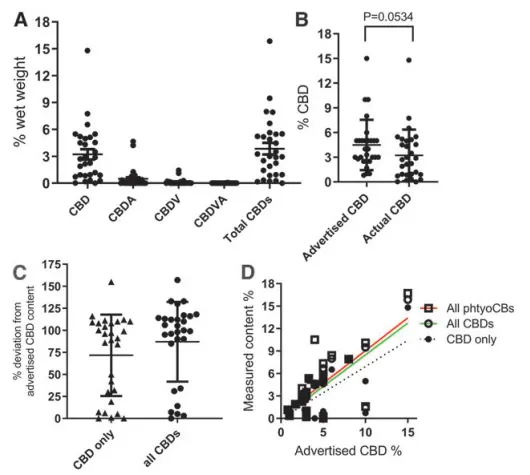
Figure 1: CBD measurements
Ben Grace lives in a supported living, where he shares with five other adults with learning disabilities. He has trained care staff helping him to, you know, put his meals together, prepare his hygiene, and medication adherence as per instructions. They consist of visual prompts, simpler communications, and limited routines in what they hope are efforts to calm and allow a sense of stability and independence. But Ben’s emotional removal from CBD oil and dietary requirements requires extra interventions, for example, cognitive behavioural support or mental health services (Liebling et al., 2022). After the discriminatory incident in the community, emotional reassurance and good, structured social opportunities have become part of his care plan.
Both cases reflect person-centered planning and how adaptations can be made to not only physical but also cognitive, emotional, and social needs. These principles and their underpinning support systems include personalised care, specialist educational and residential environments, and are underpinned by the principles of inclusion and dignity.
2.4 Statutory Provisions
Statutory provisions are key to ensuring that those with additional needs, like Rebecca Brown and Ben Grace, get the appropriate and coordinated support that they need. Key statutory bodies involved include the NHS, Social Services, and Housing Associations, all of which operate within the frameworks outlined in legislation such as the Care Act 2014 and the Children and Families Act 2014 (Goodair and Reeves, 2022).
The mainstay in delivering health assessment, medical interventions, and ongoing healthcare development is the NHS. The NHS has been instrumental for Rebecca in terms of management of spinal injury, as well as physiotherapy and paediatric follow-up. Ben was also diagnosed with type 2 diabetes, for which he had to deal with monitoring, medication, and dietary advice from the NHS. Involvement in community-based services, such as NHS pathways, may also be needed for accessing mental health services or specialist learning disability teams.
Social Services coordinate and deliver care packages along the lines of specific needs. Under the Care Act 2014, Section 9 requires that adults with care needs (which include Ben) should receive a formal needs assessment. Such statutory assessments both arrange Ben’s placement in a supported living facility and provide daily support thereafter. However, under the Children and Families Act 2014, Rebecca, being under 18, is supported through her school’s SENCO and local authority Education, Health and Care (EHC) planning (Roman et al., 2021).
Housing Associations have a duty under the Equality Act 2010 and related social housing policy to ensure accessible accommodation. Rebecca lives in her family’s current residence, which is not suitable for wheelchair use (Ocloo et al., 2021). Despite the fact that statutory housing support is there, to support people to move to an accessible ground floor property or adapt and remain in existing housing, these needs are not being met.
2.5 Impact Evaluation
| Individual | Positive Impacts | Remaining Gaps |
|---|---|---|
| Rebecca Brown | Access to specialist education, daily personal care provided, enhanced learning engagement | Inaccessible housing, social isolation due to negative community attitudes, and limited mobility at home |
| Ben Grace | Safe residential living, daily care support, and regular health monitoring for diabetes | Emotional withdrawal, refusal to follow a diabetic diet, and limited social inclusion post-discrimination |
Table 2: Evaluation of Impact of Support and Adaptations
Provision of tailored support and adaptations has worked differently in scale and consistency for Rebecca Brown and Ben Grace; there has been a measurable impact on their well-being and life chances. Rebecca has attended a specialist school, where in an inclusive, secure environment, one-to-one assistance from a teaching assistant and personal carer has enabled her to access education. The support she has received has been very helpful to her cognitive and emotional well-being.
Having trained carers who help with personal care, dietary needs, and help structure an appropriate medication routine is a great support for Ben Grace. Someone whose learning age is eight needs safety and routine, and his placement has given him both (Bracewell et al., 2021). However, during his time in the community, he was emotionally traumatized by an incident that stifled his comfortable community life, following his mother’s death.
In all these cases, statutory support has been used to provide services to meet the principles of wellbeing set out in the Care Act 2014. This results in positive outcomes in that Rebecca is gaining educational access, and Ben finds safe housing and continues to have his health monitored. Properly targeted and carried out, these interventions are very effective; however, community inclusion, emotional support, and environmental accessibility gaps make these interventions less effective in the long run (Roberts et al., 2022).
2.6 Disability as a Social Construct
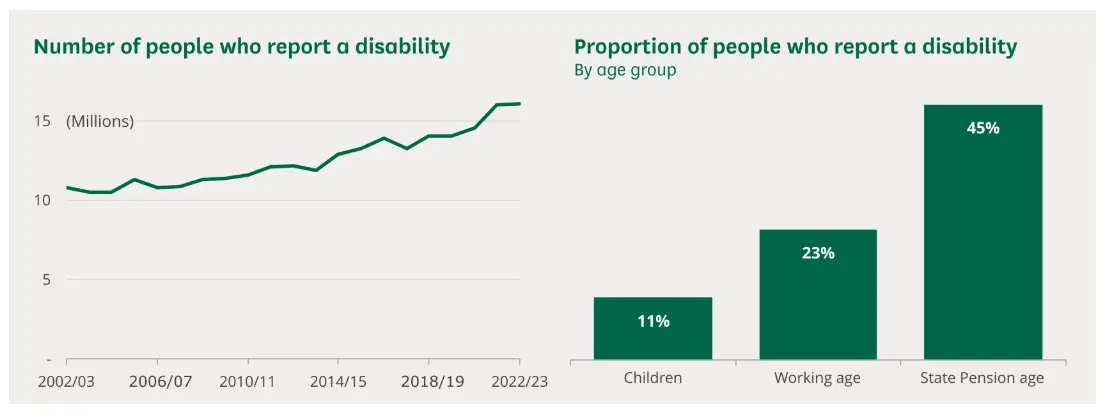
Figure 2: Outcomes for disabled people in the UK
Disability is seen as a social construct, it means attention is taken away from the person’s physical or cognitive disability and on to the limitations built into the society that hinder them from fully engaging in it. This model asserts that it is not the conditions themselves that disable people, but instead an environment that is unresponsive to those differences and needs.
This is demonstrated with Rebecca Brown’s case. Her spinal injury prevents her from being physically mobile, but it is the inaccessible housing of the family and the attitudes of neighbours that are more disabling (Stevenson et al., 2021). Rather than her impairment alone, these social and environmental constraints prevent her from having an autonomous and good quality of life. Preventable all of her problems with some adaptations, she's set up on the ground floor in a reliably accepting community.
Ben Grace is not only limited cognitively but is also limited by societal bias. He had a refusal of entry to a public funfair and has also further isolated himself through negative community interactions, leading to further withdrawal and a lack of confidence. Therefore, disability is at once more than a physical problem and also a social imposition (www.gov.uk). To be effective, support has to challenge these structural barriers and build environments of empowerment, not marginalisation, for people with additional needs.
2.7 Roles of Workers
Specialised intervention, emotional care and advocacy to those with additional needs are played by health and social care professionals. Their actions make Rebecca’s and Ben’s life good.
Care Workers (Ben’s Residential Staff):
Ben receives help from the care workers with all aspects of daily living, including hygiene, dressing, eating and administering medication. On top of supervision, they also give him emotional reassurance after incidents of discrimination or distress, and ensure that he sticks to his diabetic diet.
Teaching Assistants (TAs) for Rebecca:
Rebecca has the support to participate academically, with classroom tasks, and physically throughout the school day. On the other hand, they play an educational mediator role, adapting learning material for students and providing them with information about social interaction with peers (Bowman et al., 2023).
Health Professionals (Nurses, Dietitians, Therapists):
They evaluate, monitor, and manage individuals’ physical health. Physiotherapy and mobility assessments are offered to Rebecca, whereas Ben is offered diabetic monitoring and referrals to mental health.
Social Workers:
Social workers advocate for housing support (like for Rebecca), coordinate care packages, and take care of things like safeguarding.
Together, they make sure that everyone they reach receives personalised, consistent, compassionate support, individualised to each person’s condition and situation.
If you need clear guidance or support to complete your assignment effectively, Native Assignment Help provides structured, easy-to-understand academic assistance designed to simplify complex topics. Our experts deliver well-researched, plagiarism-free content that helps you build stronger understanding, improve your writing, and approach your work with confidence.
2.8 Conclusion
The report has shown how systems of support and statutory adaptations can make a tremendous difference to the quality of life and well-being of people who have additional needs. Using Rebecca Brown and Ben Grace case studies, it has been proven that personalised care, inclusive educational and domestic support, and tailored multi-agency involvement are critically important in tackling wholesome physical, emotional, and social issues. There are, however, persistent barriers such as inaccessible housing, social exclusion, and unmet emotional needs in the delivery of the service. The analysis also reiterated that disability is not simply a medical problem but a social one, reinforced by society's view of disability as well as environmental unavailability. Care workers, teaching assistants, health practitioners, social workers, and other professionals have the vital responsibilities to ensure personalised, compassionate, rights-based care. Continuous review at every stage, for all sections of society to become aware, and stronger statutory accountability are still what will make for truly transformative outcomes to be achieved in equitable dignity for all with additional needs.
References
- Avari, P., Lumb, A., Flanagan, D., Rayman, G., Misra, S., Dhatariya, K., and Choudhary, P. (2023). Continuous glucose monitoring within hospital: a scoping review and summary of guidelines from the Joint British Diabetes Societies for Inpatient Care. Journal of Diabetes Science and Technology, 17(3), 611-624. https://journals.sagepub.com/doi/pdf/10.1177/19322968221137338
- Bowman, K., Cadman, T., Goncalves Soares, A., Robinson, O., Hughes, A., Heron, J., Segal, A.B., Huerta, M.C. and Howe, L.D., 2023. Mediators of the association between childhood body mass index and educational attainment: Analysis of a UK prospective cohort study. Pediatric Obesity, 18(5), p.e13014.https://onlinelibrary.wiley.com/doi/pdf/10.1111/ijpo.13014
- Boyd, K., 2024. A 100 years of care: Lifelong Conditions but Lifelong Care.https://pure.ulster.ac.uk/files/213866338/100-years-of-care-Spreads-digital-landscape.pdf
- Bracewell, K., Larkins, C. and Stanley, N., 2021. Teenagers’ access to digital technologies and refuge life: balancing safety, risk and protectionism. Journal of gender-based violence, 5(3), pp.467-481.https://clok.uclan.ac.uk/37394/1/37394%20JGBV%20Computers%20and%20internet%20access%2029.01.21.pdf
- Children with special educational needs and disabilitieshttps. Accessed from: www.gov.uk/children-with-special-educational-needs/print [Accessed on 01/05/2025].
- Definition of disability under the Equality Act 2010. Accessd from: https://www.gov.uk/definition-of-disability-under-equality-act-2010 [Accessed on 01.05.2025].
- Dykxhoorn, J., Osborn, D., Fischer, L., Troy, D., Kirkbride, J.B. and Walters, K., (2024). Measuring social exclusion and its distribution in England. Social Psychiatry and Psychiatric Epidemiology, 59(1), pp.187-198. https://link.springer.com/content/pdf/10.1007/s00127-023-02489-x.pdf
- Equality Act 2010: guidance. Accessed from: https://www.gov.uk/guidance/equality-act-2010-guidance [Accessed on 01.05.2025].
- Garret, D.K. and Haward, A.M., 2024. Investigating the correlation between emotional intelligence and academic achievement: a multifaceted analysis in UK secondary schools. Journal of Advanced Research in Education, 3(1), pp.18-30.https://www.pioneerpublisher.com/jare/article/download/618/555
- Goodair, B. and Reeves, A., 2022. Outsourcing health-care services to the private sector and treatable mortality rates in England, 2013–20: an observational study of NHS privatisation. The Lancet Public Health, 7(7), pp.e638-e646.https://www.thelancet.com/journals/lanpub/article/PIIS2468-2667(22)00133-5/fulltext?prm=ep-app
- Gregson, C.L., Armstrong, D.J., Bowden, J., Cooper, C., Edwards, J., Gittoes, N.J., Harvey, N., Kanis, J., Leyland, S., Low, R. and McCloskey, E., (2022). UK clinical guideline for the prevention and treatment of osteoporosis. Archives of osteoporosis, 17(1), p.58. https://link.springer.com/content/pdf/10.1007/s11657-022-01061-5.pdf
- Heague, M., Dyson, J. and Cowdell, F., 2023. Barriers and facilitators to delivering everyday personal hygiene care in residential settings: A systematic review. Journal of Clinical Nursing, 32(13-14), pp.3102-3116.https://onlinelibrary.wiley.com/doi/pdf/10.1111/jocn.16413
- Hulme, M., Beauchamp, G., Clarke, L. and Hamilton, L., 2023. Collaboration in times of crisis: Leading UK schools in the early stages of a pandemic. Leadership and policy in schools, 22(1), pp.161-180.https://www.tandfonline.com/doi/pdf/10.1080/15700763.2021.1917623
- Hunter, J. (2022). Paediatric Trauma and Orthopaedic Surgery. NHS England: Getting It Right First Time (GIRFT). https://gettingitrightfirsttime.co.uk/wp-content/uploads/2025/01/Paed-TO-08-09e-compressed-FINAL-8.9.21.pdf
- Liebling, J.P., Clarkson, N.J., Gibbs, B.W., Yates, A.S. and O'Sullivan, S.E., 2022. An analysis of over-the-counter cannabidiol products in the United Kingdom. Cannabis and Cannabinoid Research, 7(2), pp.207-213.https://pmc.ncbi.nlm.nih.gov/articles/PMC9070743/pdf/can.2019.0078.pdf
- Martín-Rodríguez, A., Gostian-Ropotin, L.A., Beltrán-Velasco, A.I., Belando-Pedreño, N., Simón, J.A., López-Mora, C., Navarro-Jiménez, E., Tornero-Aguilera, J.F. and Clemente-Suárez, V.J., (2024). Sporting mind: the interplay of physical activity and psychological health. Sports, 12(1), p.37. https://www.mdpi.com/2075-4663/12/1/37/pdf
- Ocloo, J., Garfield, S., Franklin, B.D. and Dawson, S., 2021. Exploring the theory, barriers and enablers for patient and public involvement across health, social care and patient safety: a systematic review of reviews. Health research policy and systems, 19, pp.1-21.https://link.springer.com/content/pdf/10.1186/s12961-020-00644-3.pdf
- Roberts, L.F., Lounsbury, O., Awuzudike, V., Jennings, N. and Lawrance, E.L., 2022. Healthy environments: understanding perceptions of underrepresented communities in the United Kingdom. International Journal of Environmental Research and Public Health, 19(15), p.9643.https://www.mdpi.com/1660-4601/19/15/9643
- Roman-Urrestarazu, A., van Kessel, R., Allison, C., Matthews, F.E., Brayne, C. and Baron-Cohen, S., 2021. Association of race/ethnicity and social disadvantage with autism prevalence in 7 million school children in England. JAMA pediatrics, 175(6), pp.e210054-e210054.https://jamanetwork.com/journals/peds/articlepdf/2777821/jamapediatrics_romanurrestarazu_2021_oi_210003_1654707678.38564.pdf
- Snoek, F.J., Anarte‐Ortiz, M.T., Anderbro, T., Cyranka, K., Hendrieckx, C., Hermanns, N., Indelicato, L., McGuire, B.E., Mocan, A., Nefs, G. and Polonsky, W.H., (2024). Roles and competencies of the clinical psychologist in adult diabetes care—A consensus report. Diabetic Medicine, 41(5), p.e15312. https://onlinelibrary.wiley.com/doi/pdfdirect/10.1111/dme.15312
- Stevenson, C., Turner, R. and Costa, S., 2021. “Welcome to our neighbourhood”: Collective confidence in contact facilitates successful mixing in residential settings. Group Processes & Intergroup Relations, 24(8), pp.1448-1466.https://irep.ntu.ac.uk/id/eprint/40673/1/1364620_a1194_Stevenson.pdf
- Sufian, M.A., Varadarajan, J. and Niu, M., 2024. RETRACTED: Enhancing prediction and analysis of UK road traffic accident severity using AI: Integration of machine learning, econometric techniques, and time series forecasting in public health research. Heliyon, 10(7).https://www.cell.com/heliyon/pdf/S2405-8440(24)04578-X.pdf
- UK disability statistics: Prevalence and life experiences, Accessed from:https://commonslibrary.parliament.uk/research-briefings/cbp-9602/ [Accessed on 01.05.2025].
Go Through the Best and FREE Samples Written by Our Academic Experts!
Native Assignment Help. (2026). Retrieved from:
https://www.nativeassignmenthelp.co.uk/unit-12-supporting-individuals-with-additional-needs-assignment-sample-51983
Native Assignment Help, (2026),
https://www.nativeassignmenthelp.co.uk/unit-12-supporting-individuals-with-additional-needs-assignment-sample-51983
Native Assignment Help (2026) [Online]. Retrieved from:
https://www.nativeassignmenthelp.co.uk/unit-12-supporting-individuals-with-additional-needs-assignment-sample-51983
Native Assignment Help. (Native Assignment Help, 2026)
https://www.nativeassignmenthelp.co.uk/unit-12-supporting-individuals-with-additional-needs-assignment-sample-51983
- FreeDownload - 45 TimesBusiness Analytics Assignment Sample
Business Analytics Tools & Techniques for Effective Decision Making in...View or download
- FreeDownload - 40 TimesBM633 Strategic Agility Assignment Sample
Introduction: BM633 Strategic Agility Strategic agility is defined as an...View or download
- FreeDownload - 37 Times3 Reflections Using Borton's Model Of Reflection Assignment Sample
Introduction The current reflection will be guided by “Borton’s...View or download
- FreeDownload - 37 TimesLeadership & Service Improvement Assignment
Leadership and Service Improvement Assignment...View or download
- FreeDownload - 45 TimesSocial Psychology Assignment Sample
Social Psychology Introduction - Social Psychology 1.0 Key Areas...View or download
- FreeDownload - 43 TimesStrategic Planning Competitive Advantage Tourism TUI Group Sample
Introduction: Background of the study and Research problem or...View or download
-
100% Confidential
Your personal details and order information are kept completely private with our strict confidentiality policy.
-
On-Time Delivery
Receive your assignment exactly within the promised deadline—no delays, ever.
-
Native British Writers
Get your work crafted by highly-skilled native UK writers with strong academic expertise.
-
A+ Quality Assignments
We deliver top-notch, well-researched, and perfectly structured assignments to help you secure the highest grades.