
Introduction
According to this report, the feasibility of a ten-storey residential building for Bristol is considered in relation to key construction terminologies, the sustainability strategy in terms of achieving zero carbon status, and health and safety considerations. Due to the site’s clay and loam soil, high groundwater levels, and potential contamination, risk management and sustainable solutions have been developed and critically analysed. Pre-design studies for the Bristol site analyse important factors so development decisions can be made. For instance, site analysis, incorporating physical attributes, and site related as well as surrounding context, transport links, and zoning regulations. Potential challenges in terms of both environment and infrastructure are mentioned in the environmental and infrastructure assessments, while stakeholder analysis ensures local interests are on board. These studies play the role of reducing risks, contributing to the sustainability of the development project, and planning an integrated and feasible project.
Part 1
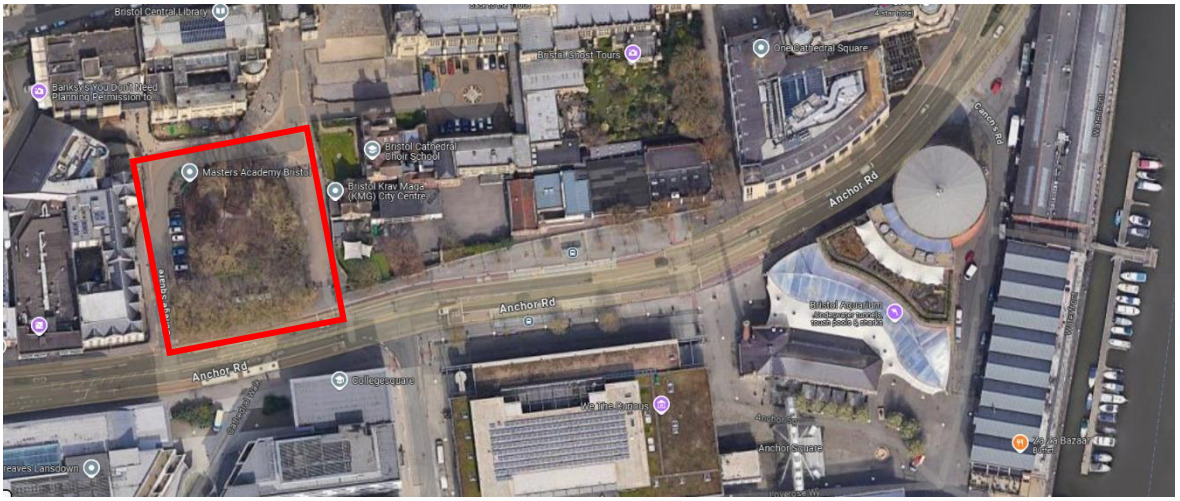
Figure 1: Site section in Bristol
Numerous assessments are made part of the pre-design studies for the available site in Bristol to get a necessary amount of information that can be used for informed decision-making. The physical characteristics of a site under analysis are examined comprising of dimensions, topography, existing vegetation and accessibility and conducted into a site analysis. Assessment of the surrounding context is made by identifying possible use within what surrounds Bristol Aquarium, Bristol Cathedral Choir School and other commercial or institutional buildings (Bao et al., 2022). Studies were carried out on the ease of movement of the site determined by its connection to Anchor Road and proximity to public transport.
Land use policies, heritage conservation and local authority requirement are reviewed to ensure the utility of zoning and planning regulations. Flood risks close to the harbour are assessed from an environmental and sustainability point of view, as are the soil quality and ecological considerations. The major utility availability is considered in an infrastructure analysis to decide whether the site is feasible for development. Local development goals are aligned and social acceptance is achieved through engagement of local authorities, businesses and the community, through a stakeholder analysis (Parekh, 2024). This work supports decisions on the design, reduces risk and helps to develop more sustainable and efficient development.
Functional Elements and Pre-design factors
For construction, the substructure and the superstructure matter greatly in that they help ensure stability, functionality, and durability. Each of them has primary and secondary elements as well as their respective functions.
Substructure Elements
The substructure refers to the portion of a building below ground level, primarily responsible for load transfer and stability.
- Primary Elements:
The design of this structure can only depend on soil conditions, the load-bearing capacity and the environmental factors involved. The common types are shallow for stable soils (strip and raft) and deep foundations (piles and piers) for weaker soils. An additional space, and a resistance to the pressure of the groundwater. It has to be waterproofed and ventilated (Li et al., 2022).
- Secondary Elements:
Damp Proof Course (DPC): Prevents entrance of moisture from the ground, and hence durability.
Basement structures use Retaining Walls as a means to stabilise lateral earth pressure and groundwater.
Superstructure Elements
The superstructure comprises a portion of a building which lies above ground and supports occupancy as well as external loads.
- Primary Elements:
Load Spreading: Columns and beams distribute loads conveniently to other columns/ beams. They select materials such as steel, concrete and timber based on thermal interaction, durability and importantly, environmental impact (Zhang et al., 2021).
Floors and Roofs: Provide support for live and dead loads; act as stability and insulation.
- Secondary Elements:
Internal and external walls serve as partitioning elements, as well as insulation and support for the structure.
Windows and Doors: Ensure ventilation, natural lighting, and accessibility.
Impact of site conditions
Stability, durability and safety are the foundation for the key to any structure. Major factors responsible for designing a foundation are site conditions viz. soil characteristics, topography, environmental factors, and external loads. These are the elements which decide whether a shallow or deep foundation is acceptable and help eliminate possible hazards during the construction duration.
Load-Bearing Capacity, and Soil Characteristics
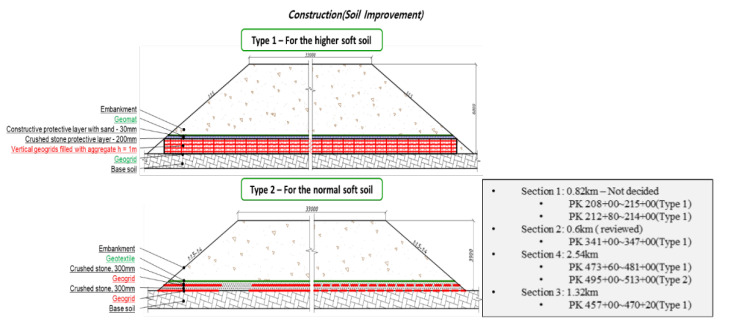
Figure 2: Soil evaluation
The type of soil composition that can be found determines if it’ll need to use a certain foundation. Dense sands and gravels are stable soils with a high load-bearing capacity, thus shallow foundations such as strips or rafts are acceptable. On the contrary, piles or piers are required to transfer loads to the more stable strata for such weak expansive soils as clay and loose silt (Zhussupbekov et al., 2022). Standard Penetration Tests (SPT), as well as Cone Penetration Tests (CPT), provide information about soil strength, density and permeability that may affect foundation decisions.
Drainage, and Groundwater Levels
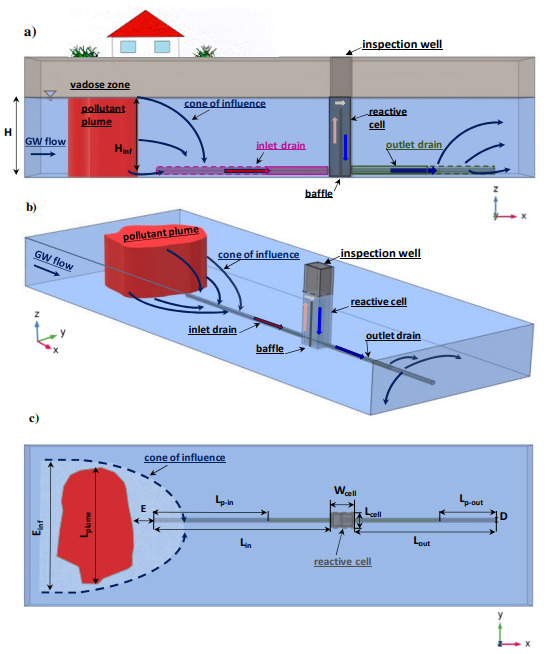
Figure 3: Drainage and Groundwater Determination
The groundwater level height is high, and it results in challenges like increasing hydrostatic pressure on the foundation causing structural instability, basement flooding, and moisture infiltration. The use of such waterproofing techniques as the Damp Proof Course (DPC) and drainage systems like the sump pumps and the gravel layer are important to counteract these risks (Bortone et al., 2021). Even in basement structures, retaining walls may be needed to withstand the lateral water pressure.
Slope Stability, and Topography
Special consideration is needed for the foundation as sloping sites can give rise to possible movement and failure of the foundation. The structure may need to be terraced or may require step foundations or reinforced retaining walls in order to add some stability. In cases of highly sloped terrain, deep foundations for additional anchoring can be employed like piles (Parekh, 2024). Also, geotechnical studies must be performed to assess the risk of landslides prior to finalizing the foundation design.
Climatic Factors and Environmental

Table 1: Thermal value (U-value) determination of various components
Foundation type is influenced by environmental conditions, e.g. seismic activity, frost depth and temperature fluctuations. Ground shaking has to be accommodated by foundation design in earthquake-prone areas with base isolators or the use of reinforced deep foundations. Frost heave can also cause problems if the foundations are shallow, requiring them to be laid below the frost line for added depth (Sameer et al., 2022). Regions with heavy rainfall may be required to combat water accumulation in such a way that the neighbouring foundation isn’t weakened.
Structural Load Considerations
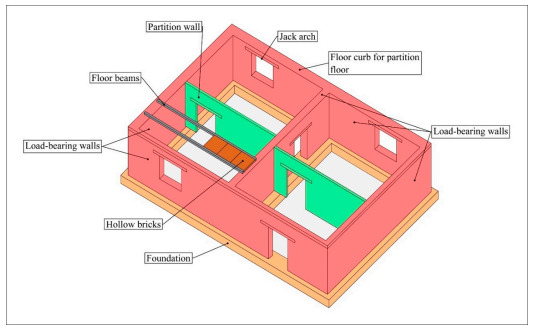
Figure 4: Load-bearing evaluation of the walls and floor
Depending on the expected weight, foundation requirements highly depend on the structure type – residential, commercial or industrial. Often, heavier buildings having multiple floors require reinforced concrete foundations or deep foundations to distribute the loads evenly, so as to avoid settling. Foundation design depends very greatly on the site conditions, especially with respect to stability, safety and durability (Bertino et al., 2021). Geotechnical assessments cover the whole spectrum and include comprehensive analysis to ensure that the foundation is designed to uphold environmental pressures, variations in soil and structural demands, to improve the habit of the building.
Part 2
Previous industrial or commercial use may have resulted in the previous land being contaminated, and it is a brownfield site. Before construction can occur, the hazards have to be removed and the site will be remediated to be sure of its environmental safety and to meet health and safety regulations. There are various methods to get rid of any type of contamination according to the degree and type.
Site Investigation and Risk Evaluation
First off, a detailed assessment of the site, and the soil and groundwater to determine what contaminants are in or on the site, such as heavy metals, hydrocarbons, asbestos etc. is done, and a risk assessment of the associated potential health and environmental hazards is completed to help select the appropriate remediation methods.
Contaminant Elimination and Treatment
Soil contamination: Removal and transportation of soil contaminated are physical and it goes to the licensed disposal sites. However, this method is effective and economical if there is heavy contamination, but it can be expensive and disruptive. Separating the contaminants from the soil particles through the use of water or chemical solutions to make the soil safe for reuse is referred to as soil washing (Bao et al., 2022). Break down organic contaminants such as petroleum hydrocarbons to reduce environmental impact; bioremediation.
- Stabilization: Fixes contaminants in cement or lime, so they’ll not leach out.
- Gas, and Groundwater Management: Pump and Treat systems (also referred to as chemical and biological extraction; extraction followed by treatment and safe release).
- Soil Vapor Extraction: Removes volatile contaminants from soil through vacuum extraction.
- Prevent Leaking of the Harmful Gas: Stop the leaking of the gas like methane.
- Sustainable Land Reuse: After remediation is finished, it may have to regrade, compact and keep an eye on the site environment in order to achieve long-term stability and to comply with the regulation.
Types of Substructure Works by Civil Engineers
Elementary to civil engineers, substructure works are related to vital construction activities however beneath the grass stage gives confidence to a building’s steadiness and load-bearing limit. Some of these include site investigation & ground preparation where the suitability of the foundation depends on soil testing and geotechnical analysis. Excavation and stabilising the soil take place to create a solid ground that can be used for construction. Shallow, strip, raft, pad or deep, pile or pier foundation construction transfers structural loads to the ground (Kuklina et al., 2021). Water infiltration especially in high groundwater areas is reduced by waterproofing and drainage systems. Retaining walls, structural reinforcements, and other basement construction give added space and support. Such as soil compaction or grouting the engineers do to enhance stability. The Installation of retaining walls helps in managing the soil pressure and avoiding erosion.
Evaluation of the Residential Project
The 10-floor residential building in Bristol in Bristol needs a careful integration of civil engineering structure, substructure, and superstructure in identifying stability and longevity.
- Substructure Considerations:
With Bristol’s clay and loam soil, high groundwater levels and possible contamination, deep pile foundations are to be considered to avoid settlement and stability. Things that work well in moisture control are waterproofing and proper drainage.
- Superstructure Support:
For a multi-story structure, the load-bearing capacity is given by a reinforced concrete or a steel framework. Load distribution to the floors and beams and external walls that are thermally insulated, additionally structural integrity should be provided (Wang et al., 2021).
- Civil Engineering Contributions:
Support for development is based on the infrastructure elements such as roads, drainage systems and flood mitigation measures.
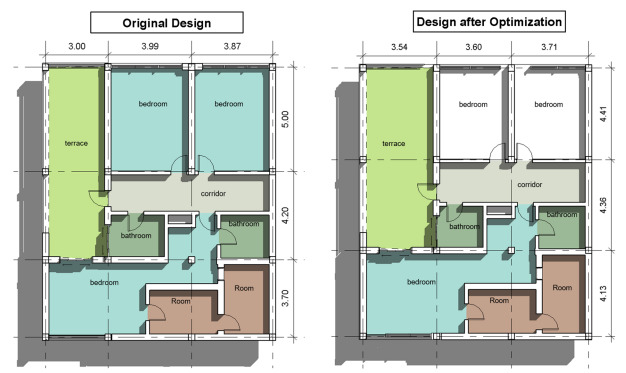
Figure 5: Cost-optimised building structure
Cost-effective brownfield remediation is a priority to investors who look forward to minimising investment costs, complying with the regulations and ensuring site safety. Both excavation and disposal are extremely costly; bioremediation and soil stabilization are cost-efficient techniques (Sherif et al., 2022). In situ, treatment is, hence, a more economical means of carrying out the treatment and can eliminate the need for much labour and transportation.
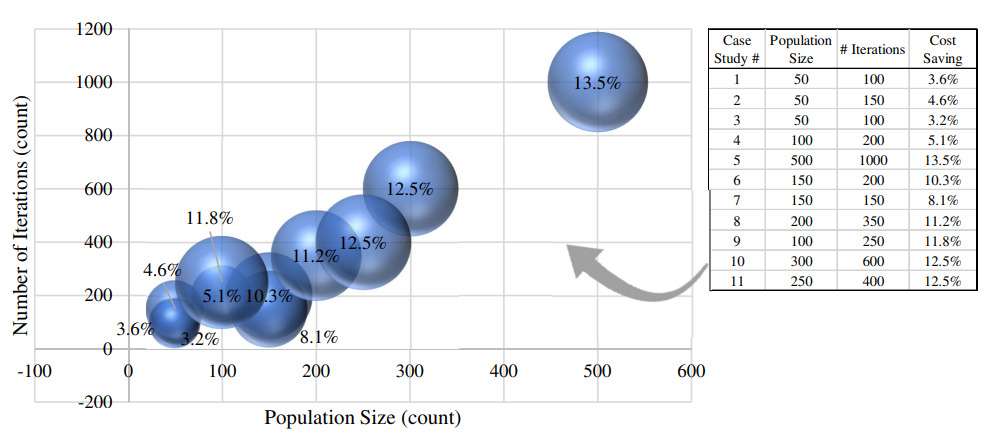
Figure 6: Cost-saving analysis and outcome
Targeted remediation is carried out with the aid of advanced risk assessments that will help identify where to stop and where not to spend excessively. Furthermore, brownfield redevelopment is encouraged with government incentives, tax credits, grants, and other incentives for reducing financial burdens (Sherif et al., 2022). High value of land can be achieved by combining smart remediation strategies with long-term sustainability planning which can increase investors’ returns, attract potential buyers or tenants, and achieve environmental and health risk mitigation efficiently.
Comparison
|
Structural frame types |
Weaknesses |
Strengths |
Best use |
|
Steel Frame |
Corrosion risk and high initial cost require fireproofing. |
High strength-to-weight ratio, fast construction, flexible design for large spans. |
High-rise buildings, commercial structures, bridges. |
|
Timber Frame |
Very susceptible to moisture, pests and fire; limited load-bearing capacity. |
Fast to assemble and lightweight, sustainable and cost-effective. |
Low-rise buildings, eco-friendly housing, temporary structures. |
|
Concrete Frame |
Heavy, slower construction, higher material costs. |
Strong, fire-resistant, durable, good sound insulation. |
Residential, commercial, and industrial buildings. |
|
Masonry Frame (Brick or Block) |
Its slow construction was limited to low-rise buildings and higher labour costs. |
Excellent thermal insulation, fire resistance, and durability. |
Small residential buildings, heritage structures. |
|
Composite Frame (Steel + Concrete) |
Higher construction complexity, increased cost. |
It combines strength, durability and flexibility and in all, it reduces material use. |
High-rise buildings, and industrial structures. |
Table 2: Comparison of various structural frames
Building Services
Key elements
Construction technology elements are crucial to building services, and they provide the means for furnishing a structure with functionality, comfort, efficiency and safety. Elements such as mechanical, electrical, plumbing (MEP) systems, fire protection, energy management and sustainability features are part of these. Heating, ventilation, and air conditioning (HVAC) system which governs indoor temperature, air quality, and humidity are considered under mechanical systems. They supply the power distribution, lighting and communication networks (Parekh, and Wright, 2024). Wires are properly wired; circuit protection is present and backup power solutions such as generators and solar panels are in place making everything reliable and safe.
The part of a building or a complex in which water supply, drainage and wastewater treatment lines, known as plumbing systems, are located. Building longevity and also environmental responsibility on the other hand is contributed with efficient piping materials, pressure regulation and finally sustainable water conservation technique. All fire protection such as smoke detectors, sprinklers, and fire-resistant materials help to inadvertently protect the occupants but also are required by fire codes regulation. Renewable energy sources, smart metering and passive strategies integration planning and implementation to the energy management and sustainability features are to minimize carbon footprints (Ninan et al., 2022). They also allow for control of lighting and HVAC as well as security from a remote location. The accessible and mobile transportation elevators and escalators are designed for high building safety and accessibility.
They provide acoustic insulation, thermal insulation and soundproofing to make the indoor well insulated and reduce heat loss, noise and energy wastage. CCTV, access control and alarm systems are security systems associated with the safety of occupants and the protection of assets. These building service elements have become the centre point of modern construction technology in which the ideas of predictive maintenance, and real-time monitoring use digital innovations such as the Internet of Things and Artificial Intelligence (Duarte, and Picchi, 2021). For these buildings, bringing these elements in the right way will help them to be more efficient, sustainable and relevant as they become under evolving industry standards, thereby improving their lifespan and user experience.
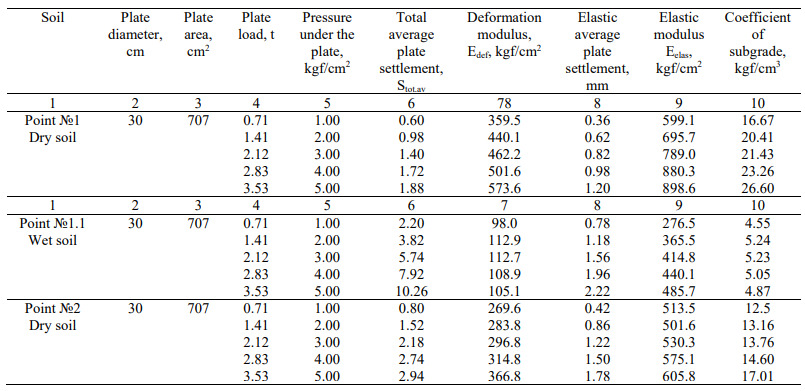
Table 3: Soil-testing outcome
Test results for the soil appear at multiple testing points under different environmental conditions according to the table. The measurements involve dry and wet soil assessment with a plate having dimensions of 30 cm in diameter and 707 cm² in surface area. During testing, researchers measured plate load, and pressure along with total settlement, deformation modulus, elastic settlement, elastic modulus and coefficient of subgrade. The measured data shows that wet soil produces increased settlement levels together with decreased modulus readings thus demonstrating inferior supporting powers compared to dry soil (Zhussupbekov et al., 202). The collected data enables professionals to determine soil strength characteristics fundamental for foundation planning. Testing points from different areas exhibit different soil strength characteristics because of their varying modulus and settlement measurements.
The essential operation of residential buildings depends on building services which provide safety measures as well as comfort functions. Electrical systems along with water supply systems must operate together with drainage and heating as well as ventilation and communication networks. Bristol residential buildings require well-planned primary service supply and distribution methods which enforce efficiency alongside sustainability as well as regulatory compliance (Vite et al., 2021). Primary service supply setups require builders to establish external utility network connections for their buildings. Electricity delivery to buildings happens through underground or overhead power lines with the support of substations that handle voltage adjustment. The management of water distribution falls under local utilities while buildings receive their water supply through underground pipelines. Buildings that have gas service count on an underground system with identical features to convey energy needed for heating and cooking purposes. Interested parties collect waste through belowground systems of drainage networks before processing it at treatment facilities.
Through proper distribution arrangements, primary services can efficiently reach every section of the building. The majority of electrical wiring passes through conduits in walls floors and ceilings to deliver power to all building devices including sockets lighting and appliances. Service ducts carry water pipes which supply water to kitchen areas and bathrooms along with other utility spaces. Indoor climate control is achieved through ductwork combined with radiators and underfloor heating solutions for heating and ventilation systems. The building achieves connectivity through internet and telephone networks which use structured cabling systems for integration (Xi, and Cao, 2022). The primary task of building elements in the superstructure consists of enabling essential services. Walls and floors include hidden compartments for wiring and pipework which both hide utilities and create better interior design outcomes. Building ventilation ducts electrical conduits and fire safety systems are installed inside suspended ceilings. Risers alongside shafts provide building systems which transport necessary utilities vertically between multiple floors to maintain operational connections in multi-story structures. Solar panels together with rainwater collection systems operate from the roof which supports sustainability initiatives.
Primary service placement plays a leading role in shaping the final design of residential buildings in Bristol. The incorporation of service routes in space planning needs to happen without affecting structural stability or design beauty. Simplifying plumbing systems becomes more efficient when kitchens and bathroom's proximity to each other decreases cost and installation effort. Fire safety regulations affect how builders arrange electrical wiring systems and ventilation equipment which ensures proper regulatory compliance (Regona et al., 2022). Remote maintenance will be improved by carefully planned service networks which also extend building lifespans.
Conclusion
The proposed 10-storey residential project in Bristol contains opportunities and challenges. They can also play towards achieving zero carbon goals through sustainable design strategies and health and safety measures that will mitigate site risks. Project feasibility, environmental responsibility and long-term structural integrity are guaranteed if the construction techniques are innovative and risk management is done properly if the planning is careful. The designing and developing Bristol residential buildings depend heavily on comprehensive pre-design work combined with proper structure selection and optimized service system organization. The conditions of each site determine the needed foundations which structural frames maintain stability of primary and secondary building components. The effective distribution of main services through the network supports functional operations as well as safety measures and sustainable development goals. Building plans that receive proper attention will satisfy legislation requirements through effective management of costs and achieve lasting structural integrity. The residential developments in Bristol succeed in achieving high-quality standards alongside comfort and environmental responsibility through strategic management of structural integrity service efficiency and sustainability factors.
Native Assignment Help offers expert Assignment Help to support students with detailed construction, civil engineering, and feasibility analysis reports just like this one. With professionally researched content, accurate technical writing, and structured academic support, students can achieve higher grades with confidence. Trust Native Assignment Help for precise, reliable, and high-quality academic solutions tailored to your requirements.
References
Bao, Z., Laovisutthichai, V., Tan, T., Wang, Q. and Lu, W., 2022. Design for manufacture and assembly (DfMA) enablers for offsite interior design and construction. Building Research & Information, 50(3), pp.325-338.
Bertino, G., Kisser, J., Zeilinger, J., Langergraber, G., Fischer, T. and Österreicher, D., 2021. Fundamentals of building deconstruction as a circular economy strategy for the reuse of construction materials. Applied sciences, 11(3), p.939.
Bortone, I., Santonastaso, G., Erto, A., Chianese, S., Di Nardo, A. and Musmarra, D., 2021. An innovative in-situ DRAINage system for advanced groundwater reactive TREATment (in-DRAIN-TREAT). Chemosphere, 270, p.129412.
Duarte, C.M.D.M. and Picchi, F.A., 2021. Key elements to enable systemic innovation in construction firms. Ambiente Construído, 21(4), pp.385-405.
Kuklina, M.V., Rogov, V.Y., Erdinieva, S.N. and Urazov, I.S., 2021, April. Innovation in the construction industry. In IOP Conference Series: Earth and Environmental Science (Vol. 751, No. 1, p. 012101). IOP Publishing.
Li, L., Wang, L. and Zhang, X., 2022. Technology innovation for sustainability in the building construction industry: An analysis of patents from the Yangtze River Delta, China. Buildings, 12(12), p.2205.
Ninan, J., Sergeeva, N. and Winch, G., 2022. Narrative shapes innovation: a study on multiple innovations in the UK construction industry. Construction management and economics, 40(11-12), pp.884-902.
Parekh, R. and Wright, S., 2024. Sustainable knowledge management: Driving green technology innovation and long-term performance in construction firms. International Journal of Science and Research Archive, 13(1), pp.933-94.
Parekh, R., 2024. Comparison Analysis of Construction Costs according to LEED and non-LEED Certified Educational Buildings. Available at SSRN 4924703.
Regona, M., Yigitcanlar, T., Xia, B. and Li, R.Y.M., 2022. Opportunities and adoption challenges of AI in the construction industry: A PRISMA review. Journal of open innovation: technology, market, and complexity, 8(1), p.45.
Sameer, H., Behem, G., Mostert, C. and Bringezu, S., 2022. Comparative analysis of resource and climate footprints for different heating systems in building information modeling. Buildings, 12(11), p.1824.
Sherif, M., Nassar, K., Hosny, O., Safar, S. and Abotaleb, I., 2022. Automated BIM-based structural design and cost optimization model for reinforced concrete buildings. Scientific Reports, 12(1), p.21616.
Vite, C., Horvath, A.S., Neff, G. and Møller, N.L.H., 2021, July. Bringing human-centredness to technologies for buildings: An agenda for linking new types of data to the challenge of sustainability. In Proceedings of the 14th Biannual Conference of the Italian SIGCHI Chapter (pp. 1-8).
Wang, Q.E., Lai, W., Ding, M. and Qiu, Q., 2021. Research on cooperative behavior of green technology innovation in construction enterprises based on evolutionary game. Buildings, 12(1), p.19.
Xi, C. and Cao, S.J., 2022. Challenges and future development paths of low carbon building design: a review. Buildings, 12(2), p.163.
Zhang, J., Ouyang, Y., Ballesteros-Pérez, P., Li, H., Philbin, S.P., Li, Z. and Skitmore, M., 2021. Understanding the impact of environmental regulations on green technology innovation efficiency in the construction industry. Sustainable Cities and Society, 65, p.102647.
Zhussupbekov, A., Zhankina, A., Tulebekova, A., Yessentayev, A. and Zhumadilov, I., 2022. Features of the bearing capacity estimation of the collapsing soil bases. GEOMATE Journal, 22(92), pp.32-40.
Go Through the Best and FREE Samples Written by Our Academic Experts!
Native Assignment Help. (2026). Retrieved from:
https://www.nativeassignmenthelp.co.uk/unit-2-construction-technology-assignment-46150
Native Assignment Help, (2026),
https://www.nativeassignmenthelp.co.uk/unit-2-construction-technology-assignment-46150
Native Assignment Help (2026) [Online]. Retrieved from:
https://www.nativeassignmenthelp.co.uk/unit-2-construction-technology-assignment-46150
Native Assignment Help. (Native Assignment Help, 2026)
https://www.nativeassignmenthelp.co.uk/unit-2-construction-technology-assignment-46150
- FreeDownload - 37 TimesSHN5023 Personalised Care and Social Prescribing Assignment
SHN:5023 Personalised Care and Social Prescribing INTRODUCTION Social...View or download
- FreeDownload - 43 TimesTourist Typologies and Destination Choices: London and Bali
Introduction Tourism refers to the act and procedure of spending time far from...View or download
- FreeDownload - 39 TimesBusiness Report Assignment Sample
Introduction: Business Report Assignment Sample The world of increasing...View or download
- FreeDownload - 41 TimesBoohoo Group plc: Supply Chain & Logistics Management Assignment Sample
Boohoo Group plc: Supply Chain Logistics Management Introduction - UK...View or download
- FreeDownload - 43 TimesCritical Reflection For Adult Care Assignment Sample
Critical Reflection For Adult Care Introduction...View or download
- FreeDownload - 35 TimesUnit 3 Mental Capacity and Restrictive Practice in Care Settings A/650/2300 Assignment Sample
Introduction The Unit 3 Mental Capacity and Restrictive Practice in Care...View or download
-
100% Confidential
Your personal details and order information are kept completely private with our strict confidentiality policy.
-
On-Time Delivery
Receive your assignment exactly within the promised deadline—no delays, ever.
-
Native British Writers
Get your work crafted by highly-skilled native UK writers with strong academic expertise.
-
A+ Quality Assignments
We deliver top-notch, well-researched, and perfectly structured assignments to help you secure the highest grades.